
How to Remove Oil Stains from Concrete

How to Remove Oil Stains from Concrete
Oil stains on concrete are removed by absorbing the excess oil with an absorbent agent like kitty litter or baking soda, then applying a concrete-specific degreaser containing surfactants to emulsify the remaining hydrocarbon contamination. Concrete’s porous structure with capillary channels ranging from 2–50 microns allows motor oil to penetrate deeply — making immediate treatment critical for successful removal. The non-polar oil molecules bond to concrete’s alkaline mineral surface through molecular adhesion, requiring both adsorption and chemical emulsification for complete removal.
What Removes Oil Stains from Concrete — The Primary Solution
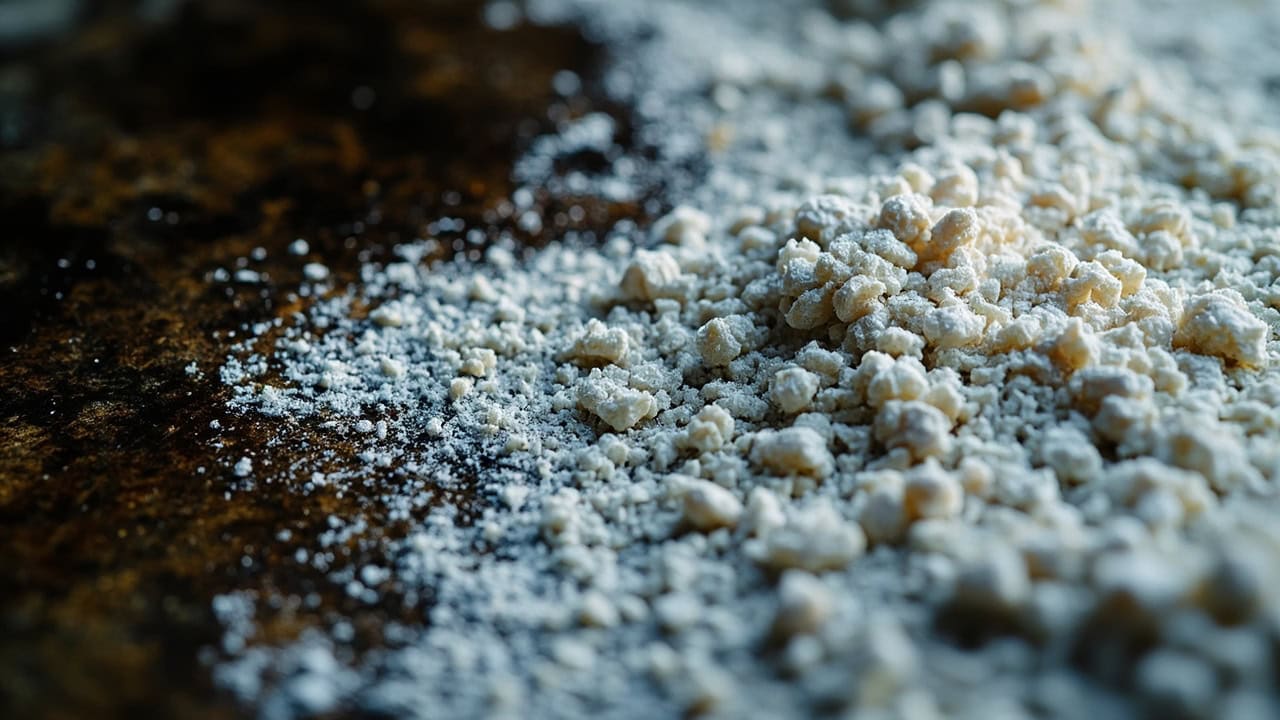
Concrete oil stain removal requires a two-phase approach: adsorption followed by chemical emulsification. The most effective absorbent agents are kitty litter (clay-based), baking soda, or commercial oil-dry compounds — all of which work through adsorption, pulling oil from the surface via capillary action without pushing it deeper into the concrete’s porous matrix. After adsorption, a concrete degreaser with surfactant-based formulation breaks down remaining hydrocarbons at the molecular level.
The pH of the degreaser matters significantly: alkaline cleaners operating at pH 9–11 saponify fatty oils more effectively than neutral cleaners. This saponification reaction converts the fatty oil contaminants into soap-like compounds that dissolve in water and rinse away. Professional-grade options include trisodium phosphate (TSP) substitutes or specifically formulated concrete degreasers containing blended surfactant systems designed to penetrate concrete’s alkaline mineral surface. Surfactants reduce the surface tension of water, allowing it to penetrate and lift oil molecules bonded to the concrete substrate through van der Waals forces.
Why Oil Bonds to Concrete — The Staining Mechanism
Concrete is a porous material with capillary pores ranging from 2–50 microns in diameter — small enough to create significant capillary action that draws liquids deep into the material. Motor oil is non-polar and hydrophobic, creating strong molecular adhesion to concrete’s alkaline mineral surface through both physical and chemical bonding mechanisms. The hydration process in concrete forms calcium-silicate-hydrate (C-S-H) crystals that create an interconnected pore structure throughout the material, providing ideal pathways for oil penetration.
Oil penetration depth depends on the oil’s viscosity and the concrete’s porosity — garage floor concrete, which is typically poured at lower strength for cost efficiency, is especially porous. Older, weathered concrete with micro-cracks absorbs oil more readily than sealed or newer concrete because the cracks provide direct pathways to deeper capillary networks. The bonding is both physical — capillary action drawing oil into pores — and chemical — van der Waals forces creating molecular adhesion between the non-polar oil and concrete’s alkaline mineral matrix. As oil sits on concrete, it undergoes polymerization, where the hydrocarbon molecules cross-link and harden, progressively strengthening the bond over time.
What NOT to Use on Concrete for Oil Stain Removal
Several common approaches actively worsen oil stains on concrete and should be avoided entirely. Acidic cleaners — including vinegar and lemon juice-based solutions — do not emulsify oils and can actually open up more pores in the concrete surface, making staining worse while potentially damaging the surface integrity of older concrete. Bleach or sodium hypochlorite alone oxidizes surface oils but does not remove the hydrocarbon residue; it merely bleaches the discoloration without addressing the underlying contamination, and can create hazardous chemical reactions with oil residues.
High-pressure washing alone spreads oil across the surface and pushes it deeper into concrete capillaries, often expanding the stained area rather than removing it. Petroleum-based solvents like WD-40 dissolve oil temporarily but function as carriers that spread the contamination across a wider surface area and push hydrocarbons deeper into the concrete’s pore structure. Metal wire brushes or steel wool create iron stains from embedded metal particles that are far more difficult to remove than the original oil discoloration — and can scratch and damage the concrete surface, creating additional bonding sites for future contaminants.
Step-by-Step Oil Stain Removal from Concrete
- Absorb surface oil immediately — Cover the fresh stain with a thick layer of kitty litter, baking soda, or oil-dry compound. Do not rub — this pushes oil deeper into the capillary pores. Let it sit for 24 hours for fresh stains, or 48–72 hours for set-in stains. The absorbent material draws oil up through adsorption without compressing it further into the concrete matrix.
- Sweep and inspect — Remove the absorbent material with a stiff-bristled broom. Evaluate stain darkness — if still visible, the oil has penetrated deeper into the 2–50 micron capillary network and requires degreaser treatment. Fresh stains that remain light after adsorption may respond to a single degreaser application.
- Apply concrete degreaser — Use a pump sprayer or pour the degreaser directly onto the stain. Choose a surfactant-based or alkaline degreaser (pH 9–11) specifically formulated for concrete. Apply liberally to cover the entire stain with a 1/4-inch visible layer, ensuring full saturation of the contaminated zone.
- Scrub with a stiff brush — Work the degreaser into the stain using a stiff-bristled brush or deck brush using circular motions. For large areas, use a floor scrubber with an aggressive pad. Allow 15–30 minutes of dwell time — do not let it dry completely, as the surfactant activation requires the degreaser to remain wet to emulsify hydrocarbon layers.
- Rinse thoroughly — Use a garden hose with a high-volume nozzle or a wet vacuum to rinse completely, working from the outside of the stain inward to prevent spreading. For garage floors connected to drains, ensure proper disposal of contaminated rinse water per local regulations — oil-contaminated wash water is regulated by most municipal sewer authorities.
- Assess and repeat if necessary — Stubborn set-in stains that have undergone polymerization over 7+ days may require a second application of degreaser. For extremely old stains that have fully cured into the concrete’s capillary structure, consider a poultice treatment or professional concrete cleaning using truck-mounted extraction equipment.
- Seal the concrete (optional but recommended) — After the stain is fully removed and the surface is completely dry, apply a concrete sealer to prevent future oil penetration. Penetrating silane/siloxane sealers provide the best oil resistance by chemically bonding within the concrete’s pore structure rather than forming a surface film.
How to Prevent Future Oil Stains on Concrete
Prevention is significantly more cost-effective than remediation when it comes to oil stains on concrete. Apply a penetrating concrete sealer to garage floors, driveways, and workshop slabs — reapply every 2–3 years to maintain the oil-resistant barrier. Penetrating silane/siloxane sealers work by chemically reacting with the concrete’s calcium silicate hydrate matrix to create a hydrophobic barrier that prevents oil from bonding to the alkaline mineral surface while still allowing the concrete to breathe and release moisture vapor.
Place drip pans or oil-absorbent mats under vehicles and equipment to catch leaks before they reach the concrete surface. Clean up oil spills immediately using kitty litter as a temporary absorbent — the faster the response, the less opportunity for polymerization and capillary absorption. For workshop concrete with heavy oil exposure, consider epoxy floor coating which provides a completely non-porous barrier that resists both oil penetration and the emulsification processes that can break down surface coatings. For high-spill zones, interlocking oil-resistant floor mats provide both protection and easy replacement.
Common Mistakes When Removing Oil Stains from Concrete
Waiting too long to treat a fresh stain is the most common failure — oil begins polymerizing within 24–48 hours and by day 7 the stain is considered fully set, requiring professional-grade remediation. Using too little degreaser is another frequent error — the stain must be fully saturated to ensure the surfactant molecules can encapsulate all hydrocarbon layers. Not allowing sufficient dwell time undermines the cleaning process; 15–30 minutes is required for surfactant activation and saponification reactions at alkaline pH levels.
Rinsing with excessive pressure — particularly pressures above 3000 PSI — damages concrete by forcing oil residue deeper into the capillary structure and eroding the surface. Skipping the sealing step after successful removal leaves the concrete vulnerable: untreated concrete will reabsorb oil from future spills because the alkaline mineral surface and pore structure remain exposed and ready to bond with new hydrocarbon contamination. Always complete the remediation process with a penetrating sealer application to protect your investment.
Frequently Asked Questions
Q: Does WD-40 remove oil stains from concrete?
A: No, WD-40 does not remove oil stains from concrete — it is a petroleum-based solvent that temporarily dissolves oil but spreads the contamination and often worsens the stain by pushing it deeper into concrete capillaries. The solvent action lifts the oil from the surface but then carries it laterally across the concrete, expanding the stained area and driving hydrocarbons deeper into the 2–50 micron pore structure where they bond more strongly.
Q: How long does it take for oil to stain concrete permanently?
A: Fresh motor oil begins bonding to concrete within 24–48 hours through polymerization and capillary absorption. The non-polar oil molecules are drawn into concrete’s capillary pores by capillary action while simultaneously cross-linking polymer chains that strengthen the molecular bond. After 7 days, the stain is considered set and requires professional-grade degreasers at pH 9–11, extended dwell time, or poultice treatments for removal.
Q: Can I use kitty litter to remove old oil stains from concrete?
A: Kitty litter is effective primarily for fresh oil stains — within the first 24–48 hours — to absorb surface oil before it penetrates. For old, set-in stains that have polymerized beyond 7 days, kitty litter alone will not remove the stain; it must be combined with a concrete degreaser containing surfactants and mechanical scrubbing to break the hydrocarbon bond at the molecular level.
Q: Should I pressure wash concrete after applying degreaser?
A: Pressure washing can be used but requires caution — use a fan-tip nozzle at 1500–2000 PSI and hold the wand at least 12 inches from the surface. This pressure range provides effective rinse action without damaging the concrete surface or forcing oil deeper into capillaries. Avoid pressures above 3000 PSI, which can etch the surface and drive contamination deeper. For garage floors, a garden hose with a high-volume nozzle is often sufficient and safer than pressure washing on porous concrete.
References
- Portland Cement Association. (2024). Concrete Basics: Understanding Concrete’s Composition and Properties. Portland Cement Association. https://www.cement.org
- NIST Webbook. (2024). Thermodynamic Properties of Motor Oil Components and Polymerization Reactions. National Institute of Standards and Technology. https://webbook.nist.gov
- U.S. Environmental Protection Agency. (2024). Oil Spill Prevention and Response Guidelines. EPA. https://www.epa.gov/emergency-response/oil-spill-prevention-and-response-beaches
- American Concrete Institute. (2023). ACI 318: Building Code Requirements for Structural Concrete. ACI. https://www.concrete.org


