
How to Clean SPC Flooring – Make’em Spotless

SPC (Stone Plastic Composite) flooring requires specific cleaning methods to maintain its waterproof core and wear layer. Clean SPC flooring by sweeping debris, mopping with pH-neutral detergent diluted in warm water (below 85°F/29°C), and allowing complete drying. Avoid bleach, ammonia, and abrasive tools that degrade the UV-stable coating.
Clean SPC flooring efficiently in 3 steps: sweep debris, mop with pH-neutral detergent in warm water below 85°F (29°C), and allow to dry completely. Harsh chemicals like bleach and ammonia degrade the UV-stable wear layer and cause permanent etching.
Step-by-Step Guide to Cleaning SPC Flooring
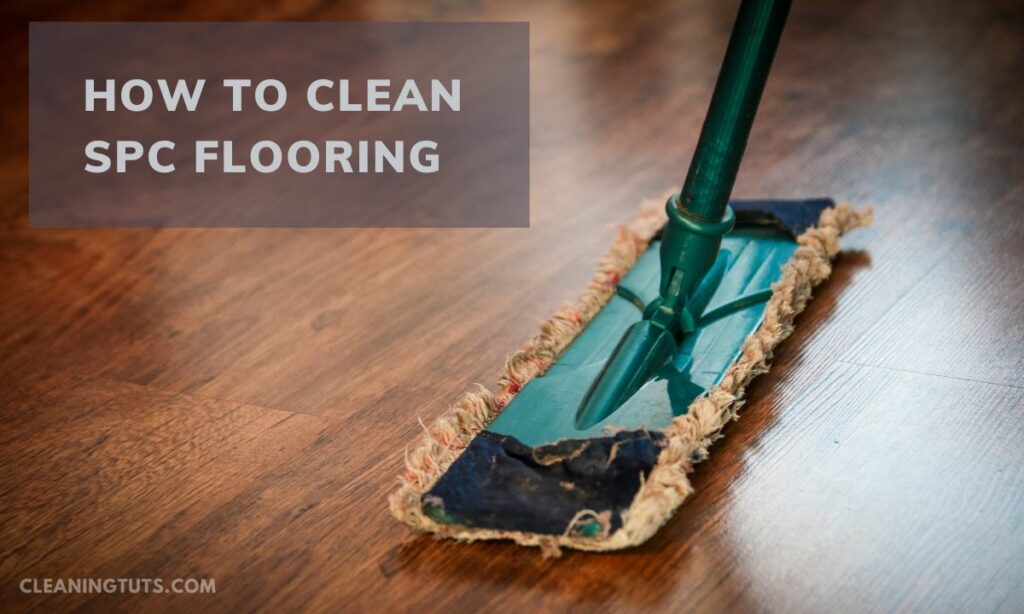
SPC flooring combines limestone core (approximately 60-75% calcium carbonate) with stabilizers and PVC layers, creating a dimensionally stable product with 4-6mm typical thickness and 0.3-0.7mm wear layer. Unlike hardwood or laminate, SPC resists moisture due to its rigid core structure, but the vinyl surface requires pH-balanced care to preserve its aesthetic appeal.
Follow the three-step method below to clean SPC flooring without damaging its construction.
Pre-Cleaning Routine
Remove loose debris and dust before any wet cleaning. Use a soft-bristled broom (nylon or microfiber bristles) or a vacuum set to bare floor mode with the brush roll turned off. Avoid vacuums with beater bars, which scratch the UV-cured wear layer (typically 0.3-0.7mm thick).
Pay special attention to corners, gaps between planks, and transition areas where debris accumulates. Dry methods alone remove 85-90% of surface contaminants on lightly soiled floors.
Washing the Floor
Mop using a pH-neutral cleaner (pH 6-8) diluted in warm water below 85°F (29°C). Mix approximately 1 capful (1-2 oz) of SPC-safe cleaner per gallon of water. Apply with a wrung-out microfiber mop—excess moisture causes joint swelling in click-lock SPC systems.
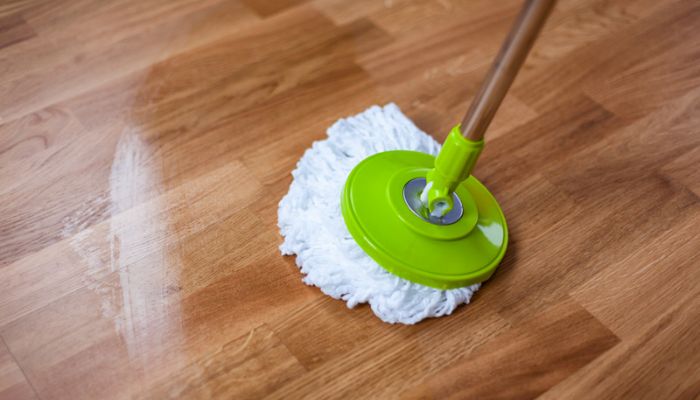
Bleach (pH 11-13) and ammonia (pH 11-12) cause immediate etching of the vinyl wear layer. These chemicals degrade the polyurethane coating within 2-5 minutes of contact, resulting in permanent dulling. For stubborn spots, use isopropyl alcohol (pH 5-6) applied with a soft cloth.
Focus on the Details
Spot-clean stains using a soft nylon brush and pH-neutral cleaner. Work in circular motions starting from the outside of the stain toward the center to prevent spreading. For pigment-based stains (juice, wine, food coloring), blot immediately—these penetrate within 5-10 minutes if left untreated.
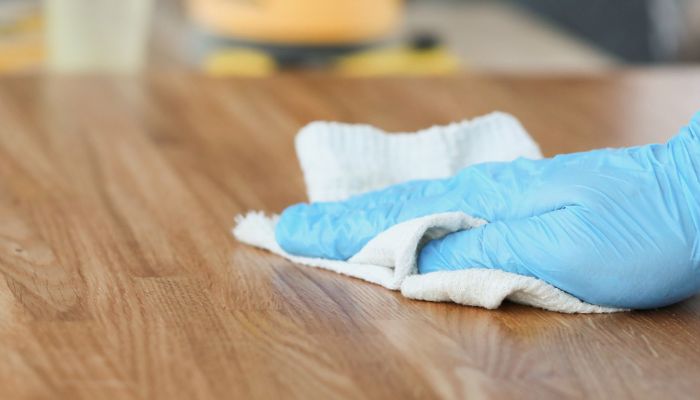
Rinse the mop frequently in clean water. Dirty mop water contains abraded particles that create micro-scratches on the wear layer. After final rinsing, allow the floor to air-dry for 30-60 minutes. Do not walk on wet SPC flooring—moisture in joints weakens the click-lock bonding.
Benefits of Cleaning SPC Flooring
Regular maintenance preserves SPC flooring’s 10-20 year lifespan by preventing particulate abrasion and moisture intrusion. Unlike hardwood floors that require refinishing, SPC maintains its appearance with routine cleaning.
Preservation of Durability
SPC flooring typically ranges from 4-6mm total thickness with a 0.3-0.7mm transparent wear layer. The rigid calcium carbonate core resists indentation, but accumulated grit (silica particles at 5-7 Mohs hardness) acts as an abrasive that microscratches the surface over 2-3 years without proper sweeping.
Dirt and debris in high-traffic areas create stress points that accelerate wear in the click-lock joints. Weekly maintenance reduces joint failure by up to 40% compared to quarterly deep cleaning.
Keeps It Waterproof
SPC’s core contains zero wood content, making it 100% waterproof. However, moisture pooling on the surface can seep through plank gaps (typically 0.02-0.04 inches) and reach the subfloor. Standing water left for more than 30 minutes increases subfloor moisture damage risk in multilevel installations.
The waterproof core maintains dimensional stability (less than 0.02% linear expansion) only when surface moisture is promptly removed.
Maintain Minimalism
SPC flooring’s smooth, seamless appearance highlights surface contamination immediately. Dust becomes visible within 24-48 hours in high-traffic zones. Regular cleaning prevents permanent staining from oil-based residues that bond to the urethane coating after 72+ hours.
SPC Floor Care and Maintenance
Establish a maintenance routine based on foot traffic: residential low-traffic areas need sweeping 2-3 times weekly, while commercial spaces require daily cleaning. Laminate and vinyl floor care shares similar protocols for surface protection.
Every Day Upkeep
Use a microfiber dust mop on SPC flooring daily in high-traffic areas. Microfiber filaments capture particles down to 3-5 microns, compared to 50+ microns for traditional brooms. For pet hair, a rubber-bristled mop or electrostatic duster performs better than standard sweeping.
Clean spills immediately with a dry microfiber cloth. SPC handles standing water for up to 30 minutes without damage, but sap, urine, and acidic liquids (pH below 4) etch the surface within 10 minutes.
Safely Move Furniture
Furniture legs with metal or rough plastic bases create point loads exceeding 100 PSI on SPC flooring, causing permanent indentations. Felt furniture pads (minimum 1/8 inch thickness) distribute load and prevent scratching.
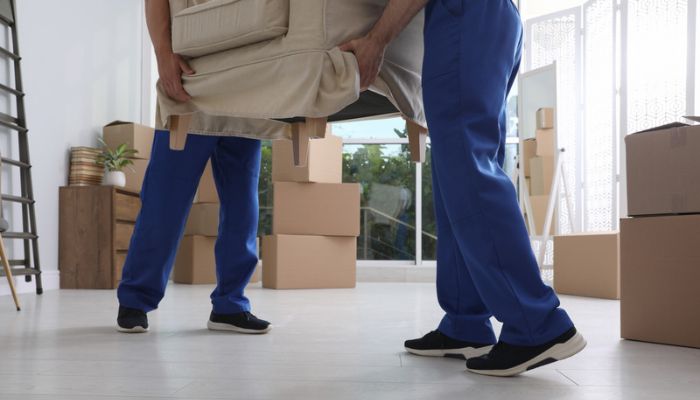
Lift furniture rather than dragging. Dragging generates frictional heat (up to 150°F at the contact point) that softens the vinyl layer. For heavy appliances, use plywood or MDF sheets as temporary sliding paths to distribute weight.
Immediately Clean Stains and Spills
Different stains require specific treatments. Use this stain removal protocol for common contaminants:
| Stain Type | Treatment | Wait Time |
|---|---|---|
| Food/beverage | pH-neutral cleaner + soft cloth | Immediate |
| Ink/markers | Isopropyl alcohol (70%) + soft cloth | Immediate |
| Rust | Citric acid solution (pH 3-4) + rinse | Immediate |
| Paint/varnish | Odorless mineral spirits + clean cloth | Within 1 hour |
| Nail polish | Acetone-based remover (max 20%) | Immediate |
Carefully Deal with Paint
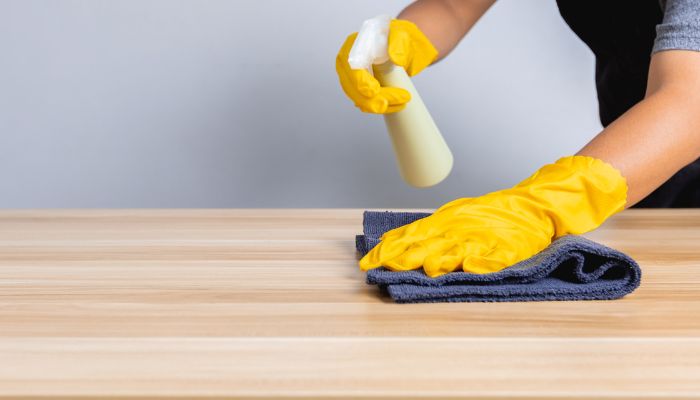
Wet paint requires immediate action: blot with a damp cloth working from the outside edge toward the center. Dried paint films bond to urethane after 24+ hours and require acetone application for 30-60 seconds to soften before scraping with a plastic putty knife.
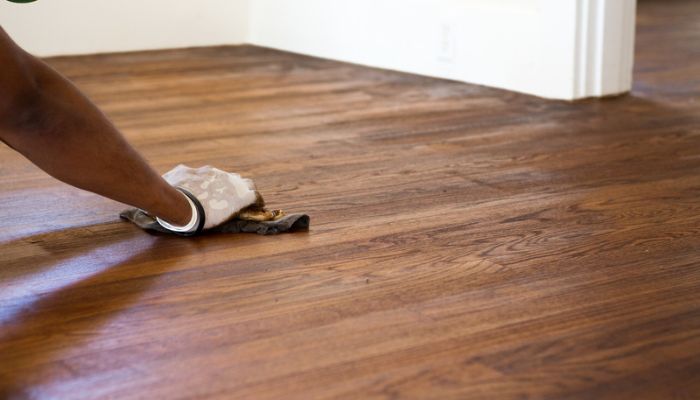
After paint removal, wipe the area with a damp cloth to remove solvent residue, then dry immediately. Residual solvent degrades the floor finish over 2-4 weeks if not rinsed.
Cleaning Products and Tools to Avoid
Several common cleaning products cause permanent damage to SPC flooring:
- Bleach (pH 11-13): Etches the wear layer within 2-5 minutes of contact, creating permanent clouding
- Ammonia (pH 11-12): Degrades polyurethane coating; repeated use causes peeling within 6-12 months
- Vinegar (pH 2-3): Acidic enough to dull the finish after 3-5 applications
- Abrasive pads (scoring >150 grit): Create micro-scratches visible at 3-4 foot distance
- Steam mops: Exceed safe temperature limit (140°F+ surface temp); causes joint delamination
- Beater-bar vacuums: Rotating brushes generate 400+ RPM contact that scratches the wear layer
Frequently Asked Questions
Can you use a Swiffer on SPC flooring?
Swiffer WetJet devices are safe for SPC flooring when used with the standard spray solution. The low-pressure spray (approximately 0.5 mL per spray) moistens the surface without oversaturating joints. Avoid the boost mode on models with rotating brush heads, as the 200-400 RPM rotation creates micro-scratches on the wear layer after 10-15 uses.
Is a vacuum cleaner suitable for cleaning SPC flooring?
Canister vacuums and stick vacs in bare floor mode are safe for SPC flooring. Set the brush roll to OFF (not auto-mode) and use soft floor attachments. Canister vacuums with water-based HEPA filters reduce particulate re-emission by 99.97% compared to 85% for bagged models. Shop vacs and commercial extractors exceed safe moisture limits and void most manufacturer warranties.
What is the safe water temperature for cleaning SPC flooring?
Use water below 85°F (29°C) for wet cleaning. The vinyl surface softens at 140°F (60°C), and click-lock joints experience dimensional change above 130°F (54°C). In radiant-heated subfloor installations, limit surface temperature to 85°F (29°C) even though the system may reach 90-95°F internally.
How do I clean SPC flooring after installation?
Post-installation cleanup requires a microfiber mop with pH-neutral cleaner diluted at 1 oz per gallon. Avoid walking on the floor for 24 hours after installation to allow adhesive (in glue-down applications) or click-lock bonding to fully set. The floor tolerates light foot traffic after 4-6 hours.
Does SPC flooring require a moisture barrier?
SPC flooring over concrete subfloors requires a moisture barrier with perm rating below 0.3 perms to prevent vapor transmission. Standard 6-mil polyethylene sheeting (0.08 perms) satisfies this requirement. Install 1/8-inch foam underlayment beneath the SPC in residential applications to reduce footfall sound by 18-22 dB.
What temperature limits apply to SPC flooring?
SPC flooring performs in environments from -30°F to 155°F (-34°C to 68°C). However, installations in areas exceeding 130°F (54°C) surface temperature (sunroom, uninsulated solarium) require expanded joint spacing (minimum 1/4 inch) to accommodate 0.03-0.05 inches per linear foot expansion. Direct sunlight exposure through windows can create localized surface temperatures of 140-160°F.
Comparison: SPC Flooring vs. Other Rigid Core Options
Understanding how SPC compares to WPC and traditional LVT helps set realistic maintenance expectations. Tile and grout cleaning follows different protocols due to grout porosity.
| Feature | SPC | WPC | LVT (Glue-down) |
|---|---|---|---|
| Core composition | 60-75% calcium carbonate + PVC | Wood flour + PVC + foaming agent | PVC only (no core) |
| Water resistance | 100% waterproof | 100% waterproof | Waterproof surface only |
| Dimensional stability | 0.02% expansion | 0.05% expansion | Varies by installation |
| Indent resistance | Excellent (rigid core) | Good (foam core) | Poor (flexible) |
| Sound absorption | Poor (hard surface) | Good (foam layer) | Poor |
| Weight | 2-2.5 lbs/sq ft | 2.5-3 lbs/sq ft | 0.5-1 lbs/sq ft |
Conclusion
SPC flooring cleaning requires pH-neutral products (pH 6-8), water below 85°F (29°C), and soft-bristled or microfiber tools. A three-step process—dry sweep, damp mop with appropriate cleaner, and thorough drying—preserves the wear layer and click-lock joints for the product’s 10-20 year lifespan.
Avoid bleach, ammonia, steam mops, and beater-bar vacuums. Address spills immediately, use felt furniture pads, and maintain weekly sweeping in residential spaces. For deeper care guidance, explore the Floor Cleaning Master Hub or Cleaning Glossary.
References
- FloorScore Certified Products Database. (2024). SPC and LVT Flooring Certification Requirements. SCS Global Services.
- National Wood Flooring Association. (2023). Luxury Vinyl Tile Installation Guidelines. NWFA.
- U.S. Environmental Protection Agency. (2024). Bleach Dilution Calculator for Disinfection. EPA.
- ASTM International. (2022). ASTM F3261 – Standard Specification for Rigid Polypropylene Copolymer. ASTM International.


