
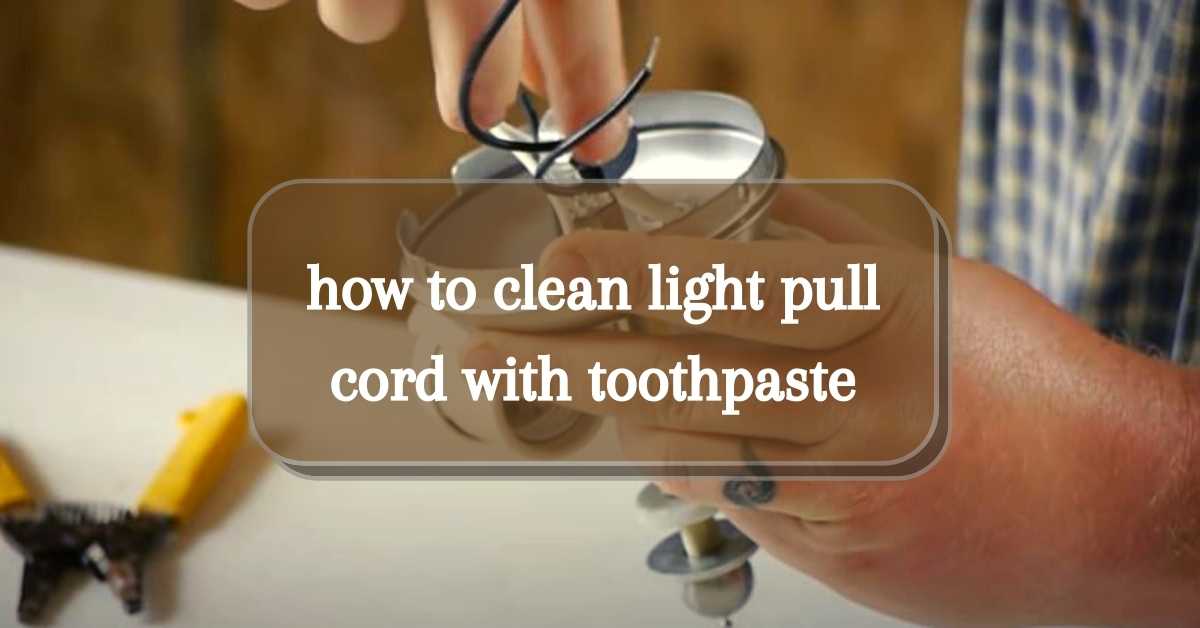
How to Clean Light Pull Cord with Toothpaste

To clean a light pull cord with toothpaste, dismantle the cord from the ceiling fixture, apply white toothpaste (not gel) to a soft-bristled brush, and scrub the cord until stains disappear. Rinse with a damp cloth and allow it to air-dry completely before reattaching. This method works because toothpaste contains mild abrasives and surfactants that break down grime without damaging most cord materials.
Toothpaste is one of the most versatile cleaning agents in any household. Its low-abrasive formula—typically with a Relative Dentin Abrasivity (RDA) value between 40 and 200—makes it safe for delicate surfaces while still effective at removing built-up residue, soap scum, and tarnish from pull cords, lamp chains, and metal fixtures.
How to Clean a Dirty Light Pull Cord with Toothpaste
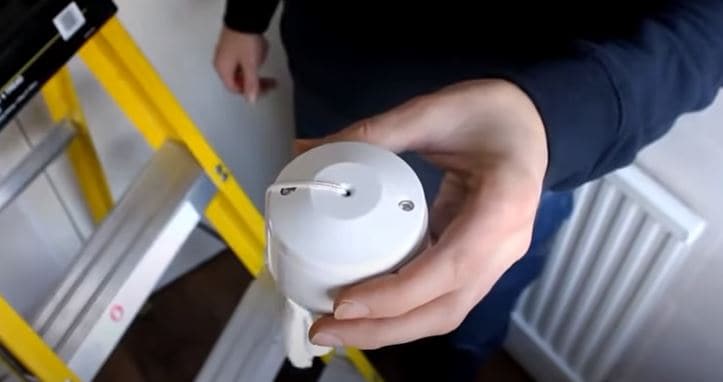
Bathroom light pull cords accumulate grime from repeated contact with hands, exposure to humidity, and soap residue. The CDC recommends regular cleaning of high-touch surfaces in bathrooms to reduce pathogen presence. When the cord becomes sticky or discolored, toothpaste provides a safe, non-abrasive cleaning solution that restores appearance without degrading the cord material.
Toothpaste works effectively on light pull cords due to its surfactant content and mild abrasives. Most commercial toothpastes contain sodium fluoride (0.24% concentration), hydrated silica, and sorbitol—all of which help lift and suspend soil particles when agitated with a brush.
Materials Needed
- White toothpaste (not gel-based) — 1 tube
- Soft-bristled toothbrush or cleaning brush
- Clean microfiber cloth
- Small bowl of warm water for rinsing
- Protective gloves (optional)
Step 1: Remove the Pull Cord
Turn off the light switch and, if accessible, the circuit breaker. Detach the pull cord from the ceiling fixture by unhooking or unscrewing the mounting bracket. This protects the fixture from toothpaste residue and allows you to clean all sides of the cord thoroughly.
Step 2: Apply Toothpaste and Scrub
Squeeze a 2-inch strip of white toothpaste onto the brush. Working in small sections, scrub the cord using circular motions. Apply moderate pressure to work the toothpaste into crevices where grime accumulates. The scrubbing action should take 30–60 seconds per 6-inch section.
Step 3: Rinse and Dry
Dampen the microfiber cloth with warm water and wipe away toothpaste residue. For stubborn spots, repeat scrubbing. Allow the cord to air-dry for 2–4 hours or wipe dry with a separate clean cloth. Reattach to the ceiling fixture only when completely dry.
Alternative Method: Bleach Solution for Heavily Soiled Cords
For pull cords with heavy discoloration, mold, or mildew, a bleach solution provides deeper cleaning. The EPA recommends a 1:10 dilution ratio (approximately 1 cup bleach per gallon of water) for disinfectant cleaning on non-porous surfaces in the home.
Step 1: Mix the Bleach Solution
Combine household chlorine bleach with water at a 1:10 ratio in a well-ventilated area. Use approximately 1 tablespoon (15 mL) of bleach per cup (240 mL) of water. Place the mixture in a sealable plastic bag.
Step 2: Submerge the Cord
Seal the pull cord inside the bag with the bleach solution. Ensure the cord is fully submerged. Secure the bag with clips or rope, checking that seals are tight to prevent leaks.
Step 3: Soak and Rinse
Allow the cord to soak for 15–30 minutes. Heavily stained cords may require up to 1 hour. Remove the cord, rinse thoroughly with clean water to eliminate bleach residue, and air-dry completely before reinstallation.
How to Clean Curtain Ropes
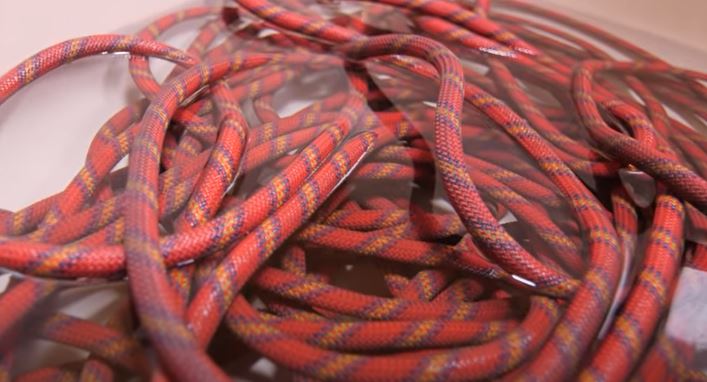
Curtain ropes require different cleaning methods depending on the material. For most fabric curtain ropes, a gentle hand-wash approach prevents fiber damage while removing dust and debris.
Fill a spray bottle with 1 cup of carbonated water at room temperature mixed with 1 tablespoon of liquid washing detergent. This carbonation helps lift particles from between fibers. Place the rope on a plastic bag to catch drips, then spray the solution evenly across the rope surface.
When maintaining a clean bathroom, effective cleaning techniques for shower doors removes hard water stains and soap scum. Regular care prolongs the lifespan of bathroom fixtures and surfaces.
How to Clean Roman Blind Cords
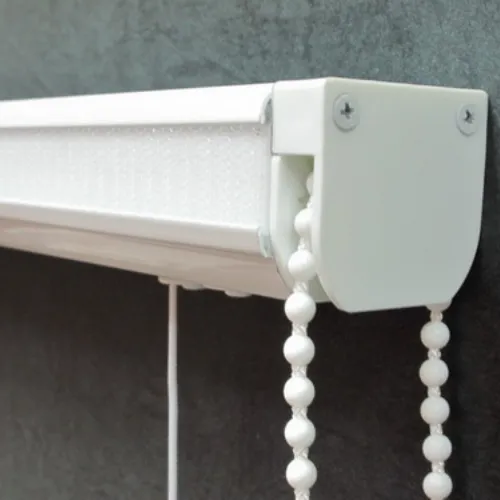
Roman blind cords require material-specific care. Most Roman blind cords are made from cotton, polyester, or weighted chains—each requiring different cleaning approaches. Consult the manufacturer label or care instructions before cleaning.
For polyester or synthetic blind cords, mix 1 tablespoon of mild detergent with 2 cups of hot water (above 140°F/60°C for effective cleaning). Spray lightly and wipe with a damp cloth. Do not saturate the cords, as excess moisture may cause shrinkage or fiber damage.
For deep cleaning of removable cotton cords, follow the bleach soak method described above using a 1:10 bleach-to-water ratio. Soak for no longer than 10 minutes to prevent fiber degradation, then rinse thoroughly and air-dry flat.
How to Clean Blind Pulls
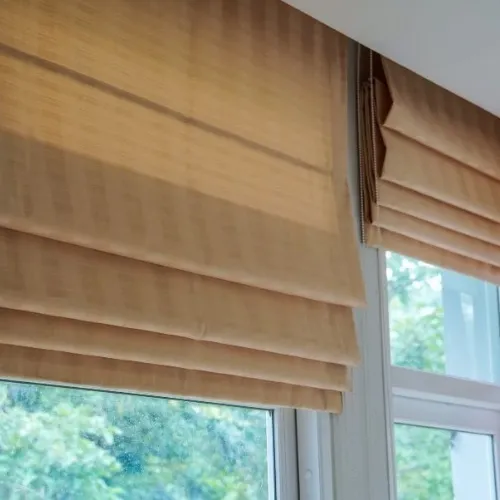
Blind pulls are typically made from metal, plastic, or wood. Metal blind pulls (especially brass and nickel) can develop rust or tarnish when exposed to moisture. Regular dusting and occasional wiping with a damp cloth prevents buildup and extends the pull’s functional life.
Blind Pull Cleaning Steps
- Wipe the blind pull with a dry microfiber cloth to remove loose dust
- Spray a small amount of the carbonated water and detergent mixture onto a cloth (not directly onto the pull)
- Wipe all surfaces of the pull, reaching into crevices
- Dry immediately with a second clean microfiber cloth
- For stubborn tarnish on metal pulls, apply a metal-specific cleaner per product instructions
For detailed cleaning procedures and product recommendations, refer to the Window and Glass Cleaning Guide hub which covers blind and accessory care.
How to Fix a Pull Cord on a Light
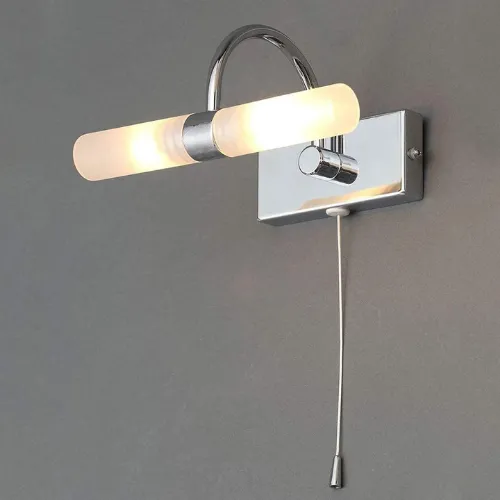
Light pull cords operate ceiling fans, bathroom exhaust fans, and lighting fixtures. If the cord pulls but does not activate the switch, the internal mechanism may be worn or the cord itself may have stretched or broken at the connection point.
For a loose or stretched cord, locate the adjustable knot at the connection point inside the fixture canopy. Re-tighten the knot by pulling additional cord through to create tension, then secure with a fresh knot. Replace the entire cord if frayed or damaged.
Cord Replacement Steps
- Turn off power at the circuit breaker
- Remove the canopy cover from the ceiling fixture
- Disconnect the old cord from the switch mechanism
- Thread the new cord through the same path and knot securely
- Test the pull before reinstalling the canopy
For more troubleshooting guidance, see the Vacuum Troubleshooting Master Hub or Laminate and Vinyl Floor Care Guide for additional home maintenance resources.
What Is a Light Pull Cord?
A light pull cord is a manual activation mechanism consisting of a chain, cord, or rope connected to an interior electrical switch. The cord operates through a simple pulley system, applying downward force to complete or interrupt an electrical circuit.
Standard light pull cords range from 6 to 24 inches in length, depending on ceiling height and fixture type. Most residential pull cords are rated for 10,000+ pulls before mechanical failure, according to fixture manufacturer durability testing.
Common applications include bathroom ceiling lights, exhaust fans, chain-pull switches for garbage disposals, and chain-operated ceiling fans. Pull cords are available in various materials including plastic, cotton rope, metal chains, and braided nylon.
Quick-Reference: Cleaning Method Comparison
| Method | Best For | Duration | Materials Needed |
|---|---|---|---|
| Toothpaste | Light dirt, tarnish, regular maintenance | 10–15 minutes | White toothpaste, soft brush, microfiber cloth |
| Bleach Soak (1:10) | Mold, mildew, heavy discoloration | 15–60 minutes | Bleach, water, sealable bag, gloves |
| Carbonated Water + Detergent | Fabric ropes, delicate materials | 5–10 minutes | Carbonated water, detergent, spray bottle |
Conclusion
Cleaning a light pull cord with toothpaste is an effective, inexpensive method for regular maintenance of bathroom and ceiling fixtures. The mild abrasives and surfactants in toothpaste lift grime without damaging most cord materials when used properly.
For deeper cleaning of heavily soiled cords, a 1:10 bleach-to-water solution removes mold and stubborn stains. Always rinse thoroughly and allow cords to dry completely before reinstallation to prevent moisture damage or slippage.
Explore more cleaning guides in the Bathroom Cleaning Guide Hub and Cleaning Glossary for additional home maintenance resources.
References
- Centers for Disease Control and Prevention (CDC). (2023). Keeping Your Home Clean. U.S. Department of Health and Human Services.
- U.S. Environmental Protection Agency (EPA). (2023). Selected EPA-Registered Disinfectants. EPA.
- American Cleaning Institute. (2022). Household Cleaning Product Safety Guidelines. ACI.
- NSF International. (2023). NSF Public Health and Safety Standards. NSF International.


