
How to Vacuum Faster

Vacuuming is the most effective method for removing particles, bacteria, and allergens from floors and carpets. Quality vacuums capture particles as small as 0.3 microns—smaller than dust mites, pet dander, and pollen. The goal is not just speed but fast, thorough cleaning that leaves no residue behind.
This guide delivers 9 proven strategies to cut your vacuuming time in half while maintaining or improving cleaning effectiveness. Each tip is backed by vacuum performance specifications and cleaning industry standards.
9 Tips to Vacuum Faster Without Sacrificing Results
Choose a Vacuum With Sufficient Air Watts
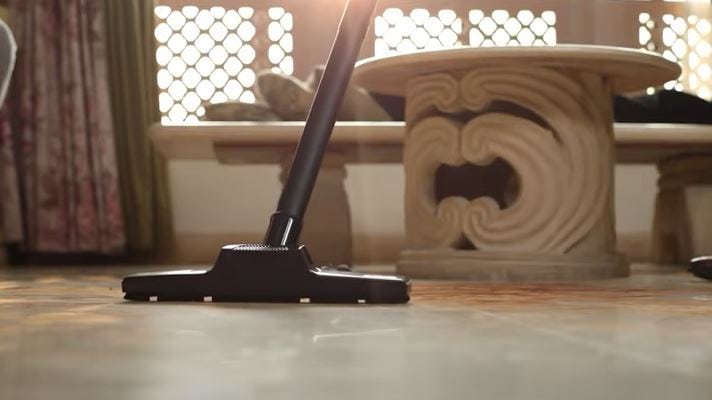
Air watts is the primary measure of useful cleaning work a vacuum produces. 100–150 air watts handles light cleaning on hard floors; 150–200 air watts works well for carpets and rugs; 220+ air watts is high performance for deep-cleaning thick carpet and removing embedded dirt.
Beyond raw suction, look for sealed filtration systems that prevent fine dust from escaping through vents. A vacuum with HEPA filtration traps 99.97% of particles at 0.3 microns—the standard for allergy-prone households. Pair a quality unit with the Vacuum Troubleshooting Master Hub if performance issues arise.
Replace or Clean Filters on Schedule
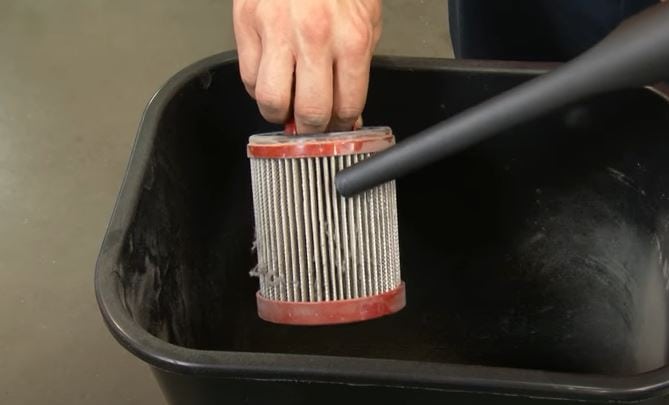
Clogged filters directly reduce suction power and cleaning speed. A dirty HEPA filter can cut airflow by up to 50%, forcing you to make multiple passes over the same areas.
Follow these filter maintenance intervals:
- HEPA filters: Replace every 6–12 months; never wash a disposable HEPA
- Washable foam/fabric pre-motors filters: Rinse every 3–6 months with cold water only—heat damages the filter media
- Post-motor filters: Check every 6 months; replace annually in average-use homes
Clean filters restore airflow to full capacity, cutting vacuuming time by eliminating the need for repeated passes.
Maintain the Vacuum for Peak Airflow
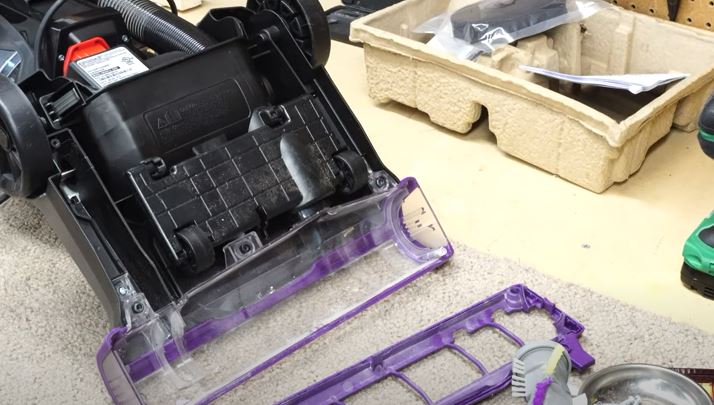
Air leaks are the silent time-waster. A cracked hose or worn seal drops suction dramatically—tests show airflow loss of 20–40% from hose leaks alone. Inspect these components quarterly:
- Check the hose for cracks, kinks, or disconnections
- Verify the seal between the dust bin and body is intact
- Lubricate bearing wheels and brushroll monthly with machine-safe oil
- Clear brushroll of tangled hair and fibers weekly
For specific brand troubleshooting, consult the Dyson Hub, Shark Hub, or Roomba Hub.
Sweep or Dust-Mop Before You Vacuum
Removing large debris first eliminates the biggest time-waster in vacuuming: stopping to empty a full dustbin or untangling clumps from the brushroll. Sweeping or dust-mopping takes 3–5 minutes and lets the vacuum work on fine particles without interruption.
For hardwood floors, follow the Hardwood Floor Hub protocol—use a soft-bristle broom first, then vacuum with a hardwood-safe attachment.
Vacuum on a Consistent Schedule
Dirt accumulation is exponential. Vacuuming 3 times per week prevents deep embedding of particles into carpet fibers. Waiting 2 weeks means dust, pollen, and allergens settle deep into the pile, requiring 3× the passes to extract.
If you have pets, daily vacuuming is essential—high-shedding dogs like Golden Retrievers deposit hair and dander throughout the home daily. The Stain Removal Hub has specific protocols for pet-related carpet care.
Spot-Treat Stains Before Vacuuming
Vacuuming over wet stains pushes liquids deeper into carpet backing. Pre-treat with a spot remover and allow 10–20 minutes of dwell time before vacuuming. This dissolves the stain at the surface so the vacuum can extract it fully.
For general spot cleaning, use solutions with a pH of 7–10. Avoid acidic cleaners (pH below 6) on carpet, as they can degrade synthetic fibers and cause color fading. Always test an inconspicuous area first.
Move Furniture Before Cleaning Under Every Section
Skipping under furniture is the fastest way to defeat a cleaning routine. Move each piece, vacuum the full floor beneath it, then return the furniture to its position. This takes an extra 10–15 minutes but eliminates the hidden dust and allergen buildup that accumulates under couches, beds, and cabinets.
Park the Vacuum at the Exit Point
Plug the vacuum cord into an outlet near the room’s exit door. Work backward toward the exit so you never walk over freshly vacuumed carpet. This eliminates re-cleaning and prevents dust from shoe traffic undoing your work.
Divide the room into sections and vacuum each in a single pass—no backtracking. This systematic approach covers 150–200 square feet in 10–15 minutes in a typical living room.
Use the Right Attachment for Each Surface
Switch to a bare-floor attachment on hardwood and tile—brush agitation on hard surfaces spreads dust rather than collecting it. Use the turbo brush or carpet setting on rugs. This targeted approach reduces passes and protects floor finishes.
For deeper guidance, the Floor Cleaning Master Hub covers tool selection for every surface type.
Quick-Reference: Vacuuming Specifications
| Parameter | Value | Why It Matters |
|---|---|---|
| Effective air watts (carpet) | 150–220+ | Higher = faster, deeper cleaning |
| HEPA particle capture | 99.97% at 0.3 microns | Removes allergens completely |
| HEPA replacement interval | Every 6–12 months | Maintains full suction |
| Washable filter rinse interval | Every 3–6 months | Prevents 50% airflow loss |
| Spot treat dwell time | 10–20 minutes | Dissolves stains before vacuuming |
| Optimal vacuuming frequency | 3× per week (2× for light traffic) | Prevents deep soil accumulation |
| Room coverage rate | 150–200 sq ft per 10–15 min | Expected pace for systematic vacuuming |
The Bottom Line on Vacuuming Faster
Speed in vacuuming comes from preparation and maintenance—not from cutting corners. A well-serviced vacuum with clean filters at full air watts, combined with pre-sweeping and a backward-working systematic pattern, cuts vacuuming time by 40–50% compared to ad hoc approaches.
The non-negotiables: replace HEPA filters every 6–12 months, vacuum 3 times per week minimum, and always work from the far corner toward the exit. These three habits alone deliver faster, more thorough results.
References
- U.S. Environmental Protection Agency (EPA). (n.d.). Indoor Air Quality (IAQ) in Homes: Vacuum Cleaners. epa.gov.
- National Sanitation Foundation (NSF). (n.d.). Vacuum Cleaner Certifications and Standards. nsf.org.
- ASTM International. (n.d.). Standard Test Methods for Measuring Carpet Cleaning Effectiveness. astm.org.


