
How to Clean Caliper Guide Pins?

Guide caliper pins are essential components of your vehicle’s braking system. Sticky or corroded caliper guide pins prevent the brake caliper from moving freely, causing uneven pad wear, reduced braking efficiency, and rotor damage. Cleaning and lubricating caliper guide pins every 20,000–40,000 miles (or during every brake pad replacement) restores full caliper travel and ensures even brake pad contact with the rotor.
How to Clean Caliper Guide Pins: Tools and Supplies
Before beginning, gather these supplies:
- Ratchet and correct size socket (typically 10mm or 12mm)
- Wire brush (steel bristles for heavy corrosion, nylon for finish cleaning)
- Penetrating oil (WD-40, PB Blaster, or Liquid Wrench)
- Brake cleaner spray (non-petroleum based)
- High-temperature brake grease (rated 500°F / 260°C or higher)
- Clean shop rags
- Optional: drill with wire brush attachment
How to Remove Brake Caliper Guide Pins
Loosen and remove the front wheels to access the brake caliper assembly. Unbolt the caliper from its mount using a ratchet—do not disconnect the brake line. Slide the caliper off the rotor and support it with wire so the line is not stressed.
Locate the two caliper guide pins (also called slider pins). These slide through mounting brackets on either side of the caliper. Use a ratchet that fits the pin hex or head and rotate counterclockwise to back the pin out. If the pin resists, apply penetrating oil to the pin-to-bracket interface and wait 10–15 minutes before attempting removal again.
Step 1: Remove the Caliper Guide Pin from the Brake Caliper
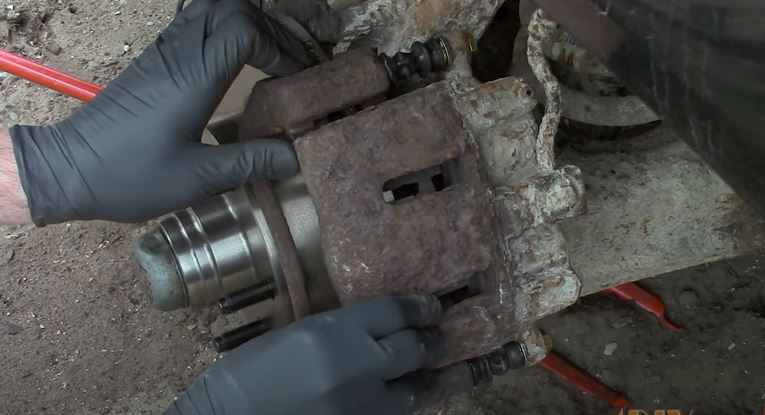
To reach the brake caliper itself, remove the wheels by unscrewing all the nuts and bolts securing it. Then remove the brake calipers using a wrench or a ratchet.
After the brake calipers are removed from the vehicle, use a ratchet that fits the diameter of the pin to back the guide pin out of its bracket. If the pin resists, proceed to the next step.
Step 2: Unjam a Seized Brake Caliper Guide Pin
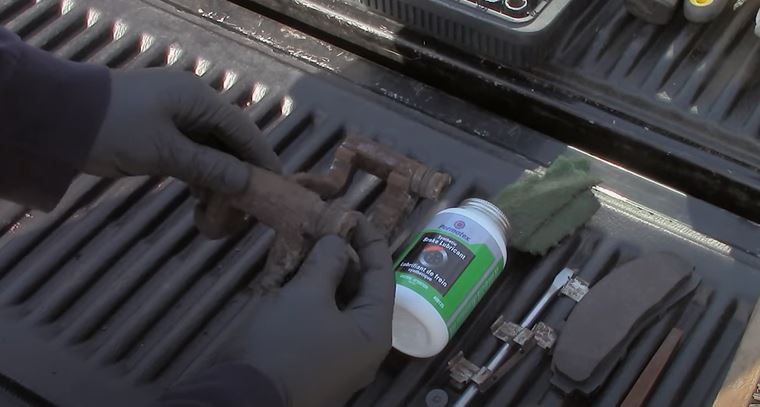
Dirt, old grease, and moisture cause the guide pin hole to dry out, leading to corrosion and seizure. When a ratchet alone cannot free the pin, apply a penetrating oil such as PB Blaster or Liquid Wrench directly to the pin-to-bracket seam.
Allow the penetrating oil to soak for 10–15 minutes. The oil wicks into gaps by capillary action and dissolves rust scale. After soaking, use the ratchet with moderate force to break the pin free. If resistance remains, apply a second application and wait an additional 10 minutes before retrying.
Step 3: Clean Guide Pins with a Wire Brush and Penetrating Oil
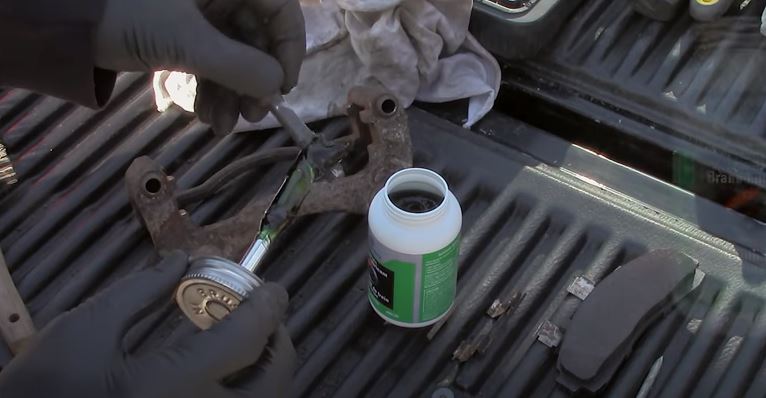
With the pin removed, spray it generously with brake cleaner to strip away old grease and oil residue. Scrub the entire pin surface with a steel wire brush, working in a circular motion to lift corrosion from all sides.
Apply fresh penetrating oil to stubborn areas and continue brushing until the metal surface is clean and uniform. A drill with a wire brush attachment speeds this process for multiple pins. Rinse with brake cleaner and dry completely with a shop rag before lubricating.
How to Clean Caliper Guide Pin Holes

Reinstalling pins into dirty guide pin holes causes immediate re-seizure and undoes all cleaning effort. Clean each pin hole immediately after cleaning the pins themselves.
Pour a small amount of penetrating oil into each pin hole and let it sit for 5 minutes to dissolve accumulated rust and grime. Insert a wire brush into a drill and spin it inside each hole for 30–60 seconds. Blow out debris with compressed air and wipe the inside of each hole with a clean, oiled rag.
Should Caliper Guide Pins Be Lubricated?
Caliper guide pins require lubrication. Without it, the bare metal slides against the bracket under high heat and pressure, causing rapid wear, noise, and sticking. Proper lubrication creates a protective barrier that prevents three specific problems:
Lubrication Prevents Dirt Accumulation
A thin film of high-temperature grease on the pin surface prevents road grime and brake dust from bonding to the metal. The slick surface stops debris from adhering, keeping pins moving freely between service intervals.
Lubrication Reduces Brake Pad Wear
Without lubrication, the caliper cannot slide fully when the brakes release. This drags the pad against the rotor continuously, wearing pads out 30–40% faster than normal. Lubricated pins ensure the caliper retracts fully after each brake application, extending pad life to its full expected mileage.
Lubrication Prevents Corrosion and Seizure
Brake components operate in a harsh environment: heat cycles, moisture, and road salt accelerate corrosion. Grease seals the metal surface against oxygen and moisture, preventing the rust and pitting that cause pins to seize in their brackets.
How to Lubricate Brake Caliper Guide Pins
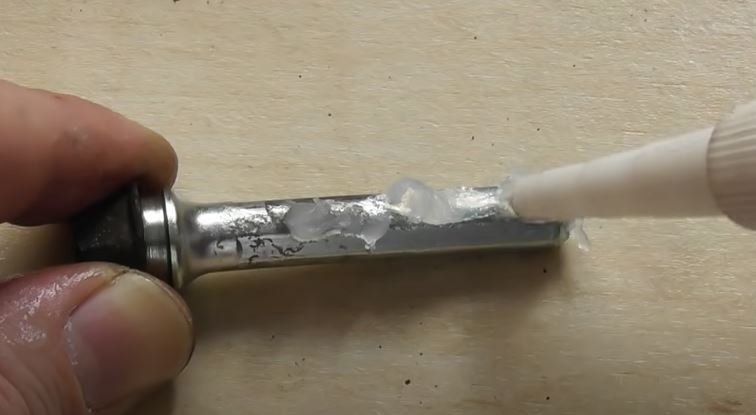
Use only high-temperature brake grease rated for 500°F (260°C) or higher. Standard chassis grease melts and migrates away from the pin under brake heat, leaving the metal unprotected. Apply a thin, even coat to the entire pin surface, including the bushing contact points.
Apply a small amount of grease to the inside of each guide pin hole as well. Reinsert each pin into its bracket by hand to confirm it slides freely without binding. If the pin sticks, remove it, check for debris, and reapply grease before final installation.
How to Unstick a Seized Caliper Slide Pin
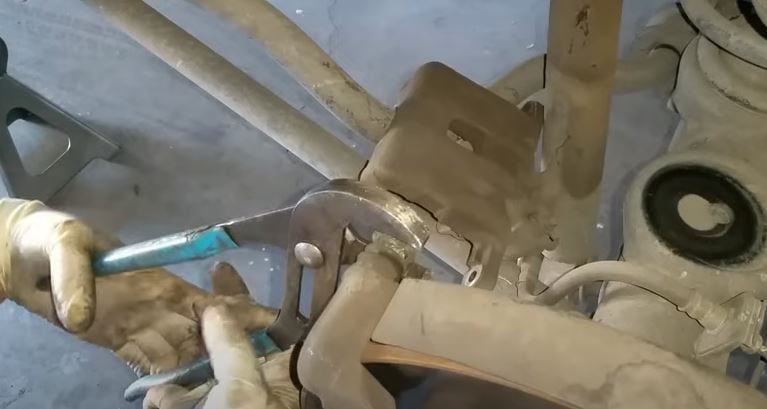
Seized caliper slide pins are common between metal brake components. Forced removal without lubrication risks cracking the brake caliper casting. Apply penetrating oil around the pin entry point where it meets the bracket.
Apply a liberal amount of penetrating oil and allow it to soak for 10–15 minutes. Use a ratchet with appropriate socket size and apply controlled force to rotate the pin out. Never use heat near the brake line or rubber brake hoses. After removal, clean and re-grease the pin before reinstalling to prevent immediate re-seizure.
Brake Caliper Guide Pins vs. Regular Caliper Guide Pins: Are the Cleaning Steps Different?
The steps for cleaning brake caliper guide pins are specific to brake systems and differ from regular mechanical caliper pins. Brake caliper guide pins require non-petroleum-based brake cleaner and high-temperature grease rated to at least 500°F (260°C) to withstand the extreme heat generated during braking. Using incorrect lubricants such as standard chassis grease causes the lubricant to liquefy and migrate away from contact surfaces within minutes of hard braking. Always verify lubricant temperature ratings before application.
Quick-Reference: Cleaning Caliper Guide Pins at a Glance
| Step | Action | Time / Notes |
|---|---|---|
| 1 | Remove front wheels | Loosen lug nuts before lifting |
| 2 | Unbolt and slide off caliper | Support caliper — do not stress brake line |
| 3 | Apply penetrating oil to pins | Wait 10–15 minutes if seized |
| 4 | Remove guide pins with ratchet | Rotate counterclockwise |
| 5 | Spray with brake cleaner | Non-petroleum based only |
| 6 | Scrub with wire brush | 30–60 seconds per pin |
| 7 | Clean pin holes (oil + brush) | Use drill brush attachment |
| 8 | Apply high-temperature grease | Rated 500°F / 260°C minimum |
| 9 | Reinstall pins and caliper | Confirm free movement by hand |
| 10 | Reinstall wheels | Torque to manufacturer spec |
Conclusion
A functioning brake system depends on freely moving caliper guide pins. Sticky or corroded pins prevent the caliper from centering over the rotor, causing uneven brake pad wear, reduced stopping power, and rotor damage that requires costly repairs. Clean and lubricate caliper guide pins during every brake pad replacement or every 20,000–40,000 miles to maintain proper caliper travel and even pad wear.
Routine maintenance of the caliper guide pins extends brake pad life, prevents uneven wear patterns, and ensures the braking system performs as designed. Neglecting this small component leads to premature pad replacement, rotor warping, and compromised vehicle safety.
References
- NHTSA / U.S. Department of Transportation. Brake System Safety. nhtsa.gov.
- BBB Industries. (2022). Brake Caliper Guide Pin Inspection and Lubrication Guidelines. bbbind.com.
- Permatex Technical Data Sheet. High-Temperature Brake Caliper Grease. permatex.com.
- PB Blaster / B’laster Corporation. Penetrating Oil Product Specifications. blasterchemical.com.

