
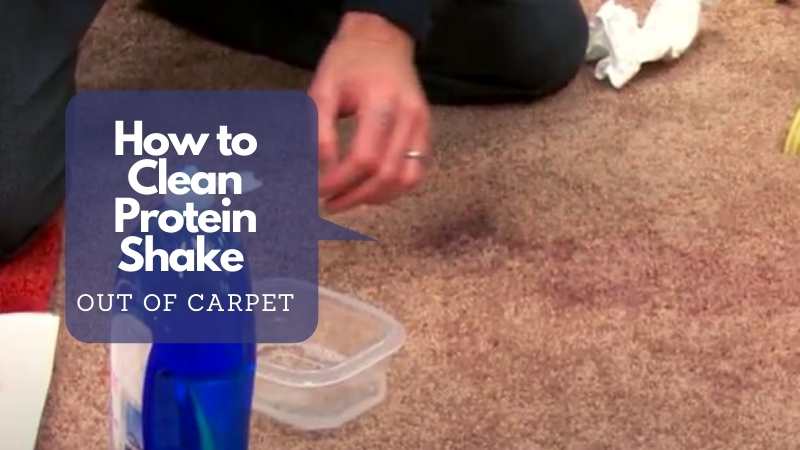
How to Clean Protein Shake Out of Carpet

Blot protein shake spills immediately using white paper towels or a clean microfiber cloth—never rub, as rubbing forces liquid deeper into carpet fibers. Once the excess liquid is absorbed, apply an enzyme-based carpet cleaner specifically formulated for protein-based stains; these products break down casein and whey proteins at the molecular level and are available at most grocery stores and online retailers.
Acting fast dramatically increases your chances of complete stain removal. Protein shakes contain dairy-derived proteins (casein, whey) and added ingredients like chocolate, banana, or peanut butter—all of which bond to carpet fibers when left untreated. Fresh spills respond to simple blotting and an enzymatic cleaner. Older, dried-on spills require deeper penetration with enzyme-based solutions and may need multiple treatments.
How to Remove a Protein Shake Stain from Carpet: Step-by-Step
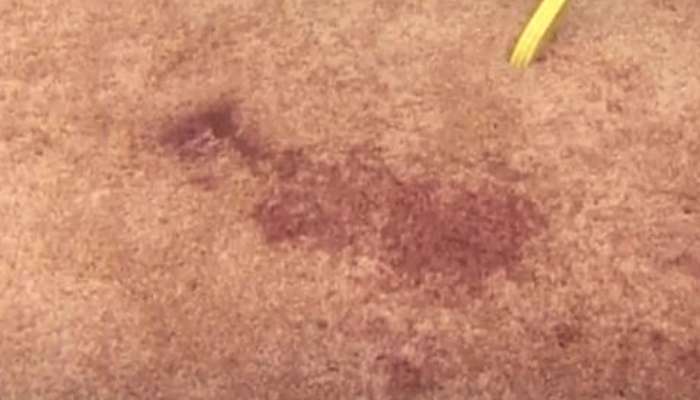
Protein-based spills are among the most stubborn carpet stains because proteins bond chemically to fiber surfaces. Enzymatic cleaners are specifically designed to cleave peptide bonds in protein molecules, making them the most effective over-the-counter solution. Standard dish soap alone often fails on aged protein stains because it cannot break down the molecular structure of casein or whey.
Step 1: Blot the Spill and Remove Solids
Use a white paper towel or an absorbent microfiber cloth to blot the liquid—press firmly and lift, do not scrub. For solid residue (banana chunks, peanut butter flecks), use a blunt knife or a spoon to carefully lift the material off the carpet pile. Work from the outside of the stain toward the center to avoid spreading.
Step 2: Pre-Soak with Enzyme-Based Cleaner
Mix an enzymatic carpet cleaner with lukewarm water (approximately 40°C / 104°F) in a bucket or spray bottle. Lukewarm water activates the enzyme activity without denaturing the cleaning proteins in the product. Apply generously to the affected area and allow 5–10 minutes of dwell time—this gives the enzymes time to break down the casein and whey bonds at a molecular level.
Step 3: Blot Again and Rinse
After dwell time, blot the area again with a clean, dry cloth to absorb the dissolved protein residue. Then rinse the area with cool water (not hot, as hot water can set protein stains). Blot dry.
Step 4: Machine Wash or Professional Extraction
For persistent discoloration, perform a machine wash using a carpet cleaning machine with cool water and a detergent containing enzymes. Set the machine to its lowest pressure setting to avoid over-wetting the carpet backing. Allow the carpet to air-dry completely in a well-ventilated area or use a fan to speed drying. For ongoing carpet maintenance, follow a complete floor cleaning guide to keep all carpeted surfaces in top condition.
How to Dry a Wet Carpet Quickly
After cleaning, excess moisture must be removed to prevent mold and mildew growth, which can begin within 24–48 hours in damp conditions. Use fans, a dehumidifier, or absorbent towels to speed drying. Place a fan directed at the cleaned area and change the towel layers every 30 minutes until the carpet is dry to the touch. For more guidance, see how to dry a wet carpet without a vacuum.
Does Protein Powder Stain Carpet?
Protein powder in dry, powdered form rarely stains because it lacks the liquid medium needed to bond with carpet fibers. The starches and thickened agents in protein shakes—casein, whey concentrates, and added flavor compounds—are what cause discoloration, not the protein molecules themselves when dry.
When mixed with liquid, however, proteins like casein (the dominant protein in dairy-based shakes) have aisoelectric point of approximately pH 4.6, meaning they are least soluble and most likely to bond to fibers at or near that pH. This chemical property is why protein shakes stain more readily on slightly acidic carpet backings or padding. Enzyme-based cleaners work best because they operate in the neutral-to-slightly alkaline pH range (7–9), where proteins remain fully dissolved and can be flushed away.
Even without a liquid spill, fine protein powder particles can embed themselves in carpet pile and, if moisture is introduced later (from humidity or a secondary spill), may cause discoloration. Vacuum thoroughly and consider a damp cloth wipe-down on hard flooring surfaces after powder spills. For comprehensive guidance on handling carpet care issues, refer to the stain removal hub.
How to Remove Protein Shake from a Car Seat
Car upholstery presents unique challenges because most factory car seats use foam padding beneath the fabric cover, which retains moisture far longer than carpet backing. If a protein shake spill soaks through to the foam, mold growth can develop within 24–48 hours. Immediate action is critical.
Step 1: Blot and Soak Up Excess Liquid
Press absorbent cloths or paper towels firmly into the seat to pull out as much liquid as possible. Do not use a rubbing motion. If the spill is significant, repeat with fresh dry cloths until minimal moisture transfers.
Step 2: Apply Enzyme-Based Upholstery Cleaner
Spray an enzyme-based upholstery cleaner mixed with cool water onto the affected area. Use approximately a 1:10 ratio of cleaner to water for fresh spills, or full-strength application for older stains. Allow 5–10 minutes of dwell time.
Step 3: Blot and Extract Moisture
Place a clean, dry washcloth over the treated area and press firmly to absorb the dissolved stain and cleaning solution. Change the cloth and repeat until minimal residue transfers.
Step 4: Rinse and Dry Thoroughly
Lightly mist the area with cool water to rinse any remaining cleaner residue, then blot dry. Use a car vacuum or wet/dry shop vacuum on the lowest suction setting to extract as much moisture as possible from the foam layer beneath the upholstery. Direct a fan at the seat and leave the car doors open in a shaded area to air-dry. For routine car interior care, consult the vacuum troubleshooting hub to ensure your equipment is functioning properly.
How to Clean Protein Powder from Hardwood and Tile Floors
Dry protein powder on hard flooring surfaces is straightforward to clean. Use a dry broom or microfiber dust mop to sweep the powder into a dustpan—avoid wetting the powder first, as moisture activates the protein and creates a paste that adheres to grout lines and wood seams.
For tile and grout, wipe the area with a damp microfiber cloth after sweeping, then follow with a grout-safe neutral pH cleaner (pH 7–8) to remove any residue. On hardwood flooring, use a barely damp mop and dry the area immediately with a clean towel—prolonged moisture exposure on hardwood causes warping and finish damage.
When spills occur on both carpet and hard flooring, using the right laminate and vinyl floor care approach ensures you do not cause secondary damage while cleaning. For deeper floor care routines, the kitchen cleaning hub also covers spill response on food-prep adjacent surfaces.
Quick-Reference Guide: Protein Shake Spill Response
| Scenario | First Response | Cleaning Agent | Dwell Time | Notes |
|---|---|---|---|---|
| Fresh spill (under 15 min) | Blot with paper towels | Enzyme-based cleaner, diluted 1:10 | 5–10 minutes | Most effective at this stage |
| Aged spill (hours–1 day) | Dry brush residue, then blot | Enzyme-based cleaner, full strength | 10–15 minutes | May require 2–3 applications |
| Dried stain (days+) | Scrape or brush dried protein | Enzyme-based cleaner, full strength + agitation | 15–30 minutes | Consider professional extraction |
| Car upholstery spill | Blot immediately | Enzyme-based upholstery cleaner | 5–10 minutes | Extract foam moisture within 24 hrs to prevent mold |
| Hard floor powder | Dry sweep | Damp wipe with neutral pH cleaner | N/A | Never wet powder before sweeping |
Why Enzyme Cleaners Work on Protein Stains
Proteases—the enzyme class used in protein stain cleaners—catalyze the hydrolysis of peptide bonds that hold protein molecules together. At room temperature (20–25°C / 68–77°F) and in a neutral-to-slightly-alkaline solution (pH 7.5–8.5), protease activity reaches its optimum rate. This is why lukewarm water and a dedicated enzymatic cleaner outperform standard dish soap, which relies on surfactants alone and cannot break protein bonds.
Household vinegar (acetic acid, pH ~2.5) can dissolve some surface protein residue but also lowers the pH of the carpet environment, temporarily increasing protein bonding to fibers. For this reason, rinse thoroughly with cool water after using any acidic cleaner and follow with an enzymatic treatment for best results. For a deeper understanding of cleaning chemistry, see the cleaning chemistry hub.
References
- NSF International. (2024). Cleaning Products Guide. NSF International.
- U.S. Environmental Protection Agency. (2023). What Are Disinfectants and How Do They Work?. EPA.
- American Cleaning Institute. (2022). Product Safety and Ingredient Transparency. ACI.


