
Why Does My Washing Machine Smell Like Fish?

A washing machine smells like fish when bacterial biofilm builds up in the drum, gasket, and drain hose. This biofilm, primarily caused by Listeria, E. coli, and Serratia species, produces trimethylamine (TMA) — the compound responsible for the fishy odor. Regular cleaning with vinegar, baking soda, or NSF-certified washing machine cleaners eliminates this biofilm and prevents recurrence.
This guide covers the six primary causes of fishy washing machine odors and provides specific cleaning protocols using vinegar, baking soda, bleach, and commercial products to restore a fresh-smelling machine.
Six Causes of Fishy Odor in Washing Machines
Bacterial biofilm accumulation causes fishy smells in washing machines. Understanding these causes helps target the right cleaning solution.
1. Soap and Detergent Build-Up
Residual laundry detergent accumulates in the drum, especially in front-loading machines. This residue creates a slimy biofilm layer where Serratia marcescens and other odor-producing bacteria thrive. The biofilm reduces water efficiency and causes static odor problems. Monthly cleaning prevents this build-up.
2. Residue from Soiled Laundry
Body oils, sweat, and food particles left in the drum after washing create organic matter for bacterial growth. Workout clothes, marine gear, and fishing apparel are common culprits. Running an empty hot wash cycle weekly eliminates this residue.
3. Clogged Drain Filter
Standing water in the drain basin becomes stagnant and anaerobic, producing hydrogen sulfide (rotten egg) and trimethylamine (fish) odors. Clean the drain filter monthly by removing the access panel and clearing debris.
4. Bacterial Contamination in the Gasket
The rubber door gasket on front-loading machines traps moisture and debris, creating ideal conditions for Listeria and Pseudomonas growth. Wipe the gasket with a 50/50 vinegar-water solution after every 3–5 loads to prevent bacterial colonization.
5. Detergent and Fabric Softener Residue
Using too much detergent or fabric softener leaves residue that traps soil and bacteria. High-efficiency (HE) machines require only 2 tablespoons of HE detergent per load. Excess product does not improve cleaning — it causes build-up.
6. Degraded Door Seal and Gasket
Older machines (7+ years) develop cracked or porous seals where biofilm embeds and cannot be fully cleaned. If cleaning no longer resolves odors, inspect the door seal for physical damage. Replacement seals cost $20–$50 and restore a proper seal.
How to Eliminate Fish Smell: Step-by-Step Cleaning Protocols
Follow these proven cleaning methods to eliminate washing machine odors. Start with Method 1 and progress through the list if odors persist.
1. Clean the Drain Filter
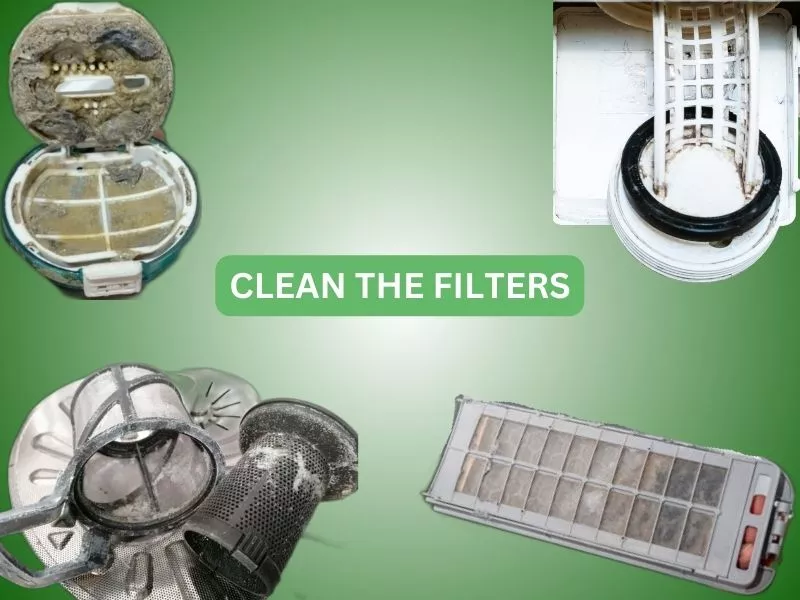
A clogged drain filter causes 90% of persistent washing machine odors. Locate the filter (typically behind a front panel or at the bottom of top-loaders), place towels beneath, and remove trapped debris. Rinse with hot water (140°F/60°C minimum). Clean quarterly, or monthly if you wash heavily soiled items.
2. Leave the Door Open After Each Load
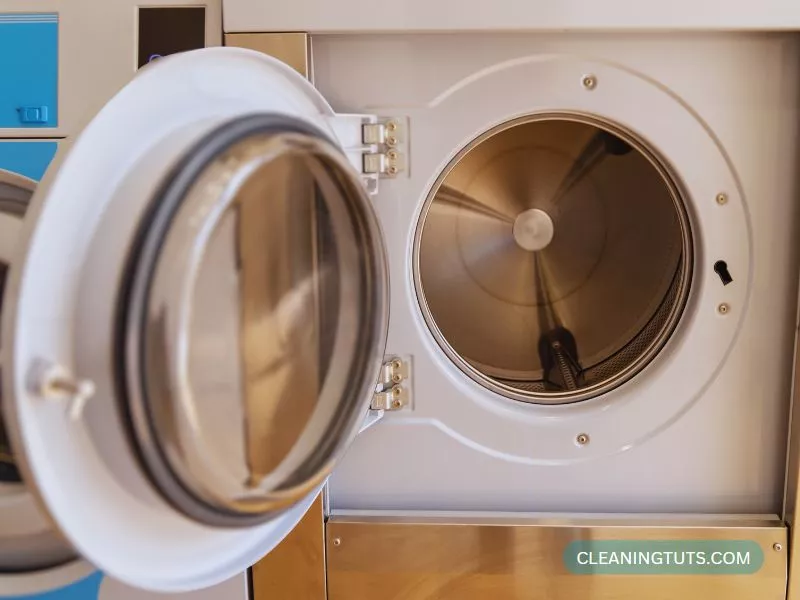
Moisture trapped in a closed drum creates anaerobic conditions perfect for odor-producing bacteria. Leave the door and detergent drawer ajar for 2–3 hours after each cycle. This single habit prevents most washing machine odors from developing.
3. Vinegar Cleaning Cycle
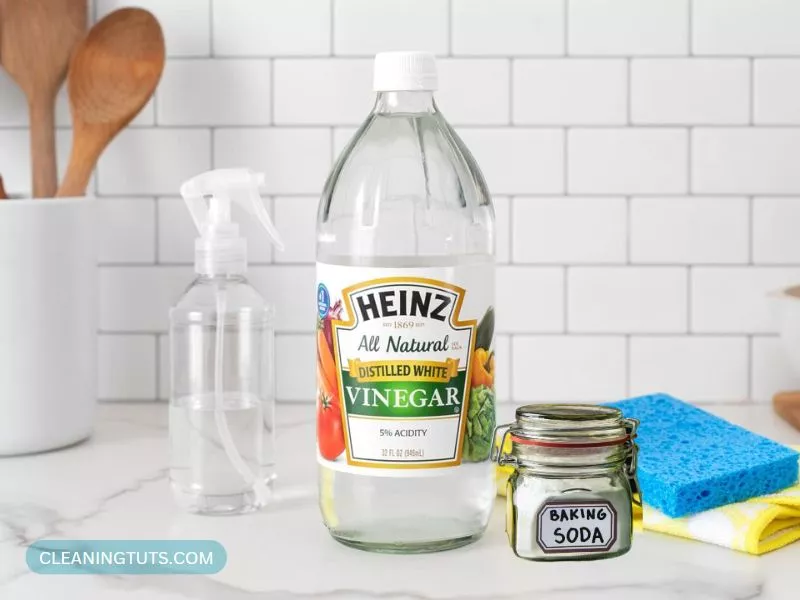
White distilled vinegar (5% acetic acid) dissolves mineral deposits, detergent residue, and bacterial biofilm. Add 4 cups (1 liter) of white vinegar to the detergent drawer and run a hot water cycle (140°F/60°C or higher). The acid breaks down biofilm at pH 2.5–3.0. Repeat monthly for maintenance.
4. Baking Soda Treatment
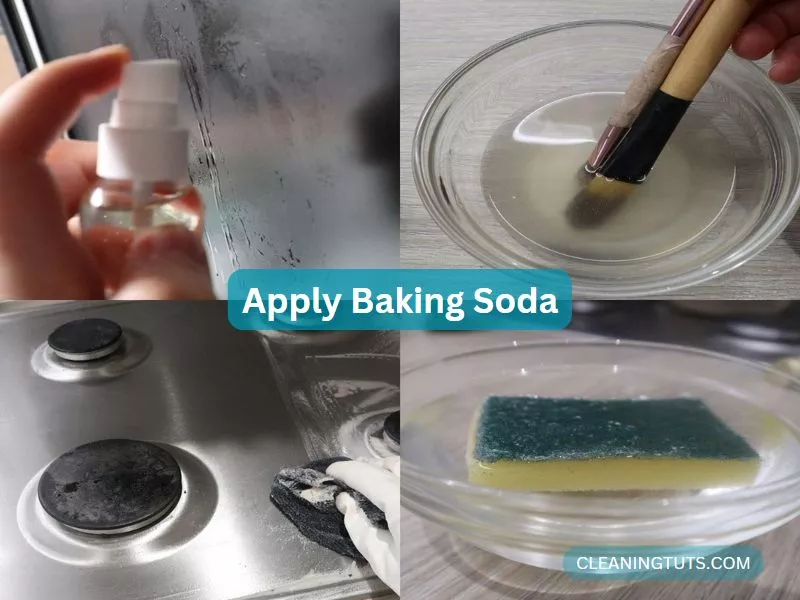
Baking soda (sodium bicarbonate) acts as a gentle abrasive and deodorizer with pH 8.3. Add 1 cup (250g) directly to the drum and run a hot water cycle. For heavy odors, first run a vinegar cycle (Method 3), then a baking soda cycle. The two-step process removes biofilm more effectively than either alone.
5. Bleach Disinfection (For Severe Cases)

Sodium hypochlorite bleach (5.25–6% concentration) kills bacteria, mold, and yeast at dilutions of 1:10 to 1:100. Add 1 cup (240ml) bleach to an empty hot cycle. Bleach damages rubber gaskets if used excessively — limit to quarterly deep cleans. Never mix bleach with vinegar or ammonia; the reaction releases toxic chlorine gas.
6. Lemon Heat Treatment

Citric acid in lemons (pH 2.2) dissolves hard water deposits and detergent residue. Cut 2 lemons in half, add with 2 cups of hot water to the drum, and run the hottest cycle (140°F+/60°C+). The heat amplifies the cleaning action and leaves a fresh scent.
7. Tea Tree Oil Antimicrobial Treatment

Tea tree oil (Melaleuca alternifolia) contains terpinen-4-ol, which kills 99.9% of household bacteria including E. coli and S. aureus at 0.5–1% concentrations. Add 15–20 drops to a spray bottle with 2 cups water, spray the drum and gasket, and wipe after 15 minutes. Add 10 drops to a laundry softener compartment for ongoing odor protection.
8. NSF-Certified Commercial Cleaners
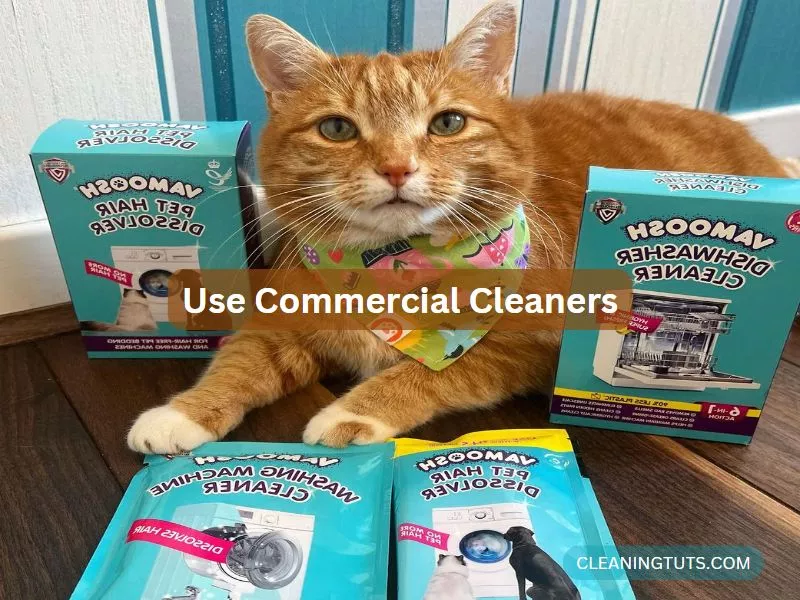
Commercial washing machine cleaners rated by NSF International eliminate 99.9% of bacteria and fungi. These products are specifically formulated for washing machine components and safe for rubber gaskets. Follow label instructions for dilution ratios and cycle settings.
9. Professional Service

If cleaning methods fail, the issue may be internal: a contaminated drain hose, faulty water inlet valve, or motor bearing seal degradation. Appliance repair technicians (average service call $150–$300) can diagnose and repair mechanical issues that cause persistent odors.
Best Commercial Washing Machine Cleaners: Quick Reference

Commercial cleaners offer targeted formulations that complement natural methods. Choose based on your priority: odor elimination, biofilm removal, or general maintenance.
| Product | Key Ingredient | Best For | Dilution |
|---|---|---|---|
| Lemi Shine | Citric acid, sodium citrate | Hard water deposits, residue | 1 tablet per cycle |
| Simple Green | Plant-based surfactants | General cleaning, eco-conscious users | 1 tablet per cycle |
| OxiClean | Sodium percarbonate | Stain removal, odor elimination | 1 packet per cycle |
| Glisten Washer Magic | Sodium hypochlorite | Heavy biofilm, mold | 1 tablet per cycle |
| Calgon | Sodium tripolyphosphate | Water softening, scale prevention | 1 tablet per cycle |
Lemi Shine
Formulated with citric acid and surfactants, Lemi Shine removes hard water deposits and detergent residue in one cycle. Add one tablet to the empty drum, select the hottest cycle, and run. Safe for all washing machine types.
Simple Green Washing Machine Cleaner
This plant-based formula uses biodegradable surfactants to cut through grease and grime without harsh chemicals. Add one tablet with regular detergent on a normal cycle. EPA Safer Choice certified.
OxiClean
OxiClean releases oxygen at 176°F (80°C) during the wash cycle, providing an oxygen bleach effect that lifts stains and eliminates odors. Add one packet to the drum with an empty load on the hottest setting.
Glisten Washer Magic Machine Cleaner
This bleach-based formula targets heavy biofilm and black mold in the rubber gasket. Use monthly for front-loading machines in humid climates. Not recommended for acrylic or rubber parts — check compatibility.
Calgon
While primarily a water softener, Calgon prevents mineral deposits that feed bacterial biofilm. Add one tablet with detergent for every wash to maintain a clean machine between deep cleans.
Washing Machine Cleaning Frequency Guide
| Machine Type | Clean Frequency | Primary Method |
|---|---|---|
| Front-loader (standard) | Monthly | Vinegar + baking soda cycle |
| Front-loader (HE) | Every 2 weeks | Commercial cleaner tablet |
| Top-loader (standard) | Every 2 weeks | Baking soda added to drum |
| Top-loader (HE) | Weekly | Vinegar in fabric softener compartment |
| Shared/community machine | Weekly | Bleach disinfection cycle |
Frequently Asked Questions
Can vinegar damage your washing machine?
Vinegar is safe for quarterly cleaning when used at 5% concentration (4 cups per cycle). Daily or weekly use accelerates rubber gasket wear and may corrode chrome parts on older machines. Always run an empty water cycle after vinegar to rinse residue.
Why do my clean clothes smell fishy?
Trimethylamine (TMA) from bacterial biofilm transfers to clothing during the wash cycle. The source is the machine drum, gasket, or drain — not the laundry. Deep clean all components and run two empty hot cycles to fully remove TMA before washing laundry again.
How often should you clean a washing machine?
Clean frequency depends on machine type: front-loaders require monthly cleaning due to enclosed design; top-loaders every 2 weeks. High-efficiency machines need weekly cleaning because they use less water, which concentrates soil and detergent. If odors return within a week of cleaning, inspect the drain filter for a clog.
Can a dirty washing machine make you sick?
Yes. Washing machines harbor Listeria monocytogenes, E. coli, and Staphylococcus aureus, which cause respiratory infections, skin irritation, and gastrointestinal illness. This risk is highest for infants, elderly individuals, and immunocompromised household members. Monthly cleaning eliminates 99.9% of pathogens.
Can a Musty Closet Affect the Smell of My Washing Machine?
Yes — musty closet odors indicate Aspergillus and Penicillium mold growth, which releases volatile organic compounds (VOCs) that transfer to clothing. When these contaminated items enter the washing machine, they introduce mold spores to the drum and gasket. Resolve closet mold by cleaning walls with a 10% bleach solution, reducing humidity below 50% with a dehumidifier, and ensuring proper laundry ventilation.
Final Words
Fishy washing machine odors are caused by bacterial biofilm in the drum, drain, and gasket. Trimethylamine (TMA) and hydrogen sulfide producing bacteria accumulate in warm, moist environments. The solution is straightforward: regular cleaning with appropriate agents at correct dilutions, plus leaving the door open between cycles.
Prevention costs less than cure — a 15-minute monthly cleaning routine extends washing machine lifespan and ensures hygienic laundry conditions. For persistent odors despite cleaning, the machine likely requires professional service or component replacement.
References
- Centers for Disease Control and Prevention (CDC). (2023). How to Wash Clothes to Help Prevent the Spread of Illness. CDC.
- U.S. Environmental Protection Agency (EPA). (2023). Selected EPA-Registered Disinfectants. EPA.
- NSF International. (2023). NSF/ANSI Standard 35: Commercial Laundry Appliances. NSF International.
- Healthline. (2023). How to Clean a Washing Machine: A Complete Guide. Healthline.


