
Can You Put Fabuloso in a Steam Mop: Facts and Alternatives

Do not put Fabuloso in a steam mop. The heat of a steam mop (120°C/248°F) causes Fabuloso’s surfactants and fragrances to degrade, releasing irritating residues that damage floors and internal mop components.
Steam mops generate temperatures of approximately 120°C (248°F) to disinfect surfaces and kill 99% of bacteria and dust mites without chemical cleaners. Adding Fabuloso to this process causes surfactant degradation, residue accumulation, and potential chemical reactions that damage both your floors and the mop itself. Use only water or manufacturer-approved solutions in steam mops.
Fabuloso contains sodium dodecylbenzene sulfonate (SDBS), a surfactant that works effectively in traditional mop-and-bucket cleaning but breaks down under high heat. If you want a fresh scent, add 1–2 capfuls (30–60 mL) of white vinegar diluted 1:1 with water to your steam mop’s reservoir instead.
What Is Fabuloso Made Of?
Fabuloso is a multi-purpose cleaner composed of several key ingredients that synergize to provide effective cleaning. The primary surfactant is SDBS (sodium dodecylbenzene sulfonate, C₁₈H₂₉NaO₃S), which acts as a surfactant and water softener. SDBS is classified as a sulfonate-based surfactant and is listed in hazard databases including the International Chemical Safety Card (ICSC 1189) and the Hazardous Substances Data Bank (HSDB 740).
Additional components include:
Fragrance
Synthetic or natural fragrance compounds provide a pleasant scent after cleaning and mask residual odors from cleaning agents. These fragrance molecules are volatile and prone to thermal decomposition at steam mop temperatures.
Dye
Water-soluble dyes impart color to the product, helping users differentiate between product variants. These dyes can leave residues when heated and concentrated.
Preservatives
Antimicrobial preservatives prevent the growth of harmful microorganisms in the product during storage. Some preservatives may degrade or become irritating when heated.
Detergents
Anionic detergents break down and loosen dirt, grease, and grime from surfaces. These are specifically formulated for cold or warm water use, not steam temperatures exceeding 100°C.
Emulsifiers
Emulsifiers help mix oil and water-based substances, aiding in the removal of greasy residues. Under high heat, emulsifier bonds can break, causing separation and residue buildup.
Stabilizers
Stabilizers maintain the consistency and integrity of the product, preventing ingredient separation. Heat acceleration can cause stabilizers to fail, leading to product degradation.
pH Adjusters
Buffering agents modify the pH level to optimize cleaning performance. Some Fabuloso formulations incorporate hydrogen peroxide or lactic acid as supplementary cleaning agents, which can become unstable when heated.
Fabuloso also works effectively on various surfaces and types of dirt. For maintaining outdoor spaces, implementing effective cleaning tips for artificial grass helps prolong its lifespan and keep it free of debris. Regular maintenance enhances appearance and creates a safe environment for children and pets. For broader floor care, consult the Floor Cleaning Master Hub for comprehensive guidance.
Why Fabuloso Damages Steam Mops
Using Fabuloso in a steam mop creates three primary problems:
Internal Component Damage
Fabuloso contains detergents, fragrances, and stabilizers that caramelize and solidify inside the mop’s heating element and steam passages. This buildup clogs the heating coil, reduces steam output, and causes premature failure of internal seals and gaskets. Repair costs for a damaged steam mop heating system typically range from $40–80, often exceeding the original purchase price of entry-level models.
Floor Residue Accumulation
Fabuloso leaves behind sticky residues when the water content evaporates faster than the product can dissipate. These residues accumulate on floors, attracting dust and dirt particles and creating a dull, tacky surface. The buildup is particularly problematic on hardwood, laminate, and vinyl flooring. Interior dust composition varies based on environment, but organic matter, fabric fibers, and skin cells all adhere to sticky residue layers.
To maintain glass surfaces like sliding shower doors, use appropriate cleaning solutions rather than residue-forming products. Regular maintenance prevents hard water deposits and soap scum from accumulating on glass surfaces.
Thermal Chemical Reactions
Steam mops heat water to 120°C (248°F), temperatures that accelerate chemical reactions. When Fabuloso’s fragrance compounds and preservatives are heated to this level, they release volatile organic compounds (VOCs) into the indoor air. These VOCs can cause respiratory irritation, headaches, and allergic reactions in sensitive individuals. The combination of heat and chemical residue also produces unpredictable reactions that degrade internal mop components.
Diminished Cleaning Performance
Steam cleaning relies on the heat of dry steam (not liquid water) to suspend and remove contaminants. Fabuloso’s surfactants interfere with this process by creating a film that repels steam moisture, preventing proper heat transfer to the floor surface. The result is substandard cleaning compared to using water alone. Steam alone kills approximately 99% of bacteria and dust mites on contact—adding chemicals reduces this effectiveness.
Safe Alternatives for Scented Steam Cleaning
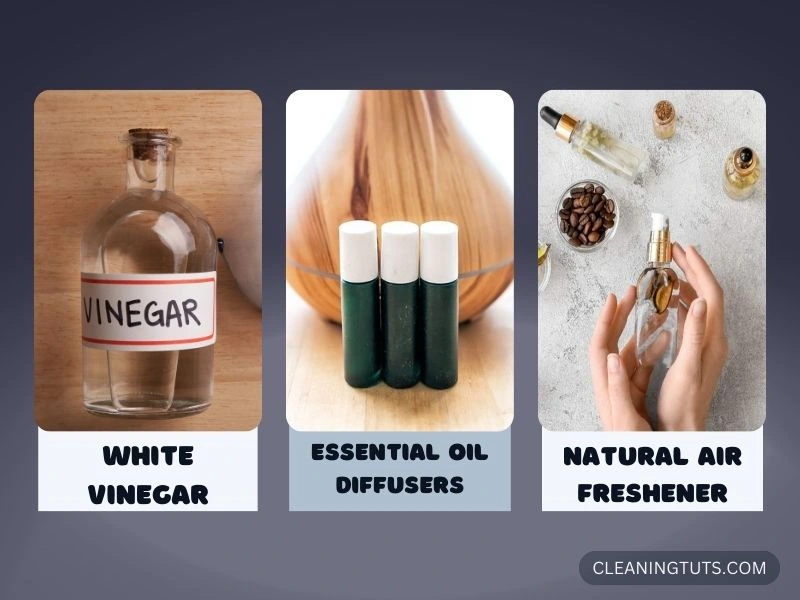
Several natural alternatives achieve a fresh scent without damaging your steam mop:
| Alternative | Dilution Ratio | Application Method | Key Benefits | Precautions |
| White Vinegar | 1:1 with water (50% solution) | Add 30–60 mL to water reservoir | Natural deodorizing; dissolves mineral deposits; pH 2.5–3.0 | Avoid on natural stone (marble, limestone); may etch polished surfaces |
| Essential Oils on Microfiber Pads | 3–5 drops per pad | Apply to dampened microfiber cloth before mopping | Pure lavender, lemon, or eucalyptus oils provide natural fragrance | Use only pure oils; synthetic fragrances may leave residues |
| Essential Oil Diffuser | Per diffuser instructions | Run separately during cleaning | Scents entire room without floor contact | Keep diffusers away from water sources; dilute oils properly |
| Scented Demineralized Water | Pre-mixed commercial product | Fill reservoir as directed | Formulated specifically for steam cleaners; no residue | Follow manufacturer guidelines; some products void warranty |
Recommended: White Vinegar Method
Mix equal parts white vinegar and warm water (1:1 ratio). Add 1–2 capfuls (30–60 mL) of this solution to your steam mop’s reservoir, then fill the remainder with plain water. The vinegar’s acidity (pH 2.5–3.0) helps dissolve mineral deposits in the heating element while providing a clean, fresh scent. This mixture is safe for sealed tile, linoleum, and vinyl flooring.
Why Fabuloso Damages Tineco and SimilarVacuum-Mop Hybrids
Using Fabuloso in Tineco vacuum-mop hybrids presents additional risks beyond standard steam mops. These devices combine mechanical agitation with water-based cleaning, and Fabuloso’s surfactant formulations interact with the internal pump system. The chemicals can deteriorate rubber seals, degrade pump impellers, and contaminate the dirty water tank. Tineco and similar manufacturers specifically recommend using only pH-neutral cleaning solutions specifically formulated for automated floor care devices.
For maintaining vacuum performance, consult the Vacuum Troubleshooting Master Hub or brand-specific guides like Dyson, Shark, or Roomba troubleshooting resources.
Quick-Reference: Steam Mop Do’s and Don’ts
- DO use only water or manufacturer-approved solutions in your steam mop reservoir
- DO clean the reservoir weekly with a 1:1 vinegar-water solution to prevent mineral buildup
- DO replace microfiber pads when they show wear (typically every 3–6 months)
- DO NOT add Fabuloso, bleach, ammonia, or oil-based products to the reservoir
- DO NOT use on unsealed natural stone or wax-coated hardwood
- DO NOT exceed the reservoir fill line; overfilling causes internal leaks
Final Recommendations
Never put Fabuloso in a steam mop. The product’s chemical formulation—surfactants, fragrances, dyes, and preservatives—degrades at steam mop temperatures (120°C/248°F), causing internal damage, floor residue accumulation, and potential respiratory irritation from released VOCs. Steam alone kills 99% of household bacteria without chemical assistance.
For a fresh scent, add 30–60 mL of white vinegar diluted 1:1 with water to your steam mop reservoir, or apply 3–5 drops of pure essential oil to a dampened microfiber pad before mopping. These alternatives clean effectively without damaging your equipment or leaving sticky residues.
For comprehensive floor care, explore the Floor Cleaning Master Hub or specific guides for hardwood, tile and grout, or laminate and vinyl flooring. For other cleaning questions, consult the Cleaning Glossary or Cleaning Chemistry Hub.
Happy cleaning!
References
- Wikipedia. (2024). Vapor steam cleaner. Wikimedia Foundation.
- Wikidata. (2024). Sodium dodecylbenzenesulfonate. Wikimedia Foundation.
- National Center for Biotechnology Information. (2024). Sodium dodecylbenzenesulfonate (CAS 25155-30-0). PubChem.
- U.S. Environmental Protection Agency. (2024). Disinfectants and disinfection byproducts. EPA.


