
How to Remove Tough Clothing Stains with Bleach

Bleach is a powerful cleaning agent that dissolves tough stains at pH 11-13, making it highly effective for whitening and disinfecting laundry. For standard laundry loads, add ½ cup (120 ml) of liquid chlorine bleach to a full washer tub with warm water and run a hot cycle for maximum stain-lifting performance.
This guide covers how to use bleach safely on clothing, the key differences between chlorine and oxygenated bleach, and specific dilution ratios for removing set-in stains.
How Bleach Works on Fabric
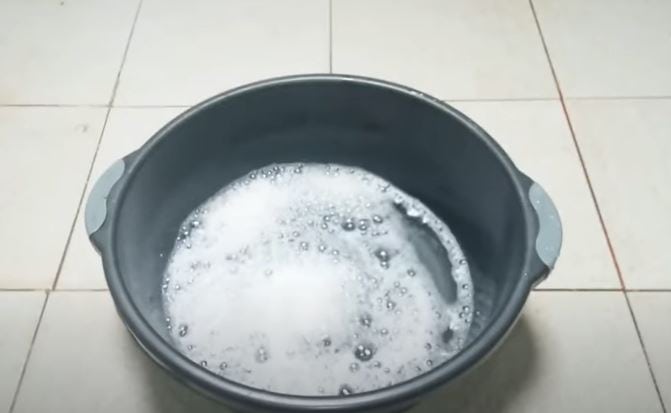
Bleach is a powerful cleaning agent that removes tough stains from clothing by breaking down chromophores (color molecules) through oxidation. Liquid chlorine bleach operates at pH 11-13, while oxygenated bleach works at pH 8-10 and is significantly gentler on fabrics. Both types require proper dilution to prevent fiber damage.
Always follow the manufacturer’s instructions when using bleach for cleaning or disinfecting. The CDC recommends a solution of 1 cup household bleach per 1 gallon water (or approximately 250 ml bleach per 4 liters water) for hard surface disinfection.
Using Bleach for Laundry: What You Need to Know
Yes, you can use bleach on your laundry. Always check the garment care label first—look for symbols indicating bleach compatibility. When using chlorine bleach on white cotton or polyester blends, dilute it in at least 1 gallon of water before adding to the drum to prevent concentration spots that cause fiber etching.
Types of Bleach for Laundry
There are two main types of bleach available for household use: chlorine bleach and oxygenated bleach.
Chlorine Bleach
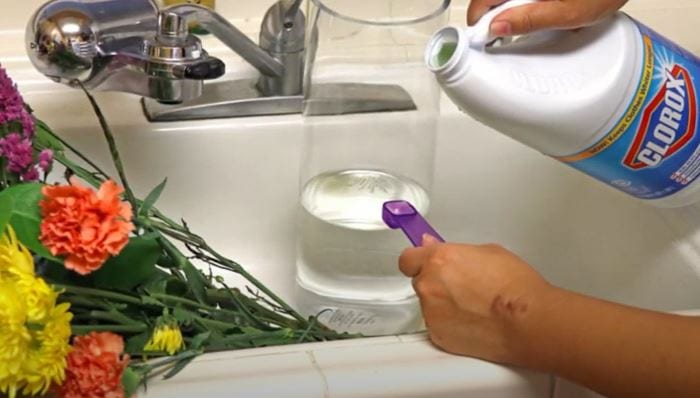
Chlorine bleach (sodium hypochlorite solution at 5-6% concentration) is the most common type. It is inexpensive and effective at removing stains and whitening clothes. However, chlorine bleach damages protein fibers like wool, silk, leather, and spandex, causing fiber degradation within 5-10 minutes of direct contact.
Common uses for chlorine bleach:
- Disinfecting surfaces—use 1 cup per gallon of water
- Removing tough stains from white cotton and polyester
- Whitening dingy or yellowed fabrics
Oxygenated Bleach
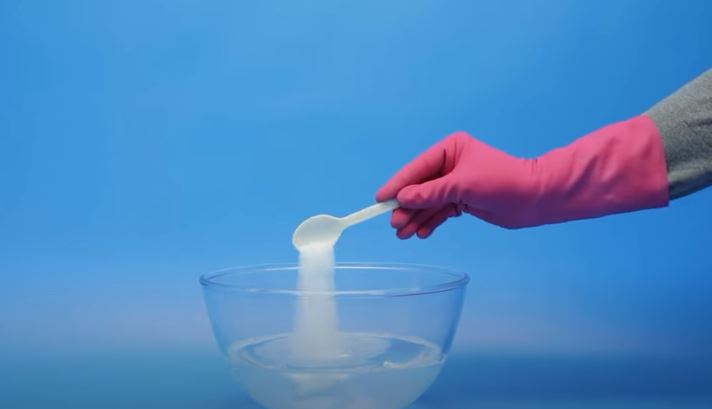
Oxygenated bleach (sodium percarbonate) is a newer type of bleaching agent. It is more expensive than chlorine bleach, but it is gentler on surfaces and fabrics. Oxygenated bleach works by releasing hydrogen peroxide as it dissolves, making it safe for most fabric types including darks and colors.
Common uses for oxygenated bleach:
The usage of oxygenated bleach is similar to chlorine bleach. Add 2 tablespoons (30 g) per gallon of warm water for soaking heavily stained items, or add directly to the washing machine drum with detergent for regular loads.
Bleach Effectiveness on Old Stains
Yes, bleach removes old stains—but success depends on the stain type and fabric. Organic stains (food, grass, blood) respond best to oxygenated bleach soaks of 30-60 minutes in warm water. Ink and dye stains may require direct application of rubbing alcohol followed by a gentle detergent wash instead of bleach, which can set some stains.
How to Use Bleach to Remove Old Stains
Step 1: Soak the Stained Item
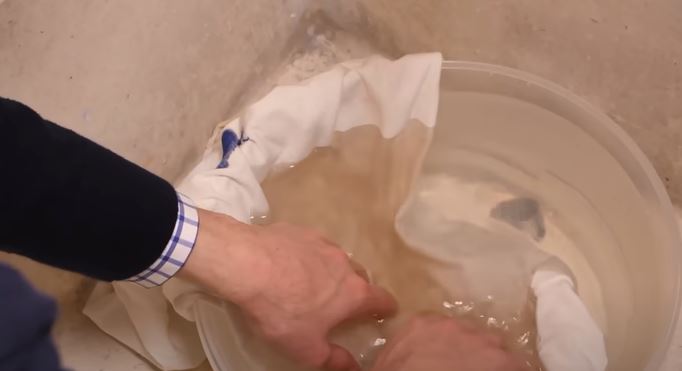
To remove an old stain, soak the stained item in a solution of oxygenated bleach and warm water (not hot). Use 2 tablespoons (30 g) of oxygenated bleach per gallon of water. Soak for 30-60 minutes for light stains, or up to 2 hours for heavily set stains. Never exceed 2 hours, as prolonged exposure weakens fabric fibers.
Step 2: Rinse Thoroughly

After soaking, remove the item from the bleach solution and rinse it thoroughly with cool water. Rinse until all traces of bleach are removed—typically 2-3 minutes of running water. This step prevents bleach residue from damaging fabric during the wash cycle.
Step 3: Wash the Item
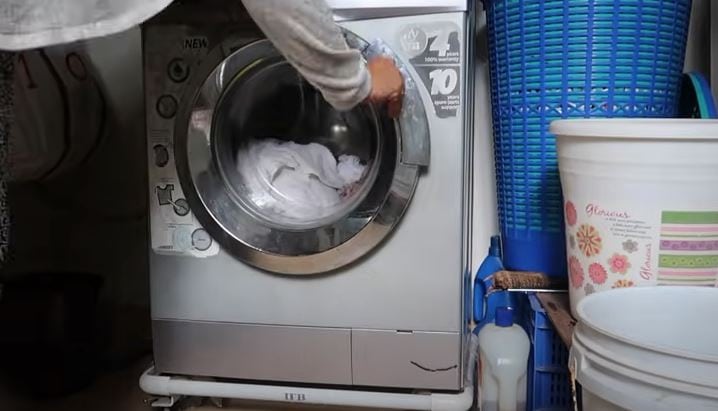
Wash the item in your washing machine on a warm or hot cycle with regular laundry detergent. For white cotton, add ½ cup (120 ml) liquid chlorine bleach to the dispenser or directly into the drum after the tub fills. For colored items, use oxygenated bleach with your regular detergent.
Step 4: Dry Completely
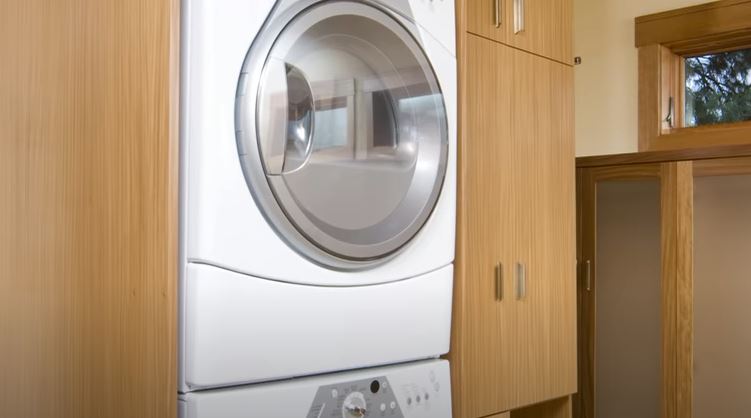
Once the item has been washed, dry it in your clothes dryer on the appropriate heat setting for the fabric type. Check that the stain is completely removed before drying—if any trace remains, treat and wash again before heat exposure, as drying sets stains permanently.
Bleach Stain Removal: What Works and What Doesn’t
Bleach removes most stains from white cotton and polyester fabrics when used correctly. However, it damages protein fibers (wool, silk, leather, spandex) and can cause yellowing on nylon over time. For delicate fabrics, use oxygenated bleach only and limit soaking to 30 minutes maximum.
Always test the fabric in an inconspicuous area (inside a hem or seam) before applying bleach to the entire stain. Apply a drop of diluted bleach solution, wait 1 minute, then blot with a white cloth—if color transfers or the fabric weakens, choose an alternative stain removal method.
Bleach Quantities for Different Loads
The correct bleach amount depends on load size, soil level, and fabric type. For a standard 8-pound (3.6 kg) load of lightly soiled white laundry, add ½ cup (120 ml) liquid chlorine bleach to the dispenser. For heavily soiled loads, increase to ¾ cup (180 ml). Large loads (12+ pounds) may require up to 1 cup (240 ml).
| Load Size | Chlorine Bleach | Oxygenated Bleach |
|---|---|---|
| Small (4-6 lbs) | ¼ cup (60 ml) | 1 tbsp (15 g) |
| Standard (6-8 lbs) | ½ cup (120 ml) | 2 tbsp (30 g) |
| Large (10-12 lbs) | ¾ cup (180 ml) | 3 tbsp (45 g) |
| Extra Large (12+ lbs) | 1 cup (240 ml) | 4 tbsp (60 g) |
Tips for Using Bleach Safely in Laundry
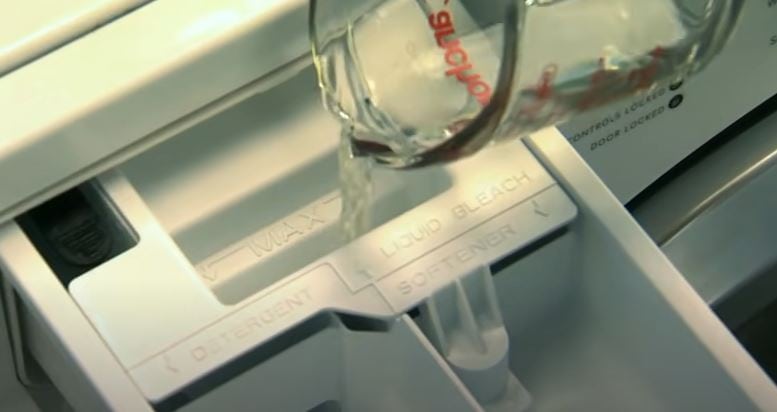
- Always follow the manufacturer’s instructions on the bleach bottle for correct dilution ratios.
- Rinse fabric thoroughly after soaking in any bleach solution—bleach residue causes skin irritation and fiber degradation.
- Ventilate the laundry area well when using chlorine bleach—fumes can accumulate in enclosed spaces.
- Never mix bleach with ammonia, vinegar, or other cleaning products—this produces poisonous chloramine gas that causes respiratory damage.
- Test colored fabrics in an inconspicuous area before treating stains with chlorine bleach.
- Do not use bleach on wool, silk, leather, or spandex—these fibers degrade rapidly on contact.
Frequently Asked Questions
How long should clothes be soaked in bleach?
Soak white cotton in diluted chlorine bleach for no longer than 10-15 minutes to prevent fiber damage. For oxygenated bleach, soak for 30-60 minutes for best results on set-in stains. Never exceed 2 hours of soaking time regardless of bleach type.
Can you bleach colored clothes?
Yes, but only with oxygenated (color-safe) bleach. Apply to an inconspicuous area first and wait 1 minute—if no color transfers, it is generally safe to use on the stain. Never use chlorine bleach on colored fabrics.
Will bleach damage my washing machine?
No, bleach will not damage your washing machine when used in recommended quantities. However, overuse causes bleach residue buildup in the drum and dispensers. Run an empty hot cycle with 1 cup baking soda monthly to neutralize residue.
How much bleach do I add to white laundry?
For a standard 8-pound load, add ½ cup (120 ml) liquid chlorine bleach. For large or heavily soiled loads, use up to 1 cup (240 ml). Always dilute chlorine bleach in water before adding to the drum.
Can I use bleach on woolen clothes?
No. Wool is a protein fiber that chlorine bleach degrades within minutes, causing permanent fiber breakage. Use a wool-specific detergent or take wool items to a professional cleaner for stain treatment.
Can I use bleach on silk clothes?
No. Silk is a protein fiber that chlorine bleach destroys on contact. For silk stain removal, use lukewarm water with a small amount of white vinegar or a silk-specific cleaner instead.
What happens if you use chlorine bleach on clothes?
If you apply undiluted chlorine bleach directly to fabric, it causes localized fiber etching, resulting in holes or weak spots within 24-48 hours. On white cotton, chlorine bleach breaks down color molecules, causing whitening. On colored fabrics, it causes irreversible color loss.
What happens when you add too much bleach to your clothes?
Excessive bleach causes fabric yellowing on white items due to over-oxidation of fibers, fiber degradation that makes fabric brittle and prone to tearing, and color loss or irregular bleaching on colored items. Use no more than 1 cup per standard load.
Do you need to rinse washer after using bleach?
Yes. After each bleach cycle, run an empty rinse cycle with cold water to remove residual bleach from the drum, seals, and dispensers. This prevents bleach damage to subsequent loads and extends washer lifespan.
Can Bleach Remove Ink Stains from Clothes?
Yes, bleach can remove ink stains from white cotton, but it is not always the best option. For colored fabrics, bleach often removes the fabric dye along with the ink, creating a light spot. Instead, try these methods that are gentler on fabrics:
- Apply rubbing alcohol (isopropyl alcohol) directly to the ink spot and blot with a white cloth—repeat until the ink transfers.
- Use hand sanitizer gel (contains alcohol) as a pre-treatment by dabbing it on and letting it sit for 5 minutes before washing.
- For ballpoint pen ink, apply aerosol hairspray (contains alcohol and solvents) to the spot, then launder as usual.
One of the most effective methods for ink removal from clothes is to apply rubbing alcohol or hand sanitizer. For detailed instructions, see our guide on how to get ink out of clothes with hairspray.
Final Words
Bleach is an effective tool for removing tough stains from white cotton and synthetic fabrics when used correctly. Always dilute chlorine bleach before use, test on inconspicuous areas first, and never exceed recommended soaking times. For colored fabrics or delicate fibers, oxygenated bleach provides gentler stain-fighting power without the risk of fiber damage.
References
- Centers for Disease Control and Prevention (CDC). (2023). Mold Prevention and Control: Cleaning with Bleach. CDC.


