
How Long Does a Roomba Take to Clean?

A standard Roomba cleans a medium-sized 2,000 sq ft home in 60 to 120 minutes per cleaning cycle, with premium models like the Roomba j9+ covering up to 2,200 sq ft before requiring a return to base. Battery runtime directly determines how much ground the robot covers—most Roombas deliver 90 to 120 minutes of continuous cleaning before automatic recharging.
Multiple factors affect actual cleaning duration: floor type (carpet vs. hardwood), room layout complexity, furniture density, and the Roomba model tier. Entry-level Roombas clean more slowly than advanced models with lidar navigation and systematic path planning.
Roomba Cleaning Times by Model Tier
| Roomba Model Tier | Estimated Cleaning Time (2,000 sq ft) | Battery Runtime | Navigation Technology |
|---|---|---|---|
| Entry-Level (600–700 Series) | 90–120 minutes | 60–75 minutes | Random bounce pattern |
| Mid-Range (800–900 Series) | 60–90 minutes | 90–120 minutes | Camera-based VSLAM |
| Premium (i Series, j Series) | 45–75 minutes | 100–150 minutes | Lidar + VSLAM hybrid |
Why Does Roomba Take So Long to Clean?
The iRobot Roomba employs a randomized cleaning pattern combined with sensor-based navigation, which extends cleaning duration but ensures comprehensive floor coverage. Unlike traditional vacuums that move in straight lines, Roomba’s algorithm drives the robot in arcs and spirals until sensors detect walls or obstacles, then redirects—covering every corner rather than following predetermined rows.
Randomized Cleaning Algorithm
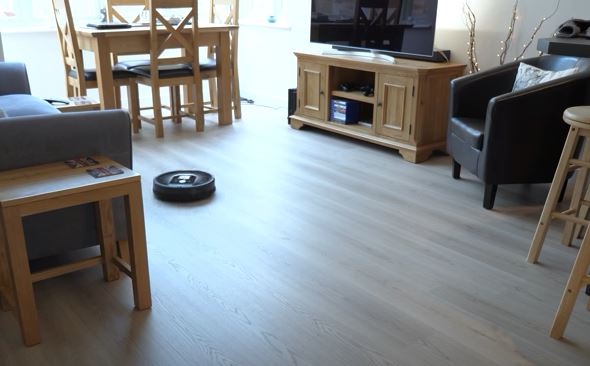
Roomba’s iAdapt technology uses bump sensors and infrared cliff detectors to navigate around furniture and avoid stairs. This sensor-dependent approach means the robot slows when approaching obstacles, adds time to the cleaning cycle, but prevents damage to your belongings. For troubleshooting blocked sensors, consult the Roomba Troubleshooting Guide.
Sensor-Based Navigation and Obstacle Avoidance
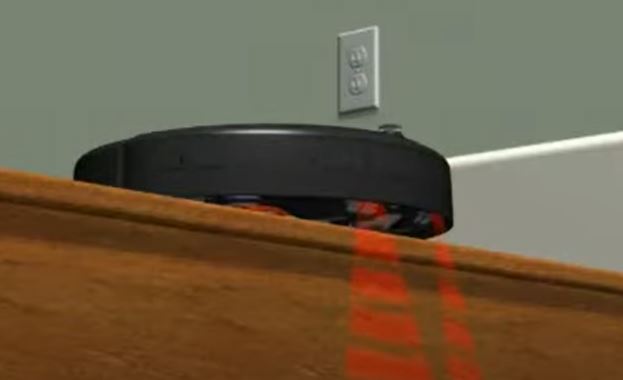
Built-in cliff sensors prevent Roomba from falling down stairs, while dirt detection sensors increase suction and scrubbing time when the robot encounters high-traffic zones. These systems add 15–25% to cleaning duration compared to uninterrupted straight-line vacuuming but ensure thorough results in cluttered spaces.
Carpet Brush Design and Deep Cleaning
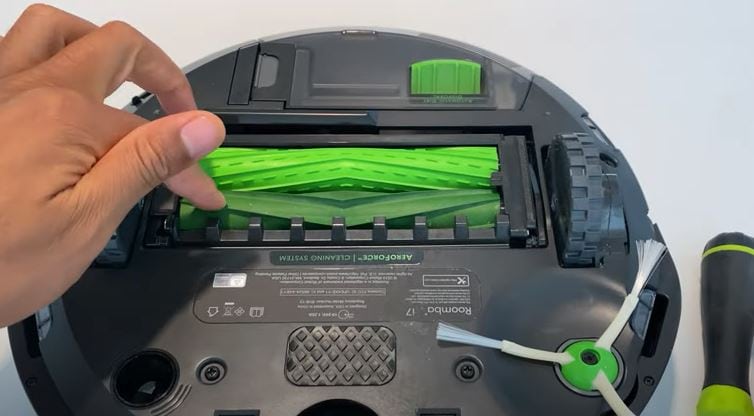
Roomba’s dual multi-surface rubber brushes rotate in opposite directions to agitate carpet fibers and extract embedded dirt—a process requiring more time than hard-floor cleaning but delivering superior results. For optimal performance, maintain your robot vacuum regularly by clearing brushroll debris and emptying the dustbin after each cycle.
Does Roomba Learn the Floor Plan?
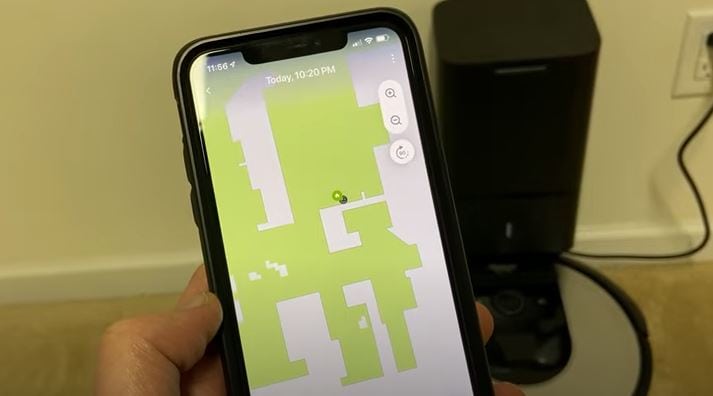
Advanced Roomba models (800 Series and above) use Visual Simultaneous Localization and Mapping (VSLAM) technology to build and memorize floor plans. The robot’s optical sensor identifies ceiling landmarks and wall features, measuring distances between reference points to construct a map during the first few cleaning runs. After 3–5 sessions, the robot applies this learned map for efficient path planning rather than random coverage.
Roomba models with Imprint Smart Mapping store up to 10 unique floor plans, enabling targeted room cleaning on demand. If you notice incomplete floor coverage, clearing pathways and securing loose cables restores optimal navigation performance.
How Long Should the Roomba Run Per Cleaning Cycle?
A properly functioning Roomba delivers 90 to 120 minutes of continuous cleaning on a fully charged battery. Battery degradation reduces runtime— Roomba batteries lose approximately 20% capacity after 400 full charge cycles, which typically occurs within 18–24 months of regular use.
Run time varies based on these factors:
- Floor type: Thick carpets increase cleaning time by 30–40% due to deeper brush agitation requirements
- Room clutter: Excessive furniture or debris causes navigation slowdowns and additional coverage passes
- Battery age: Batteries older than 2 years may deliver only 60–75 minutes per charge
- Dirt detection: High-traffic zones trigger extended scrubbing cycles, adding 10–20 minutes per identified area
If your Roomba runs less than 60 minutes per cycle, troubleshoot battery and performance issues or consider replacement. Most Roomba batteries are rated for 400–600 full cycles before capacity drops below 80% of original specifications.
Quick Reference: Maximizing Roomba Efficiency
- Schedule cleaning sessions when the house is unoccupied to avoid navigation interruptions
- Clear floors of cables, small objects, and pet toys before each cycle
- Empty the dustbin after every 2–3 cleaning cycles for optimal suction
- Clean brushrolls weekly to maintain 95% of original cleaning efficiency
- Replace filters every 2–3 months depending on pet ownership and dust levels
- Allow the robot to complete 3–5 learning cycles before evaluating coverage completeness
While Roomba takes longer than traditional vacuuming to cover the same area, the convenience of autonomous cleaning and the robot’s ability to operate overnight or during work hours makes the trade-off worthwhile for most households.
References
- iRobot Corporation. (2025). Roomba Product Specifications. iRobot Corporation.
- Circana. (2025). North American Robot Vacuum Market Share Report. Circana.


