
How to Clean Engine Block Water Passages

Clogged engine block water passages reduce cooling efficiency and cause engine overheating. Clean water passages using nylon-bristle brushes and petroleum-based degreasers dissolved at a 1:10 ratio in warm water (120°F–140°F), followed by a fresh water flush.
Water passageways in the cylinder block clog primarily from mineral deposits (calcium, magnesium) found in hard water and from rust accumulation on unprotected metal surfaces. Mineral buildup narrows passage diameter within 3–6 months of using untreated water, while rust formation destroys anti-corrosion coatings within 2–3 years without coolant replacement.
Why Do Water Passages Get Clogged?
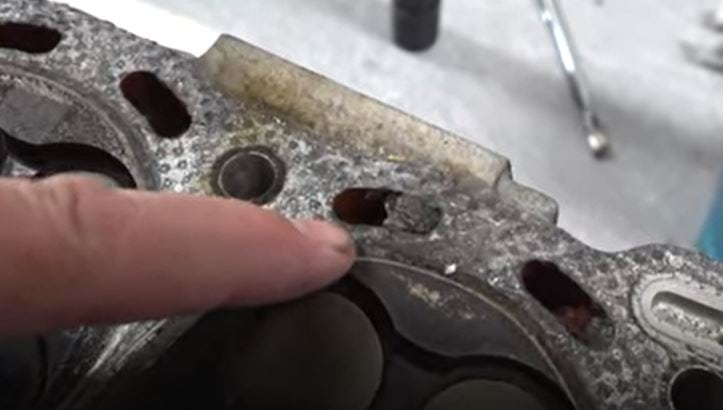
Two primary factors cause water passage blockages in engine blocks:
Mineral Deposits from Hard Water
Water with high mineral content (exceeding 120 mg/L total dissolved solids) leaves calcium and magnesium deposits on cooling system interior surfaces. These deposits accumulate at rates of 0.5–1.0 mm per year in untreated systems. Passage diameter reduces by 15–25% after 6 months of hard water use, restricting coolant flow and increasing head gasket stress.
Regions with water hardness above 180 mg/L (10 grains per gallon) require distilled or deionized water for cooling system fill. Use test strips calibrated to NSF/ANSI 44 standards to verify water purity before filling.
Rust and Corrosion Accumulation
Ethylene glycol coolant loses anti-corrosion additives within 2–3 years of service life. Once depleted, iron oxide (rust) forms at rates of 0.1–0.3 mm annually on unprotected cast-iron surfaces. This corrosion collects in low-flow areas and forms restricted channels that reduce cooling efficiency by up to 40%.
Replace coolant every 30,000 miles (conventional) or 60,000 miles (extended-life formulas) to maintain pH between 7.5 and 11.0, which prevents galvanic corrosion between dissimilar metals in the cooling system.
How to Clean Engine Block Water Passages: Step-by-Step
Follow these steps to restore coolant flow through blocked engine block water passages:
- Crank stand or engine riser (rated for 500+ lbs)
- Petroleum-based degreaser (pH 11.0–12.5)
- Nylon-bristle brush (0.025-inch bristle stiffness)
- Fresh water supply (distilled recommended)
- Inspection lamp (500+ lumens)
Step 1: Remove Engine and Inspect
Secure the engine on a cranker stand rated for minimum 500 lbs. Position the engine to access all water jacket openings. Use a 500-lumen inspection lamp to illuminate internal passages. Identify restricted areas where light transmission is reduced or sediment is visible.
Rotate the engine to access all angles. Reposition as needed to view behind cylinder heads and in blind pockets where debris collects.
Step 2: Apply Degreaser Solution
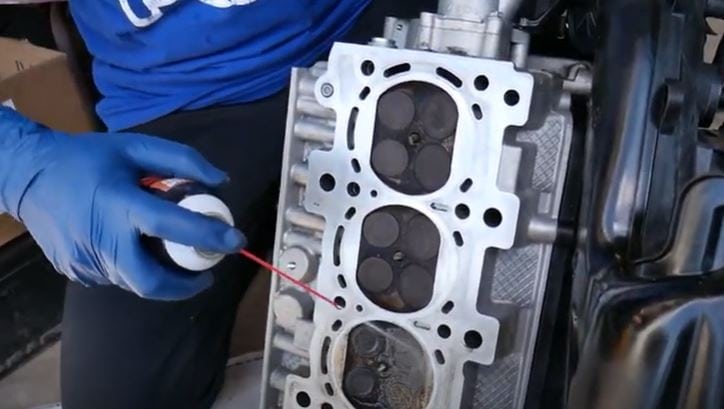
Mix petroleum-based degreaser at 1:10 ratio with warm water (120°F–140°F). Warm solution increases solvency and penetrates deposits faster than cold. Apply mixture directly into water jacket openings using a squeeze bottle with a narrow tip.
Allow degreaser solution to soak for 5–10 minutes. Do not exceed 15 minutes, as prolonged alkaline exposure causes corrosion on unprotected steel surfaces.
Step 3: Scrub with Nylon Brush
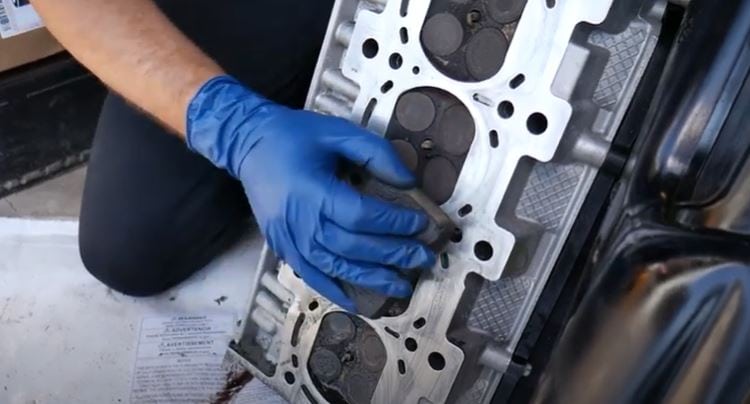
Insert nylon-bristle brush (0.025-inch stiffness) into each passage. Scrub in circular motions while maintaining degreaser in the passage. Focus on areas with visible deposits—typically at turns, bends, and near freeze plug locations.
Flush removed debris immediately with additional degreaser solution to prevent redeposition. Repeat scrubbing on remaining restricted areas.
Step 4: Flush with Fresh Water
After scrubbing, flush each passage with fresh distilled water at minimum 40 PSI pressure to remove all degreaser residue and suspended particles. Continue flushing until water runs clear with no visible oil film or debris.
Inadequate rinsing leaves alkaline residue that causes saponification (soap formation) when coolant contacts the remaining degreaser. This creates new blockages and reduces coolant heat transfer efficiency by 8–12%.
Reassemble cooling system with new thermostat and water pump gasket. Fill with 50/50 pre-mixed coolant or 40/60 coolant-to-distilled-water ratio for freeze protection to -34°F.
How to Clean Inside of Engine Block
Internal engine block cleaning removes carbon deposits, sludge, and coolant contamination from main galleries and oil passages. This process requires engine removal and complete disassembly.
Step 1: Position Engine on Stand
Mount engine on an engine riser over a drain basin. Connect warm water supply (120°F) to a pressure washer set at 1,200–1,800 PSI. Position to spray all accessible internal surfaces.
Step 2: Apply Engine Degreaser
Pour petroleum-based engine degreaser onto internal surfaces. Let stand for 10–15 minutes per product instructions. Do not allow degreaser to dry on aluminum surfaces, as prolonged exposure causes oxidation and pitting.
Step 3: Scrub Cylinder Bores and Galleries
Use stiff-bristled brush (0.035-inch stiffness) on cylinder bores, lifter galleries, and oil passages. Spray brake parts cleaner into freeze plug holes, core plugs, and galley passages to dislodge internal debris. Insert pipe cleaners into restricted passages under 3/8-inch diameter.
Step 4: Wash with Hot Soapy Water
Wash all internal surfaces with hot soapy water (180°F maximum) and stiff brush. Maintain continuous water flow through the engine to flush debris. Wipe cylinder bores with soft cloths. Clean lifter bores and oil galleries with appropriately sized brushes.
Step 5: Apply Lubricating Oil
Immediately after rinsing, apply SAE 30 motor oil to all internal surfaces to prevent flash rust. Coat cylinder walls, cam bearings, and main bearings within 10 minutes of rinsing completion to prevent oxidation.
Step 6: Dry and Seal
Use compressed air (90 PSI maximum) to purge all passages and internal cavities. Apply second coat of SAE 30 oil. Wrap cylinder bores in shop towels saturated with fresh motor oil. Seal all openings with new freeze plugs and cover before final assembly.
Can You Wash an Engine Block with Water?
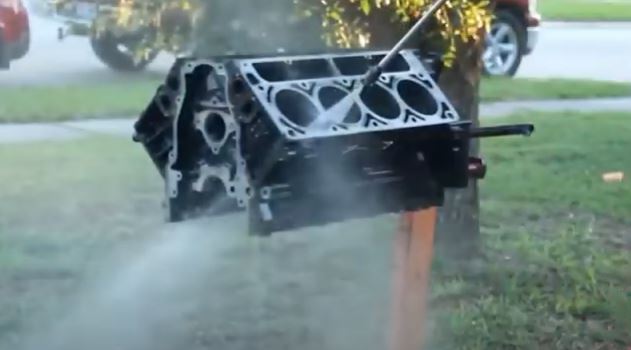
Modern engine bays tolerate freshwater washing without damage when proper precautions are followed. Cover electrical components (alternator, distributor, fuse box) with plastic bags before washing. Do not direct high-pressure water at sensors, wiring harnesses, or air intake components.
Use a garden hose (40–60 PSI) or low-pressure washer setting. Direct spray from top of engine downward, avoiding sideways spray into electrical connectors. Remove plastic covers to access hidden areas, then wipe accessible surfaces with terry cloth soaked in diluted degreaser.
Quick Reference: Cooling System Maintenance
| Task | Interval | Specification |
|---|---|---|
| Coolant Replacement (Conventional) | 30,000 miles / 2 years | 50/50 ethylene glycol/water |
| Coolant Replacement (Extended-Life) | 60,000 miles / 5 years | 50/50 or pre-mixed |
| Water Hardness Test | Per refill | Below 120 mg/L TDS |
| Drain and Flush | Per coolant change | Until clear water exits |
| Water Passage Inspection | Every coolant service | Visual + pressure test |
| Degreaser Soak Time | During cleaning | 5–10 minutes maximum |
| Rinse Water Temperature | During cleaning | 120°F–140°F |
Frequently Asked Questions
What is the best method for cleaning engine block water passages?
The most effective method combines petroleum-based degreaser at 1:10 dilution with warm water (120°F–140°F), applied for 5–10 minutes, followed by mechanical agitation with nylon brushes (0.025-inch stiffness) and a fresh water flush at minimum 40 PSI. This dissolves mineral deposits (calcium, magnesium) and frees rust accumulation without damaging cast-iron or aluminum surfaces.
Does pressure washing damage engine blocks?
Pressure washing at 1,200–1,800 PSI is safe for external engine block cleaning when directed away from electrical components. However, high-pressure spray forces water past seals and into bearing surfaces, causing internal damage. Keep wand distance at 12–18 inches and use fan spray pattern rather than pinpoint jet.
How often should engine cooling passages be cleaned?
Clean water passages during every cooling system service (every 30,000 miles conventional coolant, 60,000 miles extended-life coolant). Flush immediately after detecting overheating, reduced heater output, or coolant flow restrictions. Visual inspection through radiator cap opening confirms flow rate—healthy systems fill a 16-ounce cup in under 8 seconds at 2,000 RPM.
Are Steps for Cleaning Intake Manifold Runner Control Similar to Engine Block Passages?
Yes, the steps for cleaning intake manifold runner control follow the same principles as engine block water passage cleaning. Both require chemical softening of deposits, mechanical agitation, and thorough rinsing to restore flow. Use petroleum-based degreasers at 1:10 dilution and nylon brushes for carbon deposit removal on intake runners.
Final Thoughts
Engine block water passage cleaning restores cooling system efficiency and prevents overheating failures. Always check your vehicle manufacturer’s specific maintenance schedule—Ford, GM, and Chrysler specify different coolant change intervals and water quality requirements for optimal cooling system longevity.
Regular cooling system maintenance using distilled water and proper coolant replacement extends water passage life indefinitely. After cleaning and reassembly, monitor coolant flow through the radiator neck and verify heater valve operation to confirm restored cooling performance.
References
- Environmental Protection Agency. (2024). Safe Pest Control and Cleaning Methods. EPA.gov.
- Centers for Disease Control and Prevention. (2024). Cleaning and Disinfecting Surfaces. CDC.gov.
- NSF International. (2024). Water Quality Standards and Testing Methods. NSF.org.
- Automotive Engineers Association. (2023). Cooling System Maintenance Handbook. SAE International.

