

How to Store Vacuum Cleaner?

Choosing where to store a vacuum cleaner depends on three factors: how often you vacuum, the vacuum type, and the available space in your home. Most households vacuum one to three times per week, which means accessibility matters more than concealment. The vacuum type dictates storage dimensions—robot vacuums measure 12–14 inches in diameter and fit under furniture, while upright vacuums stand 28–45 inches tall and require closet or mudroom space.
This guide covers storage solutions for every vacuum type and helps you select the best option based on your floor plan and vacuuming habits.
Key Factors That Determine Vacuum Storage
Before choosing a storage spot, evaluate these four variables. They determine whether a location works for your specific situation.
Vacuuming Frequency
How often you vacuum directly dictates where to store your vacuum cleaner. Households that vacuum daily or several times per week need instant access—a garage or basement storage area creates unnecessary trips. For frequent vacuuming, store your unit in a high-traffic area such as a hall closet, mudroom, or beneath a kitchen sink.
Households that vacuum biweekly or monthly can designate farther storage locations, including a garage, basement, or utility room. The general guideline: store the vacuum no more than one room away from the areas you vacuum most.
Available Floor Space
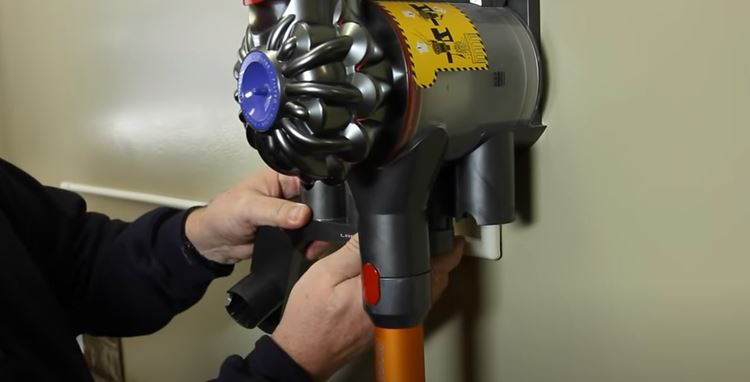
Small apartments and studios benefit from wall-mounted storage or multi-purpose furniture. Homes with dedicated laundry rooms, mudrooms, or large closets have more flexibility. Measure your available clearance—under-bed storage requires at least 6–8 inches of clearance, while wall hangers need solid wall studs for secure mounting.
Apartment layouts without a broom closet or laundry room require creative solutions. Wall hangers, over-the-door organizers, and under-bed storage work well in space-constrained environments. Always account for the vacuum’s fully assembled dimensions, not just its collapsed size.
Safety Considerations
Vacuum storage must protect both the unit and household members. Canister vacuums stored on wall hangers require reinforced mounting—these units typically weigh 15–25 pounds when full. A fall from height risks injury and damage. For homes with toddlers or curious pets, store vacuums behind closed doors or in latched cabinets.
Cord safety matters too. Wrap cords neatly to prevent kinking and cover exposed plugs to avoid dust accumulation and potential shock hazards. Cordless models should be stored with empty collection bins to prevent mold and odor buildup in the canister or dust bag.
Vacuum Size and Type
The vacuum’s physical dimensions and design determine its storage requirements. Portable models—handheld and robot vacuums—fit in drawers, under furniture, or on shelves. Full-size canister and upright vacuums need dedicated floor space or wall storage. Cordless stick vacuums offer the most flexibility, often standing upright in corners or mounting on walls with minimal footprint.
Consider storage dimensions before purchasing a new vacuum. A vacuum with a 12-inch diameter canister requires different clearance than a 24-inch model. Measure your intended storage area and compare it against the vacuum’s specifications.
Storage Solutions by Vacuum Type
Upright Vacuum Storage
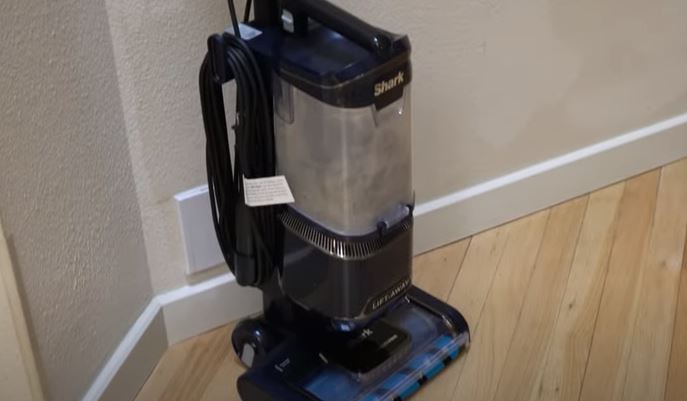
Upright vacuums stand 28–45 inches tall and typically measure 12–15 inches wide. Their vertical design stores best in closets with floor space, laundry rooms, or mudrooms. A dedicated vacuum storage closet with a door keeps the unit out of sight and protects it from dust.
If closet space is unavailable, use a floor-based vacuum stand or caddy. These units position the vacuum upright on wheels, allowing you to roll it in and out of a corner. Some models include accessory storage for brushes and attachments.
Wall mounting upright vacuums is possible with specialized brackets, but verify the wall structure can support the weight—most upright vacuums weigh 12–20 pounds without a full dust bin.
Robot Vacuum Storage and Charging
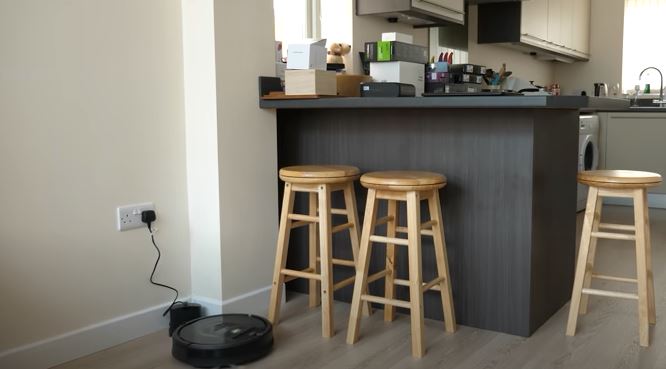
Robot vacuums measure 12–14 inches in diameter and 3–4 inches in height, making them the easiest to store. The ideal location is a low-profile spot near a power outlet—the charging dock needs clearance of at least 3 feet on each side and 4 feet of overhead space for the robot to navigate.
Popular charging spots include under consoles, TV stands, or desks. Some robot vacuums, like the Dreame D9 and iRobot Roomba s9+, feature intelligent mapping that guides the unit back to its dock autonomously.
When storing a robot vacuum long-term (more than a month), clean the brushes, empty the dust bin, and remove the battery if possible. Store the battery at 40–60% charge in a temperature-controlled environment between 50–77°F (10–25°C).
Canister Vacuum Storage
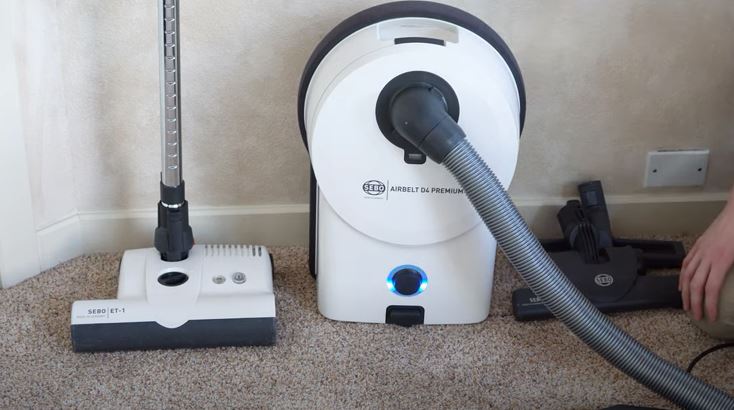
Canister vacuums consist of a compact power head (typically 18–24 inches wide) connected to a separate canister via a flexible hose. The two-piece design allows for more flexible storage—the canister tucks into tight spaces while the power head needs a dedicated spot.
Common storage spots include the back of closets, under beds (if the canister is 12 inches or shorter), or in garage shelving. The canister’s wheeled design allows it to slide under beds with 6+ inches of clearance.
Many users store canister vacuums behind bedroom doors, in dedicated vacuum closets, or in laundry rooms. Avoid placing heavy objects on top of the canister, as this can damage the body’s structural integrity and the internal filtration system.
Handheld Vacuum Storage
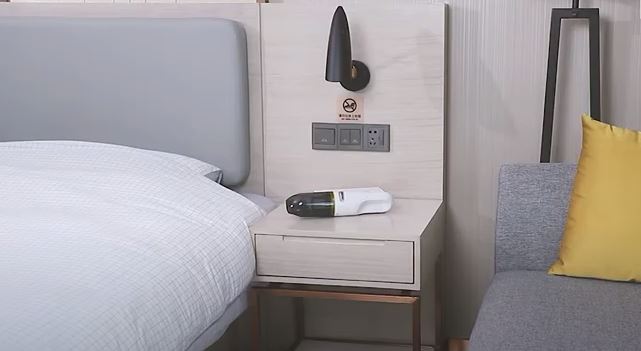
Handheld vacuums range from 6-inch portable units to 18-inch car vacuum models. The smallest models fit in kitchen drawers, glove compartments, or toolboxes. Larger handheld units store in coat closets, cleaning supply cabinets, or on open shelving.
Store handheld vacuums with fully charged batteries when possible. If the unit uses removable lithium-ion batteries, remove and store the battery separately at 40–60% charge. This extends battery lifespan and prevents deep discharge damage.
Under-sink storage works for many handheld models, but ensure the area is dry. Moisture damages vacuum motors and corrodes electrical contacts. A silica gel desiccant packet in the storage area helps prevent humidity damage.
Cordless Stick Vacuum Storage
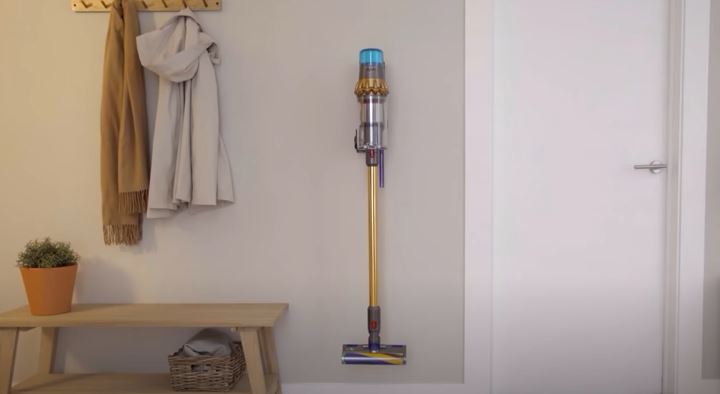
Cordless stick vacuums stand 24–46 inches tall and often include wall-mounting brackets or freestanding charging docks. Their vertical design makes them suitable for storage in corners, utility closets, or mounted on walls in garages and mudrooms.
Lithium-ion battery care is critical for cordless vacuums. Store at room temperature (68–77°F / 20–25°C) and avoid locations that experience temperature swings, such as garages or cars. Extreme cold reduces battery capacity; excessive heat accelerates degradation. The optimal storage charge level is 40–60%—never store fully discharged or fully charged for extended periods.
If your cordless vacuum includes a removable battery pack, store it separately. Check the battery every 2–3 months and recharge to 40–60% if the charge drops below 20%. Most lithium-ion batteries last 3–5 years with proper care, according to battery manufacturer guidelines.
Recommended Storage Locations by Room
| Room | Best Vacuum Types | Storage Method |
|---|---|---|
| Mudroom | Upright, Canister, Cordless | Wall mount, floor stand |
| Laundry Room | All types | Floor stand, shelving, closet |
| Hall Closet | Cordless, Handheld, Robot | Wall mount, shelf, charging dock |
| Kitchen | Handheld, Robot | Drawer, under sink (dry), countertop |
| Under Bed | Robot, Canister, Cordless | Freestanding, dock placement |
| Garage | Canister, Cordless | Shelving, wall mount (climate-controlled) |
Closet Storage Tips
Reserve a specific shelf or floor section for vacuum storage. Keep attachments and accessories in a labeled bin or mesh bag to prevent loss. If using a shared closet, position the vacuum near the door for easy access without disturbing other stored items.
Wall-Mounted Storage
Wall hangers work well for cordless stick vacuums, handheld models, and lightweight canister units. Mount into wall studs using the provided hardware—anchoring into drywall alone risks the vacuum falling. For heavier upright vacuums, use reinforced mounting plates or dedicated floor stands.
Quick Reference: Vacuum Storage Checklist
- Empty dust bin or replace bag before storage
- Clean brushes and remove tangled hair or debris
- Wipe down the exterior with a damp cloth
- Store lithium-ion batteries at 40–60% charge
- Keep batteries at room temperature (50–77°F / 10–25°C)
- Verify cord is wrapped neatly without kinks (corded models)
- Ensure storage location is dry and ventilated
- Verify mounting hardware is secure for wall-mounted storage
Final Thoughts on Vacuum Storage
Vacuum storage planning should begin before purchasing a new vacuum, not after. The vacuum’s dimensions and weight determine whether it fits your available space—a canister vacuum that works in a 2,000-square-foot home may be impractical for a 600-square-foot studio.
The most common and accessible storage locations are hall closets, mudrooms, and laundry rooms. However, the best location depends on your vacuuming frequency, household layout, and the vacuum type. Experiment with placement until you find a spot that provides easy access, adequate protection, and safe storage for all household members, including children and pets.
For more guidance on selecting the right vacuum for your home, explore the Vacuum Troubleshooting Master Hub or browse the Cleaning Glossary for terminology and specifications.


