
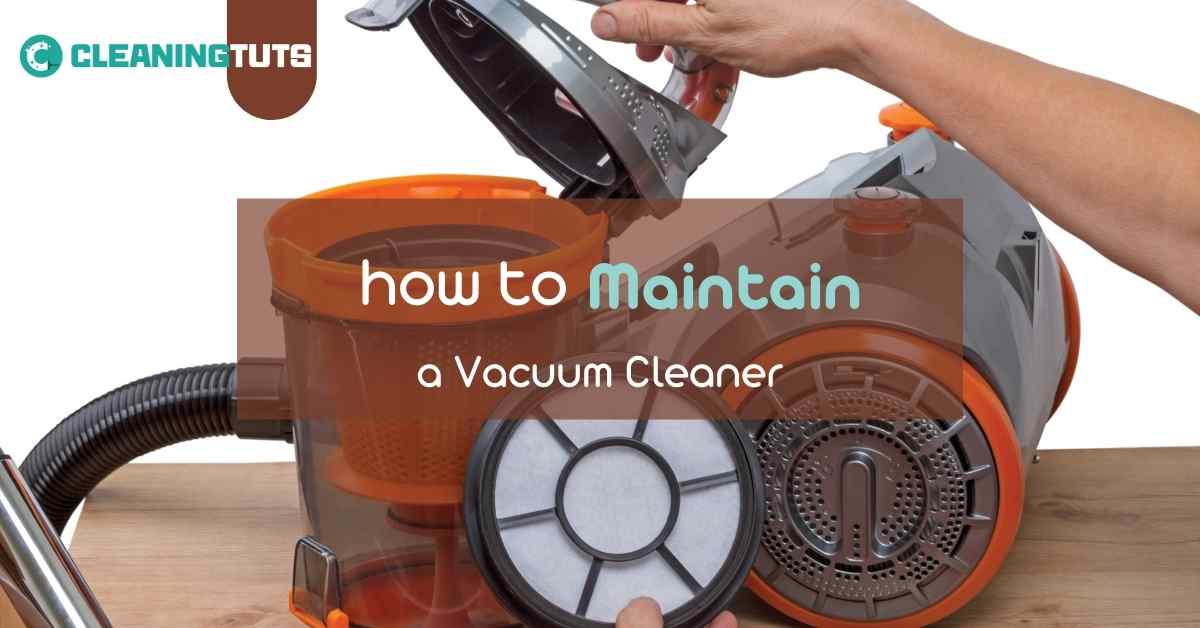
How to Maintain Vacuum Cleaner

Regular vacuum cleaner maintenance extends appliance lifespan by 2–3 years and maintains suction power at optimal levels (typically 150–200 air watts for upright models). This guide covers essential maintenance tasks including filter replacement every 6–12 months, brush roll cleaning every 2–4 weeks, and belt inspection every 3–6 months.
Essential Vacuum Cleaner Maintenance Tasks
Empty Your Vacuum Cleaner Canister
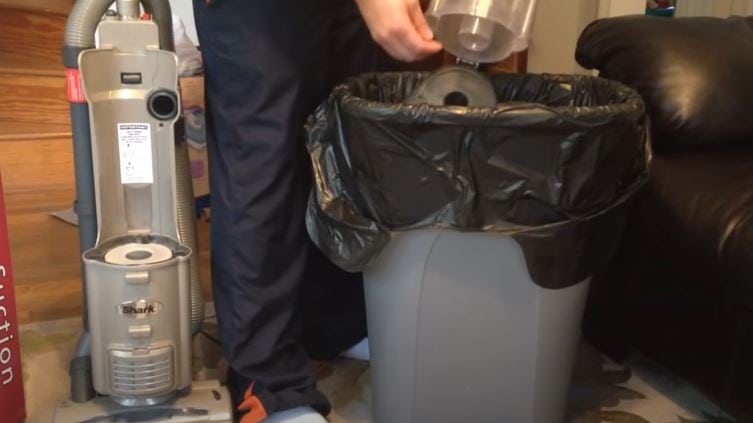
Empty the canister when it reaches 75% capacity to maintain maximum suction power. A full canister reduces suction by up to 40% and causes debris to accumulate in air passages, leading to foul odors from bacterial growth in moist debris.
Overfilled canisters block airflow, forcing the motor to work harder and reducing suction power from an optimal 150–200 air watts to as low as 60–80 air watts. This strain shortens motor lifespan and increases energy consumption.
Clean or Replace Your Filters
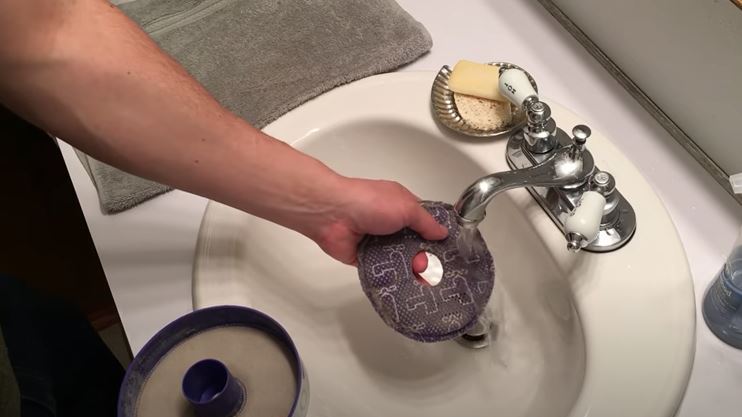
HEPA filters capture 99.97% of particles at 0.3 microns and require replacement every 6–12 months depending on usage frequency. Foam pre-filters should be cleaned monthly and replaced every 3–6 months. Non-washable filters must be replaced—washing damages the electrostatic charge that traps microscopic particles.
Neglecting filter maintenance reduces filtration efficiency, allowing dust and allergens to recirculate into indoor air. According to the EPA, clogged HVAC filters can increase energy costs by 5–15%—the same principle applies to vacuum cleaners.
Lubricate Moving Parts
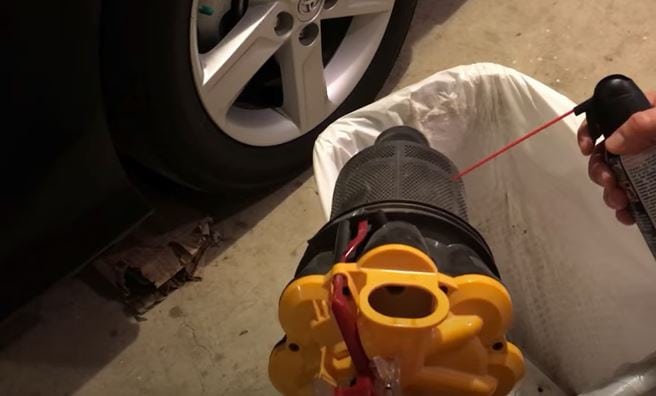
Lubricate brush roll bearings, wheel assemblies, and swivel heads every 3–6 months using manufacturer-specified lubricant. For cordless vacuums, apply lubricant to the brush roll shaft every 2–3 months to prevent seized bearings that cause the brush to stop rotating.
Dry or seized bearings increase friction, causing the brush roll to draw 15–25% more power and reducing cleaning effectiveness on carpets and rugs.
Clean the Brush Roll
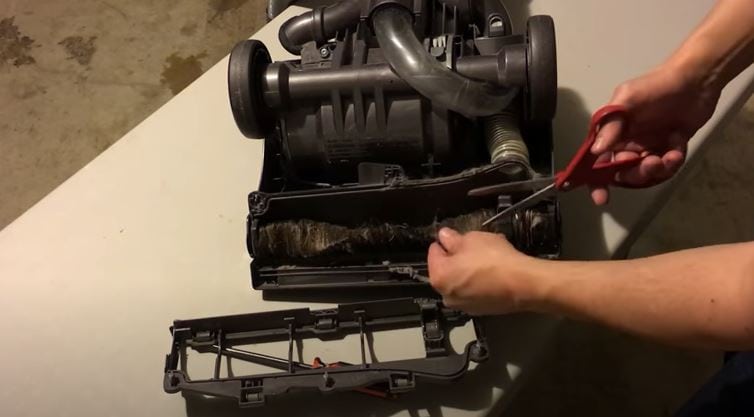
Remove tangled hair and debris from the brush roll every 2 weeks in households with pets, or every 4 weeks in pet-free homes. Accumulated debris wraps around the brush roll cylinder, preventing bristles from contacting the surface and reducing carpet cleaning efficiency by up to 50%.
Use scissors to cut tangles lengthwise along the brush roll, then pull debris away from bristles. For best results, clean the brush roll after each use in homes with shedding pets.
Perform Monthly Routine Inspections
Inspect the vacuum monthly for cracks in the housing, tears in hoses, and damage to the power cord. Check the base plate for scratches that may indicate debris has been vacuumed (such as small stones or metal fragments).
Early detection prevents minor damage from escalating. A cracked hose develops leaks that reduce suction by 20–30%, while cord damage creates fire and shock hazards.
Repair or Replace Damaged Parts Promptly
Replace damaged parts immediately—continuing to use a vacuum with worn components damages adjacent parts. A damaged belt shreds and contaminates the brush roll bearing, converting a $5 belt replacement into a $40+ brush roll repair.
Common DIY repairs include belt replacement, brush roll cleaning, and hose unclogging. For motor issues, capacitor failures, or electrical problems, consult a certified appliance repair technician.
Inspect and Replace the Vacuum Belt
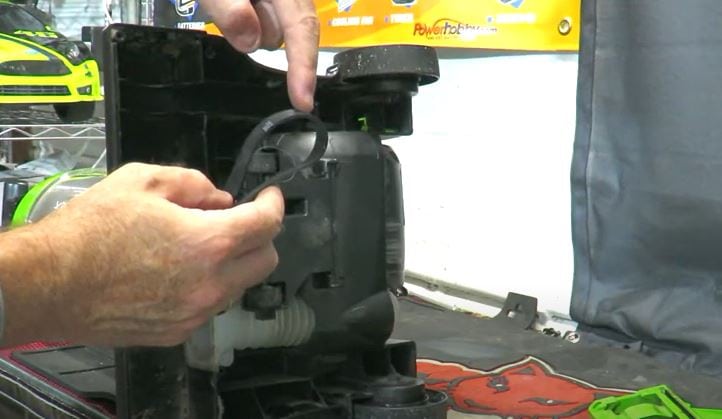
Inspect the belt every 3–6 months for cracks, stretching, or glazing. Belts lose elasticity after 6–12 months of use and require replacement. A stretched belt slips, causing the brush roll to spin at reduced RPM and decreasing carpet agitation by 30–40%.
Signs of belt wear include a high-pitched squealing noise when the brush roll engages and reduced pickup on low-pile carpets. Replace belts every 6–12 months as preventive maintenance, not just when symptoms appear.
Clear Clogged Air Passages
Check nozzles, hoses, the UV telegraphic tube (if equipped), and filter housings monthly for debris accumulation. Use a flashlight to inspect interior passages, and clear blockages with a flexible brush or compressed air at 30–40 PSI.
Clogged air passages reduce suction from optimal levels to below 50% capacity, forcing the motor to overheat. Persistent overheating shortens motor lifespan by 1–2 years.
Vacuum Maintenance Schedule Summary
| Task | Frequency |
|---|---|
| Empty canister | When 75% full |
| Clean foam pre-filter | Monthly |
| Clear brush roll tangles | Every 2–4 weeks |
| Lubricate moving parts | Every 3–6 months |
| Inspect hose, housing, cord | Monthly |
| Replace HEPA filter | Every 6–12 months |
| Replace vacuum belt | Every 6–12 months |
Conclusion
A vacuum cleaner costs $150–$400 on average, and a consistent maintenance routine extends its service life to 8–10 years while maintaining peak suction performance. Regular maintenance costs under $30 per year in replacement parts and prevents costly repairs.
Effective vacuum maintenance involves cleaning components regularly, replacing wear parts on schedule, and addressing damage promptly. For specialized models such as robot vacuums or commercial-grade units, follow manufacturer-specific service intervals from your Vacuum Troubleshooting Master Hub.
References
- U.S. Environmental Protection Agency. (n.d.). Indoor Air Cleaning Devices. EPA.
- Consumer Product Safety Commission. (n.d.). Vacuum Cleaner Safety. CPSC.


