
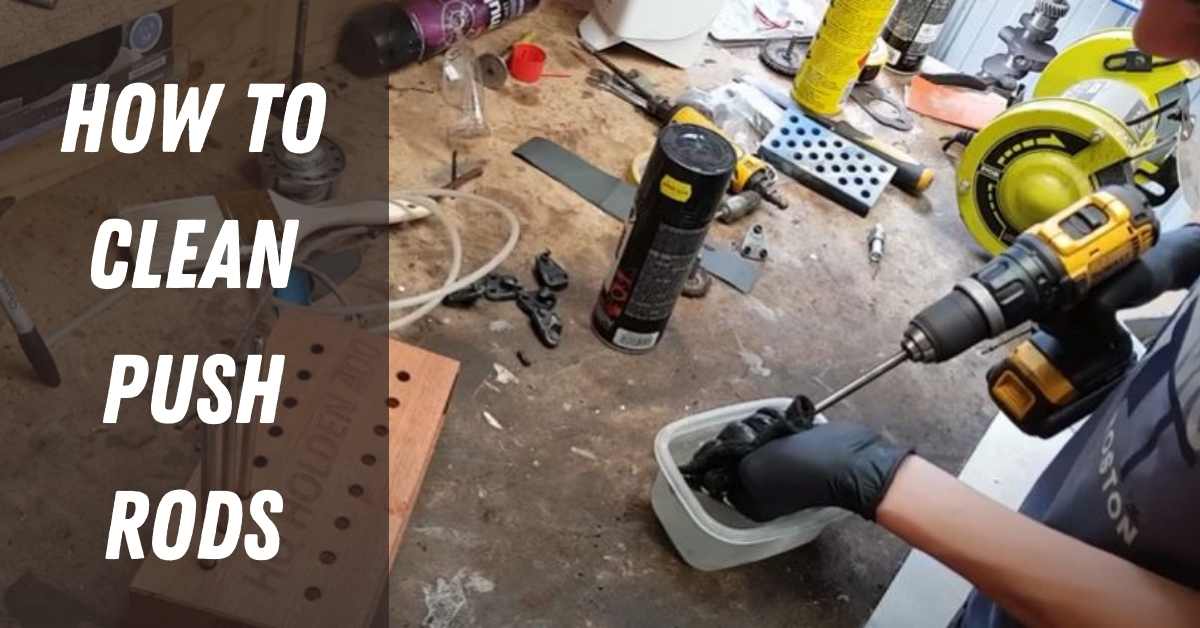
How to Clean Push Rods

Pushrods are critical engine components that transmit valve motion in overhead cam and pushrod-style engines. Contaminated pushrods—coated with degraded oil, carbon deposits, and combustion byproducts—directly reduce hydraulic valve adjustment precision and can cause ticking lifter noise, reduced compression, and accelerated wear on cam lobes. Cleaning pushrods with brake cleaner degreaser and hot water soaking removes contaminated oil films at the molecular level, restoring proper surface lubrication and valve train geometry.
Cleaning pushrods requires brake cleaner degreaser applied liberally to dissolve carbonized oil, followed by a 15-20 minute soak in water heated to 140-160°F (60-71°C) to thermal-cleanse residual solvents, then thorough drying before reinstallation.
Pushrod Cleaning Procedure: Step-by-Step
Step 1: Safety Preparations
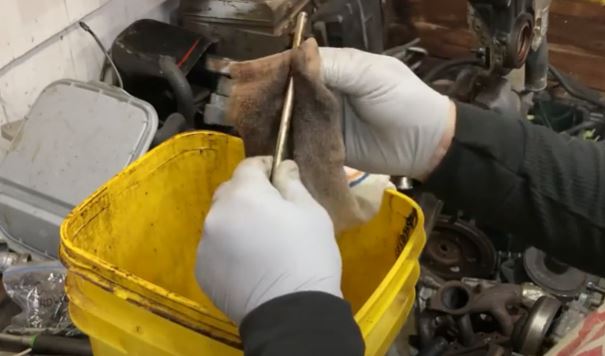
Engine cleaning involves petroleum distillates and solvent chemicals that require proper ventilation—at minimum 4 air exchanges per hour in the workspace—and personal protective equipment. Wear chemical-resistant nitrile gloves (not latex, which degrades within 2-3 minutes of brake cleaner contact), safety goggles with side shields, and work in a well-ventilated area or use a shop vacuum exhaust system to remove solvent vapors. Remove all jewelry and secure loose clothing before beginning.
Step 2: Apply Brake Cleaner Degreaser
Apply brake cleaner directly to the pushrod surface at a distance of 6-8 inches using the included spray wand. Brake cleaners are formulated with heptane and acetone-based solvents that dissolve petroleum oils at the molecular level within 30-60 seconds of contact. Apply in a well-ventilated area—brake cleaner VOC content ranges from 400-600 g/L depending on formulation. Avoid oversaturation; a thin, even coating dissolves carbon deposits more effectively than flooding the part, which causes hazardous solvent pooling.
Step 3: Hot Water Soak and Thermal Cleaning
After degreaser application, soak the pushrod head in water heated to 140-160°F (60-71°C) for 15-20 minutes. This temperature range activates residual surfactant agents in the brake cleaner while the water thermal-cleans solvent residue from machined surfaces. Do not exceed 180°F (82°C)—boiling water creates steam hazards and can cause thermal deformation of precision-ground pushrod ends. After soaking, rinse thoroughly with clean water to remove all solvent and oil residue.
Step 4: Drying and Inspection
Dry the pushrod using compressed air at 40-60 PSI directed into all recessed areas and oil passages. Supplement with a microfiber wipe for exterior surfaces. Allow air-drying for an additional 5-10 minutes in front of a fan to eliminate trapped moisture. Never use open flame or high-heat drying methods—exposure to temperatures above 200°F (93°C) causes metal fatigue and reduces pushrod tensile strength by up to 15% according to ASTM A354 standards. Inspect the pushrod for pitting, scoring, or surface irregularities before reinstallation.
Pushrod Reuse: When Replacement Is Mandatory
Pushrods are reusable only when inspection reveals no visible wear patterns, pitting, or dimensional deviation. Reusing worn pushrods causes catastrophic valve train failure—the eroded surface creates debris particles that enter the oil gallery, blocking hydraulic lifter passages and starving cam lobes of lubrication. If pushrod reuse is unavoidable due to budget constraints, clean with carbon remover solvent (not standard brake cleaner) and measure diameter with a micrometer at three points along the shaft. Replace immediately if deviation exceeds 0.001 inches (0.025mm) from specification.
Pushrod head reuse is permissible—the head experiences different load dynamics than the shaft and shows wear more slowly. However, reuse of the entire pushrod assembly after any contamination event introduces metallic debris into the valve train that accelerates cam lobe wear at a rate of 0.002 inches per 10,000 miles of operation.
Rocker Arm and Lifter Cleaning Specifications
Cleaning rocker arm assemblies requires the same solvent-based approach but with attention to precision-machined pivot surfaces. Use kerosene at a 10% dilution with mineral spirits for delicate aluminum rocker arms—this reduces surface tension and prevents residue filming on hydraulic adjuster sockets. For steel rocker arms, full-strength brake cleaner is acceptable with a 5-minute maximum contact time to prevent base metal oxidation.
| Component | Cleaner Type | Contact Time | Soak Temperature |
|---|---|---|---|
| Steel Pushrods | Brake Cleaner (full strength) | 30-60 seconds | 140-160°F (60-71°C) |
| Aluminum Rocker Arms | Kerosene (10% dilution) | 5 minutes maximum | 120°F (49°C) |
| Hydraulic Lifters | Brake Cleaner (full strength) | 2-3 minutes | Room temperature |
| Carbon Deposits | Carbon Remover Solvent | 10-15 minutes | 180°F (82°C) |
Liftery Cleaning with Brake Cleaner
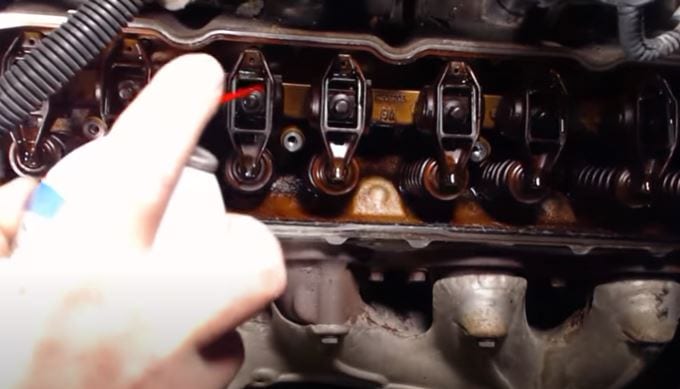
Brake cleaners dissolve petroleum-based contaminants on hydraulic lifters within 2-3 minutes of contact. The solvent penetrates oil passages and dissolves varnished deposits that cause lifter chatter and collapsed follower syndrome. Use brake cleaner with a flash point above 105°F (40°C) for safer indoor use—low-flash formulations ignite more readily in enclosed spaces.
Lifter Cleaning Procedure
- Remove the rocker arm assembly and extract the lifter from its bore
- Scrap the gasket material from the lifter body using a nylon scraper—metal tools scratch the precision-ground surface and create debris
- Apply brake cleaner liberally and allow 2-3 minutes of contact time for solvent penetration
- Soak in room temperature clean solvent for 5 minutes, then rinse with fresh brake cleaner
- Dry with compressed air and apply fresh engine oil to all moving surfaces before reinstallation
Pushrod Rotation: Hydraulic and Mechanical Causes
Pushrod rotation in a properly functioning engine indicates specific mechanical conditions. The three primary causes are:
Hydraulic Pumping Action
When brake pressure activates the master cylinder, hydraulic pressure transmits through the system at 800-1200 PSI in most passenger vehicles, causing transitional plate movement in the caliper that rotates the pushrod slightly with each brake application. This is normal function—rotation distributes lubricant evenly across the pushrod face.
Excessive Lubricant Application
Over-lubrication of the pushrod guide and rocker assembly creates a hydrodynamic film that allows unintended rotation. Apply lubricant at 0.5-1.0 cc per joint—excess oil migrates to the lifter face and causes the pushrod to spin freely, preventing proper valve actuation timing.
Incorrect Assembly Lubricant Viscosity
Assembly lubricants with viscosity below 5W-30 at operating temperature create insufficient film strength to prevent rotation. Use manufacturer-specified assembly lube (typically 10W-40 or SAE 50 weight for high-pressure applications) to maintain pushrod positional integrity during break-in.
Stainless Steel Step Bars vs Push Rods: Cleaning Comparison
While the underlying principle—removing contaminants from metal surfaces—applies to both stainless steel automotive accessories and engine pushrods, the cleaning agents and methods differ significantly due to material composition and functional requirements. Stainless steel step bars respond to mild soap and water, stainless steel cleaner, or white vinegar for light duty cleaning. Pushrods require aggressive solvent-based degreasers because petroleum contamination bonds at the molecular level under engine operating temperatures of 200-250°F (93-121°C). For more on stainless steel care, see our stainless steel step bar cleaning guide.
Conclusion
Pushrod cleaning restores valve train precision by removing carbonized oil and combustion deposits that compromise hydraulic adjustment. The process—brake cleaner application, hot water soak at 140-160°F (60-71°C), and thorough drying—takes 30-45 minutes total and requires only basic PPE. Budget constraints may justify pushrod reuse when inspection reveals no dimensional deviation, but replacement is the only certainty for long-term engine reliability. For professional-grade results, consult a mechanic or visit an automotive specialist familiar with your specific engine configuration.
References
- ASTM International. (2023). Standard Specification for Quenched and Tempered Alloy Steel Bolts (ASTM A354). ASTM International.
- U.S. Environmental Protection Agency. (2024). Safer Choice Standard for Cleaner Formulations. EPA.
- Kalakian, J. & Mangus, M. (2021). Automotive Engine Design and Operation (4th ed.). Cengage Learning.

