
How to Clean A Thompson Center Black Diamond Muzzleloader

Key Specifications Quick Reference
| Parameter | Value |
|---|---|
| Water temperature for neutralization | 180°F–200°F (82°C–93°C) |
| Black powder residue pH | 8.5–9.0 |
| Neutralization time (hot water) | Under 5 minutes |
| Pre-saturated patch dwell time (room temp) | 15–20 minutes |
| Breech plug soak time | 10–15 minutes |
| Fire channel brush time | 20–30 seconds |
| Anti-seize grease temperature rating | 1800°F (982°C) |
| Bore oil film thickness | 0.002–0.005 inches |
| Humidity threshold for accelerated corrosion | 60% relative humidity |
| Time to visible rust without cleaning | 48–72 hours |
References
- National Park Service. (n.d.). Black Powder Firearms Safety and Cleaning. National Park Service. Retrieved from nps.gov.
- Thompson Center Arms. (n.d.). Thompson Center Black Diamond Owner’s Manual. Thompson Center Arms Corporation.
- U.S. Army. (2019). Technical Bulletin 9-1300-385: Care and Preservation of Arms. Department of the Army.
- ASM International. (2020). Corrosion of Iron and Steel in Black Powder Residue Environments. ASM Handbook, Vol. 13A.
- Loctite. (2021). Anti-Seize Lubricants: Technical Data Sheet. Henkel Corporation.
Key Specifications Quick Reference
| Parameter | Value |
|---|---|
| Water temperature for neutralization | 180°F–200°F (82°C–93°C) |
| Black powder residue pH | 8.5–9.0 |
| Neutralization time (hot water) | Under 5 minutes |
| Pre-saturated patch dwell time (room temp) | 15–20 minutes |
| Breech plug soak time | 10–15 minutes |
| Fire channel brush time | 20–30 seconds |
| Anti-seize grease temperature rating | 1800°F (982°C) |
| Bore oil film thickness | 0.002–0.005 inches |
| Humidity threshold for accelerated corrosion | 60% relative humidity |
| Time to visible rust without cleaning | 48–72 hours |
References
- National Park Service. (n.d.). Black Powder Firearms Safety and Cleaning. National Park Service. Retrieved from nps.gov.
- Thompson Center Arms. (n.d.). Thompson Center Black Diamond Owner’s Manual. Thompson Center Arms Corporation.
- U.S. Army. (2019). Technical Bulletin 9-1300-385: Care and Preservation of Arms. Department of the Army.
- ASM International. (2020). Corrosion of Iron and Steel in Black Powder Residue Environments. ASM Handbook, Vol. 13A.
- Loctite. (2021). Anti-Seize Lubricants: Technical Data Sheet. Henkel Corporation.
- Always point the muzzle in a safe direction—toward the ground or a backstop.
- Verify the chamber, bore, and flash hole are completely unloaded, uncharged, and unprimed before cleaning.
- Never attempt to clean a loaded muzzleloader—an accidental discharge causes severe injury or death.
- Wear safety glasses during disassembly and reassembly.
- Store ammunition, primers, and powder separately from the cleaned rifle.
Key Specifications Quick Reference
| Parameter | Value |
|---|---|
| Water temperature for neutralization | 180°F–200°F (82°C–93°C) |
| Black powder residue pH | 8.5–9.0 |
| Neutralization time (hot water) | Under 5 minutes |
| Pre-saturated patch dwell time (room temp) | 15–20 minutes |
| Breech plug soak time | 10–15 minutes |
| Fire channel brush time | 20–30 seconds |
| Anti-seize grease temperature rating | 1800°F (982°C) |
| Bore oil film thickness | 0.002–0.005 inches |
| Humidity threshold for accelerated corrosion | 60% relative humidity |
| Time to visible rust without cleaning | 48–72 hours |
References
- National Park Service. (n.d.). Black Powder Firearms Safety and Cleaning. National Park Service. Retrieved from nps.gov.
- Thompson Center Arms. (n.d.). Thompson Center Black Diamond Owner’s Manual. Thompson Center Arms Corporation.
- U.S. Army. (2019). Technical Bulletin 9-1300-385: Care and Preservation of Arms. Department of the Army.
- ASM International. (2020). Corrosion of Iron and Steel in Black Powder Residue Environments. ASM Handbook, Vol. 13A.
- Loctite. (2021). Anti-Seize Lubricants: Technical Data Sheet. Henkel Corporation.
The Thompson Center Black Diamond muzzleloader delivers outstanding aiming accuracy, but black powder fouling causes etching of the barrel within 24 hours of firing. Hot water at 180°F–200°F neutralizes black powder residue (pH 8.5–9.0) within 5 minutes of exposure. This guide provides the step-by-step procedure for complete disassembly, cleaning, and barrel seasoning.
What Liquid Should Be Used to Clean Your Muzzleloader?
Black powder residue is hygroscopic—it absorbs moisture from the air and produces a corrosive compound (potassium sulfide) with a pH of 8.5–9.0 within hours of firing. Neutralize it fast using one of these two proven methods:
| Cleaning Solution | Application | Key Properties |
|---|---|---|
| Murphy’s Oil Soap (ammonia-free) | Pre-saturated patches, bore scrubbers | pH 8.5–9.0, non-abrasive, safe for blued steel |
| Boiling water (180°F–200°F / 82°C–93°C) | Breech plug soaker, final rinse | Neutralizes potassium sulfide in under 5 minutes |
| Dawn dish soap + hot water | Full disassembly soak | Degreasing action, breaks powder binding |
Pre-saturated patches are a viable alternative when liquids are impractical. A single patch dissolves black powder fouling at room temperature within 15–20 minutes.
Complete Thompson Center Black Diamond Cleaning Procedure
The following eight-step process covers the entire rifle, from barrel to breech plug. Perform this routine immediately after each shooting session to prevent pitting and rust.
Step 1 — Cleaning the Barrel
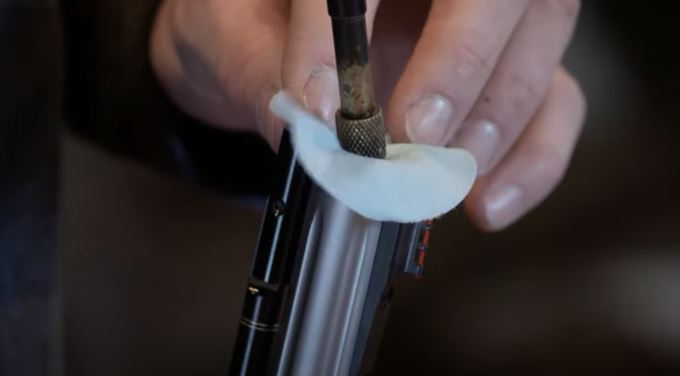
Insert a pre-saturated patch onto the ramrod and push it down the barrel using short strokes. The first 6 inches (15 cm) above the breech plug accumulates the heaviest fouling. Run 8–10 patches through this zone until patches emerge completely clean. Continue with fresh patches until the entire barrel shows no discoloration.
Step 2 — Drying the Barrel
Run a dry, clean patch through the barrel immediately after the final rinse patch. This patch absorbs residual salt and moisture. Repeat with a second dry patch to ensure no moisture remains in the bore.
Step 3 — Seasoning the Barrel
Run a patch saturated with bore butter or rifle-specific seasoning oil down the full length of the barrel. Seasoning oil displaces moisture and deposits a protective film at 0.002–0.005 inches thickness. This coating prevents rust formation for up to 6 months under normal storage conditions.
Step 4 — Cleaning the Breech End
Remove the breech plug from the stock. Wrap a pre-saturated patch over the breech plug and insert it into the barrel threads. Using a twisting motion, scrub the threads for 30–45 seconds to dissolve carbon buildup. Inspect visually—any dark residue requires repetition.
Step 5 — Inspecting Barrel Threads
Visually inspect the barrel threads for debris, carbon scoring, or corrosion. If residue remains after Step 4, repeat the cleaning process. Light surface oxidation (light brown discoloration) dissolves with additional bore butter application; heavy rust (dark pits) requires gunsmith evaluation.
Step 6 — Cleaning the Breech Plug
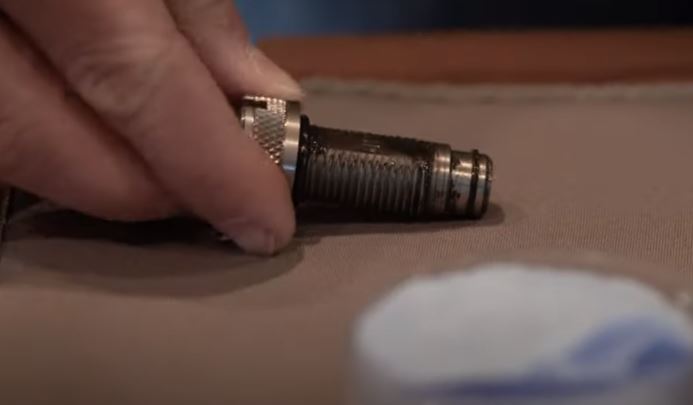
Submerge the breech plug in a Parts Soaker container filled with boiling water or a dedicated solvent. Let it soak for 10–15 minutes. Remove, then scrub with a brass bristle brush to dislodge carbon deposits from the flash hole and threaded areas. Wipe dry with a clean rag.
Step 7 — Cleaning the Fire Channel
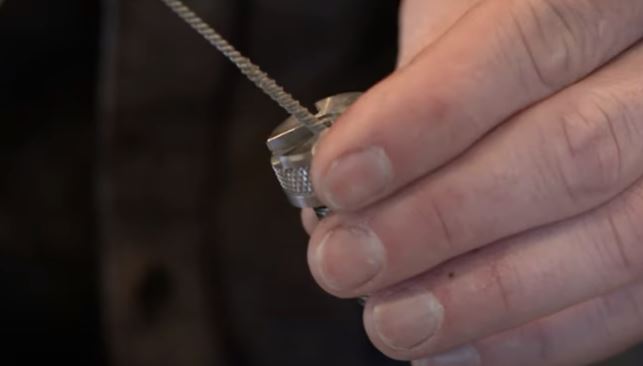
Insert a fire channel brush into the flash hole and scrub for 20–30 seconds. Submerge the breech plug in fresh boiling water for 5 minutes to flush dissolved residue. Apply a thin coat of anti-seize grease (rated to 1800°F / 982°C) to the plug threads and barrel threads before reassembly.
Step 8 — Reassembling the Rifle
Screw the breech plug into the barrel using hand pressure only—overtightening damages threads. Wipe the exterior of the rifle with a lightly oiled gun cloth. Point the muzzle in a safe direction and verify the bore is clear before storage.
Muzzleloader Cleaning Frequency
Clean your Thompson Center Black Diamond immediately after every shooting session. Black powder fouling reaches corrosive levels within 24 hours in humid conditions (relative humidity above 60%). In coastal or swamp environments, corrosion begins within 12 hours of firing.
The corrosive compound—potassium sulfide—forms when potassium nitrate (an oxidizer in black powder) combines with sulfur. This compound has a pH of 8.5–9.0 and literally eats into steel, causing:
- Pitting in the bore (reduces accuracy by up to 50% after 3–4 sessions of deferred cleaning)
- Carbon lock on the breech plug (causes hang-fires and misfires)
- Rust formation on external metal surfaces within 48–72 hours
Dawn Dish Soap Cleaning Method for Muzzleloaders
No specialized solvents? Disassemble the rifle completely and follow this alternative procedure:
- Mix 2 tablespoons of Dawn dish soap into 1 gallon (3.8 L) of water heated to 180°F–200°F (82°C–93°C).
- Submerge barrel and small parts in the solution for 15–20 minutes.
- Scrub the bore with a tight-fitting swab using a pumping motion for 3–5 minutes.
- Rinse all parts in fresh boiling water until all soap residue disappears.
- Dry immediately with compressed air or clean patches—do not air-dry.
- Apply a light coating of gun oil (0.003–0.005 inch thickness) within 2 minutes of drying.
For detailed instructions on cleaning a rifle without a bore guide, refer to our guide on cleaning a rifle without a bore guide.
Firearms Safety Reminders
- Always point the muzzle in a safe direction—toward the ground or a backstop.
- Verify the chamber, bore, and flash hole are completely unloaded, uncharged, and unprimed before cleaning.
- Never attempt to clean a loaded muzzleloader—an accidental discharge causes severe injury or death.
- Wear safety glasses during disassembly and reassembly.
- Store ammunition, primers, and powder separately from the cleaned rifle.
Key Specifications Quick Reference
| Parameter | Value |
|---|---|
| Water temperature for neutralization | 180°F–200°F (82°C–93°C) |
| Black powder residue pH | 8.5–9.0 |
| Neutralization time (hot water) | Under 5 minutes |
| Pre-saturated patch dwell time (room temp) | 15–20 minutes |
| Breech plug soak time | 10–15 minutes |
| Fire channel brush time | 20–30 seconds |
| Anti-seize grease temperature rating | 1800°F (982°C) |
| Bore oil film thickness | 0.002–0.005 inches |
| Humidity threshold for accelerated corrosion | 60% relative humidity |
| Time to visible rust without cleaning | 48–72 hours |
References
- National Park Service. (n.d.). Black Powder Firearms Safety and Cleaning. National Park Service. Retrieved from nps.gov.
- Thompson Center Arms. (n.d.). Thompson Center Black Diamond Owner’s Manual. Thompson Center Arms Corporation.
- U.S. Army. (2019). Technical Bulletin 9-1300-385: Care and Preservation of Arms. Department of the Army.
- ASM International. (2020). Corrosion of Iron and Steel in Black Powder Residue Environments. ASM Handbook, Vol. 13A.
- Loctite. (2021). Anti-Seize Lubricants: Technical Data Sheet. Henkel Corporation.
Key Specifications Quick Reference
| Parameter | Value |
|---|---|
| Water temperature for neutralization | 180°F–200°F (82°C–93°C) |
| Black powder residue pH | 8.5–9.0 |
| Neutralization time (hot water) | Under 5 minutes |
| Pre-saturated patch dwell time (room temp) | 15–20 minutes |
| Breech plug soak time | 10–15 minutes |
| Fire channel brush time | 20–30 seconds |
| Anti-seize grease temperature rating | 1800°F (982°C) |
| Bore oil film thickness | 0.002–0.005 inches |
| Humidity threshold for accelerated corrosion | 60% relative humidity |
| Time to visible rust without cleaning | 48–72 hours |
References
- National Park Service. (n.d.). Black Powder Firearms Safety and Cleaning. National Park Service. Retrieved from nps.gov.
- Thompson Center Arms. (n.d.). Thompson Center Black Diamond Owner’s Manual. Thompson Center Arms Corporation.
- U.S. Army. (2019). Technical Bulletin 9-1300-385: Care and Preservation of Arms. Department of the Army.
- ASM International. (2020). Corrosion of Iron and Steel in Black Powder Residue Environments. ASM Handbook, Vol. 13A.
- Loctite. (2021). Anti-Seize Lubricants: Technical Data Sheet. Henkel Corporation.
The Thompson Center Black Diamond muzzleloader delivers outstanding aiming accuracy, but black powder fouling causes etching of the barrel within 24 hours of firing. Hot water at 180°F–200°F neutralizes black powder residue (pH 8.5–9.0) within 5 minutes of exposure. This guide provides the step-by-step procedure for complete disassembly, cleaning, and barrel seasoning.
What Liquid Should Be Used to Clean Your Muzzleloader?
Black powder residue is hygroscopic—it absorbs moisture from the air and produces a corrosive compound (potassium sulfide) with a pH of 8.5–9.0 within hours of firing. Neutralize it fast using one of these two proven methods:
| Cleaning Solution | Application | Key Properties |
|---|---|---|
| Murphy’s Oil Soap (ammonia-free) | Pre-saturated patches, bore scrubbers | pH 8.5–9.0, non-abrasive, safe for blued steel |
| Boiling water (180°F–200°F / 82°C–93°C) | Breech plug soaker, final rinse | Neutralizes potassium sulfide in under 5 minutes |
| Dawn dish soap + hot water | Full disassembly soak | Degreasing action, breaks powder binding |
Pre-saturated patches are a viable alternative when liquids are impractical. A single patch dissolves black powder fouling at room temperature within 15–20 minutes.
Complete Thompson Center Black Diamond Cleaning Procedure
The following eight-step process covers the entire rifle, from barrel to breech plug. Perform this routine immediately after each shooting session to prevent pitting and rust.
Step 1 — Cleaning the Barrel
Insert a pre-saturated patch onto the ramrod and push it down the barrel using short strokes. The first 6 inches (15 cm) above the breech plug accumulates the heaviest fouling. Run 8–10 patches through this zone until patches emerge completely clean. Continue with fresh patches until the entire barrel shows no discoloration.
Step 2 — Drying the Barrel
Run a dry, clean patch through the barrel immediately after the final rinse patch. This patch absorbs residual salt and moisture. Repeat with a second dry patch to ensure no moisture remains in the bore.
Step 3 — Seasoning the Barrel
Run a patch saturated with bore butter or rifle-specific seasoning oil down the full length of the barrel. Seasoning oil displaces moisture and deposits a protective film at 0.002–0.005 inches thickness. This coating prevents rust formation for up to 6 months under normal storage conditions.
Step 4 — Cleaning the Breech End
Remove the breech plug from the stock. Wrap a pre-saturated patch over the breech plug and insert it into the barrel threads. Using a twisting motion, scrub the threads for 30–45 seconds to dissolve carbon buildup. Inspect visually—any dark residue requires repetition.
Step 5 — Inspecting Barrel Threads
Visually inspect the barrel threads for debris, carbon scoring, or corrosion. If residue remains after Step 4, repeat the cleaning process. Light surface oxidation (light brown discoloration) dissolves with additional bore butter application; heavy rust (dark pits) requires gunsmith evaluation.
Step 6 — Cleaning the Breech Plug
Submerge the breech plug in a Parts Soaker container filled with boiling water or a dedicated solvent. Let it soak for 10–15 minutes. Remove, then scrub with a brass bristle brush to dislodge carbon deposits from the flash hole and threaded areas. Wipe dry with a clean rag.
Step 7 — Cleaning the Fire Channel
Insert a fire channel brush into the flash hole and scrub for 20–30 seconds. Submerge the breech plug in fresh boiling water for 5 minutes to flush dissolved residue. Apply a thin coat of anti-seize grease (rated to 1800°F / 982°C) to the plug threads and barrel threads before reassembly.
Step 8 — Reassembling the Rifle
Screw the breech plug into the barrel using hand pressure only—overtightening damages threads. Wipe the exterior of the rifle with a lightly oiled gun cloth. Point the muzzle in a safe direction and verify the bore is clear before storage.
Muzzleloader Cleaning Frequency
Clean your Thompson Center Black Diamond immediately after every shooting session. Black powder fouling reaches corrosive levels within 24 hours in humid conditions (relative humidity above 60%). In coastal or swamp environments, corrosion begins within 12 hours of firing.
The corrosive compound—potassium sulfide—forms when potassium nitrate (an oxidizer in black powder) combines with sulfur. This compound has a pH of 8.5–9.0 and literally eats into steel, causing:
- Pitting in the bore (reduces accuracy by up to 50% after 3–4 sessions of deferred cleaning)
- Carbon lock on the breech plug (causes hang-fires and misfires)
- Rust formation on external metal surfaces within 48–72 hours
Dawn Dish Soap Cleaning Method for Muzzleloaders
No specialized solvents? Disassemble the rifle completely and follow this alternative procedure:
- Mix 2 tablespoons of Dawn dish soap into 1 gallon (3.8 L) of water heated to 180°F–200°F (82°C–93°C).
- Submerge barrel and small parts in the solution for 15–20 minutes.
- Scrub the bore with a tight-fitting swab using a pumping motion for 3–5 minutes.
- Rinse all parts in fresh boiling water until all soap residue disappears.
- Dry immediately with compressed air or clean patches—do not air-dry.
- Apply a light coating of gun oil (0.003–0.005 inch thickness) within 2 minutes of drying.
For detailed instructions on cleaning a rifle without a bore guide, refer to our guide on cleaning a rifle without a bore guide.
Firearms Safety Reminders
- Always point the muzzle in a safe direction—toward the ground or a backstop.
- Verify the chamber, bore, and flash hole are completely unloaded, uncharged, and unprimed before cleaning.
- Never attempt to clean a loaded muzzleloader—an accidental discharge causes severe injury or death.
- Wear safety glasses during disassembly and reassembly.
- Store ammunition, primers, and powder separately from the cleaned rifle.
Key Specifications Quick Reference
| Parameter | Value |
|---|---|
| Water temperature for neutralization | 180°F–200°F (82°C–93°C) |
| Black powder residue pH | 8.5–9.0 |
| Neutralization time (hot water) | Under 5 minutes |
| Pre-saturated patch dwell time (room temp) | 15–20 minutes |
| Breech plug soak time | 10–15 minutes |
| Fire channel brush time | 20–30 seconds |
| Anti-seize grease temperature rating | 1800°F (982°C) |
| Bore oil film thickness | 0.002–0.005 inches |
| Humidity threshold for accelerated corrosion | 60% relative humidity |
| Time to visible rust without cleaning | 48–72 hours |
References
- National Park Service. (n.d.). Black Powder Firearms Safety and Cleaning. National Park Service. Retrieved from nps.gov.
- Thompson Center Arms. (n.d.). Thompson Center Black Diamond Owner’s Manual. Thompson Center Arms Corporation.
- U.S. Army. (2019). Technical Bulletin 9-1300-385: Care and Preservation of Arms. Department of the Army.
- ASM International. (2020). Corrosion of Iron and Steel in Black Powder Residue Environments. ASM Handbook, Vol. 13A.
- Loctite. (2021). Anti-Seize Lubricants: Technical Data Sheet. Henkel Corporation.
- Always point the muzzle in a safe direction—toward the ground or a backstop.
- Verify the chamber, bore, and flash hole are completely unloaded, uncharged, and unprimed before cleaning.
- Never attempt to clean a loaded muzzleloader—an accidental discharge causes severe injury or death.
- Wear safety glasses during disassembly and reassembly.
- Store ammunition, primers, and powder separately from the cleaned rifle.
Key Specifications Quick Reference
| Parameter | Value |
|---|---|
| Water temperature for neutralization | 180°F–200°F (82°C–93°C) |
| Black powder residue pH | 8.5–9.0 |
| Neutralization time (hot water) | Under 5 minutes |
| Pre-saturated patch dwell time (room temp) | 15–20 minutes |
| Breech plug soak time | 10–15 minutes |
| Fire channel brush time | 20–30 seconds |
| Anti-seize grease temperature rating | 1800°F (982°C) |
| Bore oil film thickness | 0.002–0.005 inches |
| Humidity threshold for accelerated corrosion | 60% relative humidity |
| Time to visible rust without cleaning | 48–72 hours |
References
- National Park Service. (n.d.). Black Powder Firearms Safety and Cleaning. National Park Service. Retrieved from nps.gov.
- Thompson Center Arms. (n.d.). Thompson Center Black Diamond Owner’s Manual. Thompson Center Arms Corporation.
- U.S. Army. (2019). Technical Bulletin 9-1300-385: Care and Preservation of Arms. Department of the Army.
- ASM International. (2020). Corrosion of Iron and Steel in Black Powder Residue Environments. ASM Handbook, Vol. 13A.
- Loctite. (2021). Anti-Seize Lubricants: Technical Data Sheet. Henkel Corporation.
The Thompson Center Black Diamond muzzleloader delivers outstanding aiming accuracy, but black powder fouling causes etching of the barrel within 24 hours of firing. Hot water at 180°F–200°F neutralizes black powder residue (pH 8.5–9.0) within 5 minutes of exposure. This guide provides the step-by-step procedure for complete disassembly, cleaning, and barrel seasoning.
What Liquid Should Be Used to Clean Your Muzzleloader?
Black powder residue is hygroscopic—it absorbs moisture from the air and produces a corrosive compound (potassium sulfide) with a pH of 8.5–9.0 within hours of firing. Neutralize it fast using one of these two proven methods:
| Cleaning Solution | Application | Key Properties |
|---|---|---|
| Murphy’s Oil Soap (ammonia-free) | Pre-saturated patches, bore scrubbers | pH 8.5–9.0, non-abrasive, safe for blued steel |
| Boiling water (180°F–200°F / 82°C–93°C) | Breech plug soaker, final rinse | Neutralizes potassium sulfide in under 5 minutes |
| Dawn dish soap + hot water | Full disassembly soak | Degreasing action, breaks powder binding |
Pre-saturated patches are a viable alternative when liquids are impractical. A single patch dissolves black powder fouling at room temperature within 15–20 minutes.
Complete Thompson Center Black Diamond Cleaning Procedure
The following eight-step process covers the entire rifle, from barrel to breech plug. Perform this routine immediately after each shooting session to prevent pitting and rust.
Step 1 — Cleaning the Barrel
Insert a pre-saturated patch onto the ramrod and push it down the barrel using short strokes. The first 6 inches (15 cm) above the breech plug accumulates the heaviest fouling. Run 8–10 patches through this zone until patches emerge completely clean. Continue with fresh patches until the entire barrel shows no discoloration.
Step 2 — Drying the Barrel
Run a dry, clean patch through the barrel immediately after the final rinse patch. This patch absorbs residual salt and moisture. Repeat with a second dry patch to ensure no moisture remains in the bore.
Step 3 — Seasoning the Barrel
Run a patch saturated with bore butter or rifle-specific seasoning oil down the full length of the barrel. Seasoning oil displaces moisture and deposits a protective film at 0.002–0.005 inches thickness. This coating prevents rust formation for up to 6 months under normal storage conditions.
Step 4 — Cleaning the Breech End
Remove the breech plug from the stock. Wrap a pre-saturated patch over the breech plug and insert it into the barrel threads. Using a twisting motion, scrub the threads for 30–45 seconds to dissolve carbon buildup. Inspect visually—any dark residue requires repetition.
Step 5 — Inspecting Barrel Threads
Visually inspect the barrel threads for debris, carbon scoring, or corrosion. If residue remains after Step 4, repeat the cleaning process. Light surface oxidation (light brown discoloration) dissolves with additional bore butter application; heavy rust (dark pits) requires gunsmith evaluation.
Step 6 — Cleaning the Breech Plug
Submerge the breech plug in a Parts Soaker container filled with boiling water or a dedicated solvent. Let it soak for 10–15 minutes. Remove, then scrub with a brass bristle brush to dislodge carbon deposits from the flash hole and threaded areas. Wipe dry with a clean rag.
Step 7 — Cleaning the Fire Channel
Insert a fire channel brush into the flash hole and scrub for 20–30 seconds. Submerge the breech plug in fresh boiling water for 5 minutes to flush dissolved residue. Apply a thin coat of anti-seize grease (rated to 1800°F / 982°C) to the plug threads and barrel threads before reassembly.
Step 8 — Reassembling the Rifle
Screw the breech plug into the barrel using hand pressure only—overtightening damages threads. Wipe the exterior of the rifle with a lightly oiled gun cloth. Point the muzzle in a safe direction and verify the bore is clear before storage.
Muzzleloader Cleaning Frequency
Clean your Thompson Center Black Diamond immediately after every shooting session. Black powder fouling reaches corrosive levels within 24 hours in humid conditions (relative humidity above 60%). In coastal or swamp environments, corrosion begins within 12 hours of firing.
The corrosive compound—potassium sulfide—forms when potassium nitrate (an oxidizer in black powder) combines with sulfur. This compound has a pH of 8.5–9.0 and literally eats into steel, causing:
- Pitting in the bore (reduces accuracy by up to 50% after 3–4 sessions of deferred cleaning)
- Carbon lock on the breech plug (causes hang-fires and misfires)
- Rust formation on external metal surfaces within 48–72 hours
Dawn Dish Soap Cleaning Method for Muzzleloaders
No specialized solvents? Disassemble the rifle completely and follow this alternative procedure:
- Mix 2 tablespoons of Dawn dish soap into 1 gallon (3.8 L) of water heated to 180°F–200°F (82°C–93°C).
- Submerge barrel and small parts in the solution for 15–20 minutes.
- Scrub the bore with a tight-fitting swab using a pumping motion for 3–5 minutes.
- Rinse all parts in fresh boiling water until all soap residue disappears.
- Dry immediately with compressed air or clean patches—do not air-dry.
- Apply a light coating of gun oil (0.003–0.005 inch thickness) within 2 minutes of drying.
For detailed instructions on cleaning a rifle without a bore guide, refer to our guide on cleaning a rifle without a bore guide.
Firearms Safety Reminders
- Always point the muzzle in a safe direction—toward the ground or a backstop.
- Verify the chamber, bore, and flash hole are completely unloaded, uncharged, and unprimed before cleaning.
- Never attempt to clean a loaded muzzleloader—an accidental discharge causes severe injury or death.
- Wear safety glasses during disassembly and reassembly.
- Store ammunition, primers, and powder separately from the cleaned rifle.
Key Specifications Quick Reference
| Parameter | Value |
|---|---|
| Water temperature for neutralization | 180°F–200°F (82°C–93°C) |
| Black powder residue pH | 8.5–9.0 |
| Neutralization time (hot water) | Under 5 minutes |
| Pre-saturated patch dwell time (room temp) | 15–20 minutes |
| Breech plug soak time | 10–15 minutes |
| Fire channel brush time | 20–30 seconds |
| Anti-seize grease temperature rating | 1800°F (982°C) |
| Bore oil film thickness | 0.002–0.005 inches |
| Humidity threshold for accelerated corrosion | 60% relative humidity |
| Time to visible rust without cleaning | 48–72 hours |
References
- National Park Service. (n.d.). Black Powder Firearms Safety and Cleaning. National Park Service. Retrieved from nps.gov.
- Thompson Center Arms. (n.d.). Thompson Center Black Diamond Owner’s Manual. Thompson Center Arms Corporation.
- U.S. Army. (2019). Technical Bulletin 9-1300-385: Care and Preservation of Arms. Department of the Army.
- ASM International. (2020). Corrosion of Iron and Steel in Black Powder Residue Environments. ASM Handbook, Vol. 13A.
- Loctite. (2021). Anti-Seize Lubricants: Technical Data Sheet. Henkel Corporation.
Key Specifications Quick Reference
| Parameter | Value |
|---|---|
| Water temperature for neutralization | 180°F–200°F (82°C–93°C) |
| Black powder residue pH | 8.5–9.0 |
| Neutralization time (hot water) | Under 5 minutes |
| Pre-saturated patch dwell time (room temp) | 15–20 minutes |
| Breech plug soak time | 10–15 minutes |
| Fire channel brush time | 20–30 seconds |
| Anti-seize grease temperature rating | 1800°F (982°C) |
| Bore oil film thickness | 0.002–0.005 inches |
| Humidity threshold for accelerated corrosion | 60% relative humidity |
| Time to visible rust without cleaning | 48–72 hours |
References
- National Park Service. (n.d.). Black Powder Firearms Safety and Cleaning. National Park Service. Retrieved from nps.gov.
- Thompson Center Arms. (n.d.). Thompson Center Black Diamond Owner’s Manual. Thompson Center Arms Corporation.
- U.S. Army. (2019). Technical Bulletin 9-1300-385: Care and Preservation of Arms. Department of the Army.
- ASM International. (2020). Corrosion of Iron and Steel in Black Powder Residue Environments. ASM Handbook, Vol. 13A.
- Loctite. (2021). Anti-Seize Lubricants: Technical Data Sheet. Henkel Corporation.
- Always point the muzzle in a safe direction—toward the ground or a backstop.
- Verify the chamber, bore, and flash hole are completely unloaded, uncharged, and unprimed before cleaning.
- Never attempt to clean a loaded muzzleloader—an accidental discharge causes severe injury or death.
- Wear safety glasses during disassembly and reassembly.
- Store ammunition, primers, and powder separately from the cleaned rifle.
Key Specifications Quick Reference
| Parameter | Value |
|---|---|
| Water temperature for neutralization | 180°F–200°F (82°C–93°C) |
| Black powder residue pH | 8.5–9.0 |
| Neutralization time (hot water) | Under 5 minutes |
| Pre-saturated patch dwell time (room temp) | 15–20 minutes |
| Breech plug soak time | 10–15 minutes |
| Fire channel brush time | 20–30 seconds |
| Anti-seize grease temperature rating | 1800°F (982°C) |
| Bore oil film thickness | 0.002–0.005 inches |
| Humidity threshold for accelerated corrosion | 60% relative humidity |
| Time to visible rust without cleaning | 48–72 hours |
References
- National Park Service. (n.d.). Black Powder Firearms Safety and Cleaning. National Park Service. Retrieved from nps.gov.
- Thompson Center Arms. (n.d.). Thompson Center Black Diamond Owner’s Manual. Thompson Center Arms Corporation.
- U.S. Army. (2019). Technical Bulletin 9-1300-385: Care and Preservation of Arms. Department of the Army.
- ASM International. (2020). Corrosion of Iron and Steel in Black Powder Residue Environments. ASM Handbook, Vol. 13A.
- Loctite. (2021). Anti-Seize Lubricants: Technical Data Sheet. Henkel Corporation.
The Thompson Center Black Diamond muzzleloader delivers outstanding aiming accuracy, but black powder fouling causes etching of the barrel within 24 hours of firing. Hot water at 180°F–200°F neutralizes black powder residue (pH 8.5–9.0) within 5 minutes of exposure. This guide provides the step-by-step procedure for complete disassembly, cleaning, and barrel seasoning.
What Liquid Should Be Used to Clean Your Muzzleloader?
Black powder residue is hygroscopic—it absorbs moisture from the air and produces a corrosive compound (potassium sulfide) with a pH of 8.5–9.0 within hours of firing. Neutralize it fast using one of these two proven methods:
| Cleaning Solution | Application | Key Properties |
|---|---|---|
| Murphy’s Oil Soap (ammonia-free) | Pre-saturated patches, bore scrubbers | pH 8.5–9.0, non-abrasive, safe for blued steel |
| Boiling water (180°F–200°F / 82°C–93°C) | Breech plug soaker, final rinse | Neutralizes potassium sulfide in under 5 minutes |
| Dawn dish soap + hot water | Full disassembly soak | Degreasing action, breaks powder binding |
Pre-saturated patches are a viable alternative when liquids are impractical. A single patch dissolves black powder fouling at room temperature within 15–20 minutes.
Complete Thompson Center Black Diamond Cleaning Procedure
The following eight-step process covers the entire rifle, from barrel to breech plug. Perform this routine immediately after each shooting session to prevent pitting and rust.
Step 1 — Cleaning the Barrel
Insert a pre-saturated patch onto the ramrod and push it down the barrel using short strokes. The first 6 inches (15 cm) above the breech plug accumulates the heaviest fouling. Run 8–10 patches through this zone until patches emerge completely clean. Continue with fresh patches until the entire barrel shows no discoloration.
Step 2 — Drying the Barrel
Run a dry, clean patch through the barrel immediately after the final rinse patch. This patch absorbs residual salt and moisture. Repeat with a second dry patch to ensure no moisture remains in the bore.
Step 3 — Seasoning the Barrel
Run a patch saturated with bore butter or rifle-specific seasoning oil down the full length of the barrel. Seasoning oil displaces moisture and deposits a protective film at 0.002–0.005 inches thickness. This coating prevents rust formation for up to 6 months under normal storage conditions.
Step 4 — Cleaning the Breech End
Remove the breech plug from the stock. Wrap a pre-saturated patch over the breech plug and insert it into the barrel threads. Using a twisting motion, scrub the threads for 30–45 seconds to dissolve carbon buildup. Inspect visually—any dark residue requires repetition.
Step 5 — Inspecting Barrel Threads
Visually inspect the barrel threads for debris, carbon scoring, or corrosion. If residue remains after Step 4, repeat the cleaning process. Light surface oxidation (light brown discoloration) dissolves with additional bore butter application; heavy rust (dark pits) requires gunsmith evaluation.
Step 6 — Cleaning the Breech Plug
Submerge the breech plug in a Parts Soaker container filled with boiling water or a dedicated solvent. Let it soak for 10–15 minutes. Remove, then scrub with a brass bristle brush to dislodge carbon deposits from the flash hole and threaded areas. Wipe dry with a clean rag.
Step 7 — Cleaning the Fire Channel
Insert a fire channel brush into the flash hole and scrub for 20–30 seconds. Submerge the breech plug in fresh boiling water for 5 minutes to flush dissolved residue. Apply a thin coat of anti-seize grease (rated to 1800°F / 982°C) to the plug threads and barrel threads before reassembly.
Step 8 — Reassembling the Rifle
Screw the breech plug into the barrel using hand pressure only—overtightening damages threads. Wipe the exterior of the rifle with a lightly oiled gun cloth. Point the muzzle in a safe direction and verify the bore is clear before storage.
Muzzleloader Cleaning Frequency
Clean your Thompson Center Black Diamond immediately after every shooting session. Black powder fouling reaches corrosive levels within 24 hours in humid conditions (relative humidity above 60%). In coastal or swamp environments, corrosion begins within 12 hours of firing.
The corrosive compound—potassium sulfide—forms when potassium nitrate (an oxidizer in black powder) combines with sulfur. This compound has a pH of 8.5–9.0 and literally eats into steel, causing:
- Pitting in the bore (reduces accuracy by up to 50% after 3–4 sessions of deferred cleaning)
- Carbon lock on the breech plug (causes hang-fires and misfires)
- Rust formation on external metal surfaces within 48–72 hours
Dawn Dish Soap Cleaning Method for Muzzleloaders
No specialized solvents? Disassemble the rifle completely and follow this alternative procedure:
- Mix 2 tablespoons of Dawn dish soap into 1 gallon (3.8 L) of water heated to 180°F–200°F (82°C–93°C).
- Submerge barrel and small parts in the solution for 15–20 minutes.
- Scrub the bore with a tight-fitting swab using a pumping motion for 3–5 minutes.
- Rinse all parts in fresh boiling water until all soap residue disappears.
- Dry immediately with compressed air or clean patches—do not air-dry.
- Apply a light coating of gun oil (0.003–0.005 inch thickness) within 2 minutes of drying.
For detailed instructions on cleaning a rifle without a bore guide, refer to our guide on cleaning a rifle without a bore guide.
Firearms Safety Reminders
- Always point the muzzle in a safe direction—toward the ground or a backstop.
- Verify the chamber, bore, and flash hole are completely unloaded, uncharged, and unprimed before cleaning.
- Never attempt to clean a loaded muzzleloader—an accidental discharge causes severe injury or death.
- Wear safety glasses during disassembly and reassembly.
- Store ammunition, primers, and powder separately from the cleaned rifle.
Key Specifications Quick Reference
| Parameter | Value |
|---|---|
| Water temperature for neutralization | 180°F–200°F (82°C–93°C) |
| Black powder residue pH | 8.5–9.0 |
| Neutralization time (hot water) | Under 5 minutes |
| Pre-saturated patch dwell time (room temp) | 15–20 minutes |
| Breech plug soak time | 10–15 minutes |
| Fire channel brush time | 20–30 seconds |
| Anti-seize grease temperature rating | 1800°F (982°C) |
| Bore oil film thickness | 0.002–0.005 inches |
| Humidity threshold for accelerated corrosion | 60% relative humidity |
| Time to visible rust without cleaning | 48–72 hours |
References
- National Park Service. (n.d.). Black Powder Firearms Safety and Cleaning. National Park Service. Retrieved from nps.gov.
- Thompson Center Arms. (n.d.). Thompson Center Black Diamond Owner’s Manual. Thompson Center Arms Corporation.
- U.S. Army. (2019). Technical Bulletin 9-1300-385: Care and Preservation of Arms. Department of the Army.
- ASM International. (2020). Corrosion of Iron and Steel in Black Powder Residue Environments. ASM Handbook, Vol. 13A.
- Loctite. (2021). Anti-Seize Lubricants: Technical Data Sheet. Henkel Corporation.

