
How to Clean a Pheasant for Transport

Proper field dressing of a pheasant within 24 hours of harvest prevents bacterial contamination and preserves meat quality for transport. Two standard methods—field dressing and shear processing—allow hunters to clean a pheasant efficiently using basic tools.
Pheasants rank among the most harvested game birds in North America, with over 400,000 banded annually for migration studies. Improper cleaning introduces pathogens such as Salmonella and Campylobacter, which multiply rapidly between 40°F and 140°F (4°C and 60°C). Quick field dressing at ambient temperatures below 50°F (10°C) inhibits bacterial growth and extends safe storage windows.
Two Methods to Clean a Pheasant for Transport
Bacterial proliferation in unprocessed game birds accelerates after death. Hunters must dress hunted birds immediately or within 24 hours to prevent microbial colonization of muscle tissue. The two accepted methods differ in required tools and processing time:
| Method | Tools Required | Processing Time | Best For |
|---|---|---|---|
| Field Dressing | Sharp butcher knife, alcohol wipes | 15–20 minutes | On-site cleaning, warm climates |
| Shear Processing | Kitchen or garden shears | 45–60 minutes | Full butchering, skin removal |
Method 1: Shear Processing
Shear processing involves using kitchen or garden shears to remove feathers, wings, legs, and skin. Sanitize shears with a 70% isopropyl alcohol solution before use to reduce bacterial transfer.
Step 1: Feather Removal
Remove all feathers by hand-plucking or using kitchen shears. Work quickly to prevent the carcass from reaching the bacterial danger zone.
Step 2: Dismemberment

Cut through the wing joints with shears at the shoulder joint. Then sever the neck at the base of the skull. Finally, remove both legs by cutting at the knee joint (tibiotarsal joint). These three cuts separate the primary transport obstacles.
Step 3: Skinning

Make a shallow incision from the top of the breast to the tail. Peel the skin backward toward the tail until the crop (a food storage pouch at the chest) is exposed. Remove the skin entirely along with the vent.
Step 4: Butchering

Open the body cavity from breast to vent. Remove all entrails: intestines, gizzard, heart, liver, and lungs. Rinse the body cavity with cold water to eliminate residual blood and viscera.
Step 5: Final Rinse
Submerge the carcass in cold water at or below 40°F (4°C) for rinsing. Package in airtight containers or vacuum-sealed bags. Place immediately in an ice cooler or portable refrigerator set to 32–35°F (0–2°C).
Method 2: Field Dressing Process
Field dressing requires only a sharp butcher knife and basic sanitization supplies. This method leaves the skin intact and focuses on removing internal organs to accelerate cooling. It suits hunters who must transport birds over long distances.
Step 1: Knife Sanitization
Wipe the blade with an alcohol-soaked cloth or pre-packaged alcohol wipes before use. A 70% isopropyl alcohol solution kills most surface bacteria on contact. Repeat sanitization between each bird to prevent cross-contamination.
Step 2: Skinning
Make a 2–3 inch incision along the underside of the breast. Insert two fingers to create a gap, then pull the skin and feather layer away from the breast meat. Peel back toward the tail until the body cavity is accessible.
Step 4: Separate and Store
Divide the carcass into breast halves, thighs, and wings. Place each section in separate sealed bags. Submerge in an ice cooler maintaining 32–35°F (0–2°C). Transport time from field to cooler should not exceed 30 minutes in ambient temperatures above 50°F (10°C).
How to Clean a Pheasant Mount: Taxidermy Care

Pheasant mounts accumulate dust and oxidation residue on feathers and eye surfaces. Regular cleaning preserves the display quality and prevents permanent staining. Taxidermy mounts require different handling than meat-processing equipment.
Step 1: Dusting
Use a feather duster or soft-bristle brush to remove loose dust from all feather surfaces. Work from the head toward the tail, following the natural feather direction. Avoid pressing into the feather vanes to prevent bending.
Step 2: Eye Restoration
Dampen a cotton swab with lacquer thinner (acetone-based) or ammonia-free glass cleaner. Gently wipe the taxidermy eye until surface oxidation dissolves. Allow 60 seconds for the solvent to evaporate—the eye regains a glossy black appearance as it dries.
How to Clean Pheasant Feathers for Crafting or Taxidermy
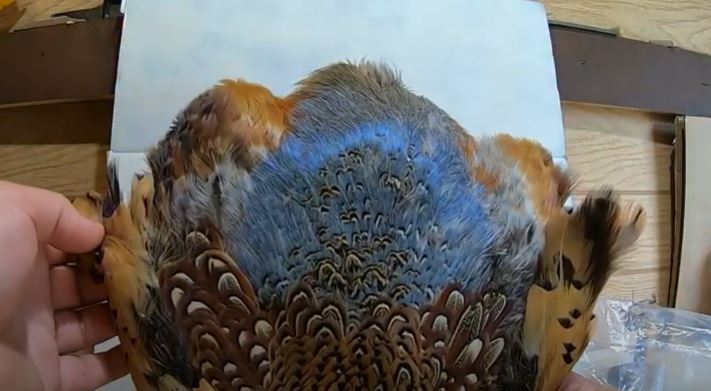
Pheasant feathers contain residual fat, dirt, and potential parasites after harvesting. A four-step cleaning process prepares feathers for crafting, fly-tying, or decorative use.
Step 1: Parasite Treatment
Seal feathers with 3–4 mothballs (naphthalene or paradichlorobenzene) inside a ziplock bag. Naphthalene vapor kills feather lice and mite eggs within 24–48 hours of exposure. Do not handle the bag contents during this period.
Step 2: Sanitization
Combine equal parts 3% hydrogen peroxide and 70% isopropyl alcohol in a shallow bowl. Submerge feathers for 30 minutes—this solution kills bacteria and dissolves organic residue. Wear gloves during handling.
Step 3: Hot Water Soak
Heat water to 160–180°F (71–82°C). Briefly immerse feathers for 2–3 minutes—the heat releases quill oils and loosens remaining debris. Do not exceed 5 minutes; prolonged exposure causes quill separation from the vane.
Safe Cleaning Timeline: How Long Can You Wait
Clean a pheasant within 24 hours of harvest under all circumstances. Bacterial counts in uncooled game birds exceed safe thresholds after this window regardless of ambient conditions.
- 0–4 hours: Ideal. Meat temperature stays below 40°F (4°C) with proper field cooling.
- 4–12 hours: Acceptable if ambient temperature is below 50°F (10°C) and carcass is kept shaded.
- 12–24 hours: Risky. Bacterial surface penetration begins; immediate dressing required upon reaching a cleaning station.
- Beyond 24 hours: Unsafe. Tissue decomposition, parasitic invasion (Serratosporaworm, Ascarid larvae), and blood discoloration make meat unsuitable for consumption.
Larger pheasant species retain meat quality longer than smaller birds due to thicker muscle structure and lower surface-to-volume ratio. However, the 24-hour maximum applies universally across all galliform game birds.
Washing a Pheasant Before Cooking: Temperature Matters
Wash a processed pheasant immediately before cooking, never before cleaning. Pre-washing rinses bacteria from the surface but does not penetrate muscle tissue.
- Cold water (32–40°F / 0–4°C): Safe for rinsing all processed game birds.
- Room temperature water (68–72°F / 20–22°C): Acceptable for brief rinses under 60 seconds.
- Hot water above 140°F (60°C): Causes partial protein coagulation on the meat surface, creating a gray, mealy texture and muted flavor. Never use.
Rinse the bird under cold running water for 30–60 seconds, pat dry with paper towels, and proceed immediately to seasoning or cooking. Do not let washed poultry rest at room temperature for more than 2 hours.
Pheasant Call vs Turkey Call: Cleaning Differences
Cleaning a slate turkey call requires removing residue from the playing surface without damaging the slate or striker. Pheasant calls—typically made from wood, leather, or synthetic materials—demand different cleaning agents. Use a dry brush for wood surfaces and leather-safe conditioners for leather-edged calls. Avoid water submersion on wooden pheasant calls as it causes warping and cracking.
Conclusion
Clean a pheasant within 24 hours using field dressing or shear processing to prevent bacterial contamination and parasitic invasion. Store cleaned meat at 32–35°F (0–2°C) and wash only with cold water before cooking. Always drain blood immediately if full cleaning is delayed—blood pooling creates anaerobic conditions favorable to Clostridium bacteria.
Hunt responsibly and within legal seasons. Federal and state regulations require proof of harvest and compliance with daily bag limits. Consult your state fish and wildlife agency for region-specific guidelines.
References
- USDA Food Safety and Inspection Service. (2024). Poultry from Farm to Table. USDA FSIS.
- Centers for Disease Control and Prevention. (2023). Poultry Safety and Foodborne Illness Prevention. CDC.
- North Dakota State University Extension. Dressing and Caring for Game Meat. NDSU.
- Oregon State University Extension. Wild Bird Harvesting and Handling Guidelines. OSU.

