
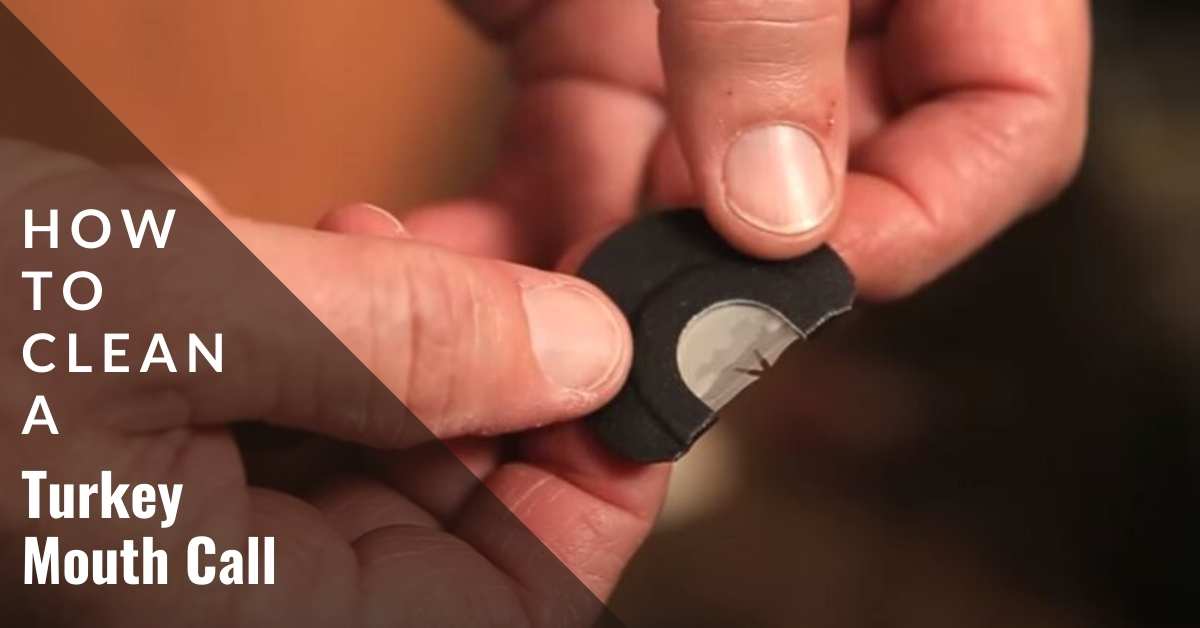
How to Clean a Turkey Mouth Call

Cleaning a turkey mouth call requires a 1:1 mouthwash-and-water solution soak for 15-20 minutes, followed by thorough drying and refrigeration. This routine eliminates bacteria from the mouth contact surface and preserves the latex diaphragm’s elasticity for peak sound performance.
Turkey mouth calls require regular cleaning because they contact the mouth directly during use. A 1:1 mouthwash-to-water solution dissolves at pH 3.5-4.5, killing most oral bacteria within 5 minutes of exposure. The latex diaphragm absorbs moisture and saliva during use, making it susceptible to bacterial growth if not properly maintained.
How to Clean a Turkey Mouth Call: Step-by-Step
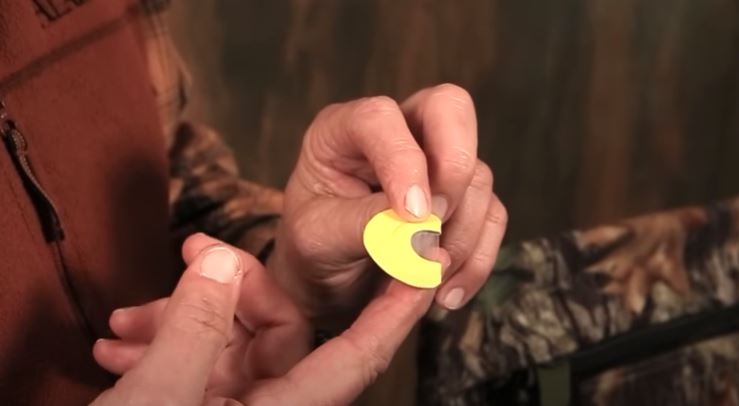
Turkey mouth calls produce turkey sounds that convince wild turkeys to lower their guard, making them vulnerable to hunters. These calls contact the mouth directly, accumulating saliva, moisture, and oral bacteria with each use. Without proper cleaning, bacterial growth degrades the latex diaphragm and poses a hygiene risk.
The diaphragm is particularly vulnerable to damage from improper cleaning agents or excessive soaking times. Following this step-by-step procedure preserves both hygiene and call performance.
Step 1: Prepare the Cleaning Solution
Mix equal parts antiseptic mouthwash and warm water in a small container. A standard 1:1 dilution ratio creates a pH of 3.5-4.5, which kills oral bacteria within 5 minutes of exposure. Avoid using plain water alone—it lacks antibacterial properties. Alcohol-free mouthwashes are gentler on latex but may require a slightly longer soak.
Step 2: Soak the Call for 15-20 Minutes
Submerge the mouth call completely in the solution for exactly 15-20 minutes. Soaking beyond 20 minutes causes the latex diaphragm to absorb excess moisture, permanently altering its density and affecting sound output. The call should be fully covered but not compressed against container walls.
Step 3: Rinse and Pat Dry
Remove the call from the solution and rinse both sides with clean water for 30 seconds to eliminate any residual mouthwash. Pat dry immediately using paper towels, absorbing all excess moisture from both the diaphragm surface and the base. Do not rub vigorously—latex tears easily under friction.
Step 4: Refrigerate for 30 Minutes
Place the dried call in a clean, unsealed plastic bag and refrigerate for 30 minutes at standard refrigerator temperature (35-40°F / 1.5-4°C). Refrigeration causes the latex to contract uniformly, restoring its original density and ensuring consistent sound pitch. Do not freeze—freezing temperatures cause latex to become brittle and crack.
Separating Turkey Call Reeds: Quick Method
Turkey call reeds are thin, flexible latex strips that vibrate to produce sound. These components separate easily and stick together due to static electricity and ambient moisture. Once stuck, the reeds clump and produce no sound.
Reed separators are specifically designed to separate stuck reeds without damage. Insert the flat edge between the stuck reeds and gently rotate to peel them apart. Most quality reed separators cost under $10 and last for years.
Without a reed separator, use a wooden toothpick to carefully separate the edges of the stuck reeds. Work from the outer edge inward, applying even pressure. This technique works but requires patience to avoid tearing the thin latex.
Diaphragm Call Care: Maintenance Tips
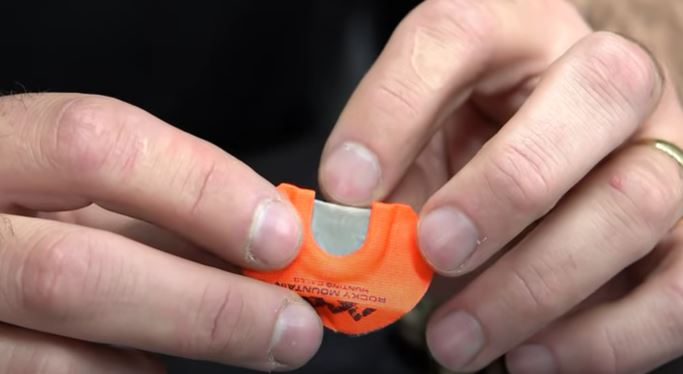
Diaphragm calls differ from reed calls—instead of individual vibrating strips, they use a single latex sheet stretched across a frame. Diaphragm calls produce a wider range of sounds and are preferred for calling flocks of turkeys.
Store diaphragm calls in their original hard cases when not in use. The case maintains diaphragm tension and protects the latex from dust, moisture, and physical damage that degrades sound quality.
Wash Before Each Hunt
Prepare diaphragm calls the night before a hunt using the same 1:1 mouthwash solution described above. Soak for 15-20 minutes, rinse thoroughly, and pat dry. Pre-hunt preparation ensures the call is sanitized and at optimal moisture level when you need it.
Proper Drying Technique
Air dry diaphragm calls below a fan set to low speed, or pat dry with paper towels. Never use heat sources—hairdryers, sunlight, or radiators cause the latex to contract unevenly, permanently changing the call’s pitch and sensitivity. The ideal drying environment is 68-72°F (20-22°C) at 40-60% relative humidity.
Refrigeration Storage Protocol
Store diaphragm calls in the refrigerator for 30 minutes after cleaning and before each use. Standard refrigerator temperatures (35-40°F / 1.5-4°C) cause the latex to reach equilibrium density, producing consistent pitch and volume. Remove from the refrigerator 5 minutes before use to allow the diaphragm to reach room temperature for optimal flexibility.
Turkey Mouth Call Lifespan: What to Expect
A quality turkey mouth call lasts 2-3 years with proper maintenance. The base disc (made from slate, glass, wood, or aluminum) outlasts the diaphragm indefinitely when kept clean and dry. However, latex diaphragms and tape components require replacement every 3-6 months depending on frequency of use.
Signs a diaphragm needs replacement include visible cracks, permanent deformation, inconsistent pitch across different blowing pressures, or a hollow/flaty tone that differs from the original sound quality. Replace latex immediately when these symptoms appear—damaged diaphragms produce unrealistic sounds that educate turkeys to ignore calls.
Mastering Turkey Mouth Call Techniques
Producing realistic turkey sounds with a mouth call requires practice and understanding of how lip positioning affects pitch and volume. These techniques separate successful turkey hunters from those who return empty-handed.
- Form lips into an “O” shape and blow to produce the base Yelp sound.
- Moisten reeds with saliva before each use for consistent vibration.
- Position reeds facing forward toward the teeth for precise control.
- Use locator calls (owl hoot, crow call) before attempting mouth calls.
- Alternate between Yelp, clucks, and purrs when calling individual turkeys versus flocks.
- Replace latex and tape immediately at first sign of damage—torn components produce inconsistent sounds that educate turkeys.
Frequently Asked Questions
How do you produce turkey sounds with a mouth call?
How do you clean anchor rope?
What is the difference between turkey and pheasant calls?
What materials are turkey mouth calls made from?
References
- National Wild Turkey Federation. (2022). Turkey Hunting Heritage Program. NWTF.
- U.S. Food and Drug Administration. (2021). Cleaning and Sanitizing Guidance for Food Equipment. FDA.
- Centers for Disease Control and Prevention. (2023). Infection Control: Disinfection Classification and pH Requirements. CDC.
Conclusion
Turkey mouth calls are made from latex diaphragms stretched over slate, glass, wood, or aluminum bases. While these materials are durable, regular cleaning with a 1:1 mouthwash solution for 15-20 minutes followed by refrigeration maintains hygiene and preserves sound quality.
Proper care extends diaphragm life to 2-3 years and prevents bacterial contamination from mouth contact. If you’re also maintaining slate turkey calls or glass turkey calls, those require different cleaning methods focused on the call surface rather than the diaphragm.
Eliminate pathogens from your turkey mouth call by cleaning before each hunt. Happy turkey hunting!

