
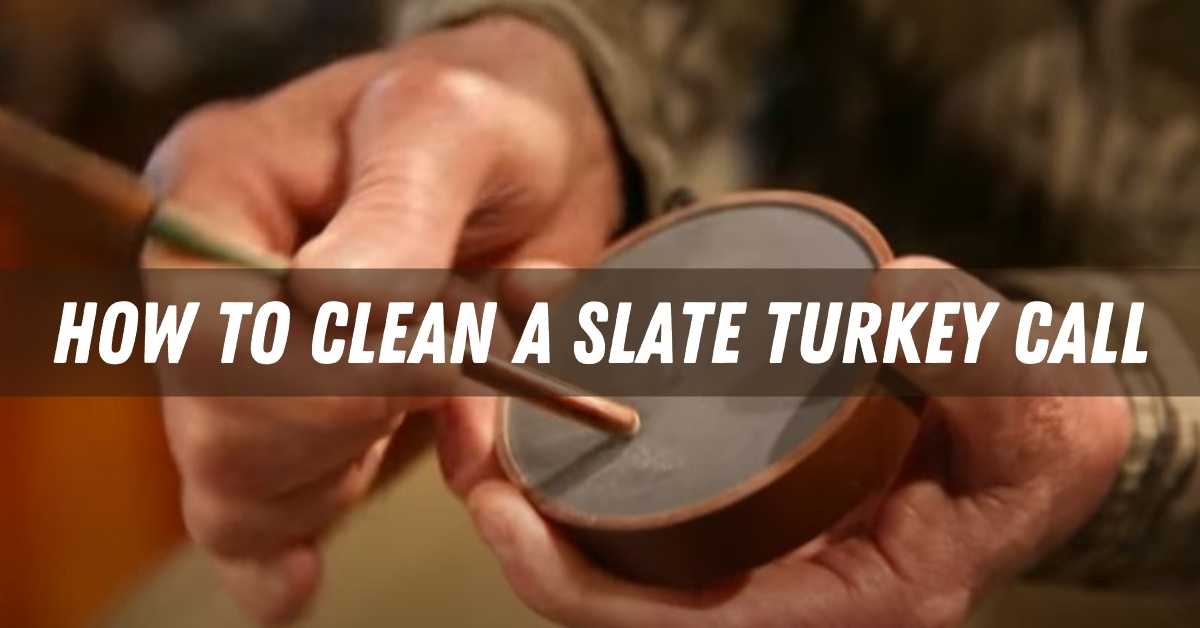
How to Clean a Slate Turkey Call

Slate turkey calls lose their cutting edge after 2–3 weeks of regular use. The friction surface becomes glazed, reducing volume and tonal accuracy. Resurfacing with a 220-grit scouring pad restores the slate’s ability to produce sharp, high-volume yelps, clucks, and purrs within 5–7 minutes of maintenance.
Cleaning both the slate surface and the striker tip with a Scotch Brite pad eliminates the oil, moisture, and debris that deaden sound production. This guide covers the complete resurfacing procedure, surface-specific maintenance for glass and ceramic calls, and striker care protocols used by competitive turkey hunters.
Slate Turkey Call Care: Essential Maintenance Guide
Neglecting a slate call damages the tool’s performance. Glazed surfaces produce flat, lifeless sounds that fail to attract turkeys at 50+ yards. Regular maintenance keeps the slate surface within the 220–240 grit range required for optimal friction call operation.
Rough Up the Surface
New slate pots arrive with a smooth, factory-finished surface that produces weak calls. The surface requires conditioning to 220–240 grit before first use. A 220-grit aluminum oxide sandpaper or equivalent scuff pad creates the microscopic abrasive profile needed for consistent sound generation.
Keep Your Hands Away
Skin oils and moisture transfer to the slate surface on contact. This contamination seals the abrasive pores and reduces friction coefficient by up to 40%, according to friction call manufacturers. Always handle slate calls by the edges or while wearing nitrile gloves.
Cover the Slate Pot
Store slate calls in a protective pouch or hard case. Debris in pockets creates micro-scratches that accumulate over time, requiring more aggressive resurfacing. A cover prevents dust, moisture, and UV exposure that degrade the adhesive bond between the slate layer and the call pot.
Maintain the Striker
A worn striker tip produces uneven sounds regardless of slate condition. The striker’s striking surface must match the grit level of the slate — typically maintained at 220–240 grit. Replace strikers when the material wears below 3/16 inch thickness at the tip.
How to Clean a Slate Turkey Call: Step-by-Step Procedure
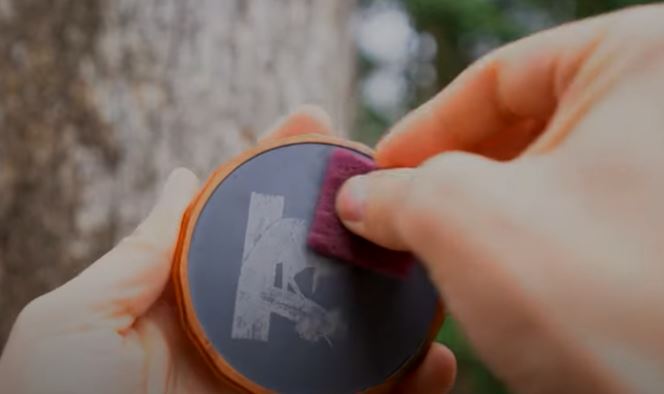
A glazed slate surface causes call failure. Dirt, oil, and moisture migrate into the friction surface during use, filling the microscopic pores that generate sound. The following six-step procedure restores full performance in under 10 minutes.
Step 1: Arrange Cleaning Tools
Gather a Scotch Brite heavy-duty scouring pad (green), a clean microfiber cloth, and a striker condition stone if available. Avoid using household cleaners, solvents, or water — these introduce moisture into the slate’s porous structure and accelerate re-glazing. The Scotch Brite pad provides approximately 220-grit abrasion, matching the target surface profile.
Step 2: Attach the Pad to the Slate Surface
Fold the scouring pad once to create a stable gripping surface. Place it flat against the slate face. Apply firm, even pressure. For smaller pots, fold the pad to fit the curved interior surface of the call.
Step 3: Rub the Pad Vertically
Move the pad in straight vertical strokes at approximately 1 stroke per second. Maintain consistent pressure throughout each pass. Continue for 30–45 seconds until the surface appears uniformly refreshed. Avoid circular motions — these create uneven wear patterns.
Step 4: Rub the Pad Horizontally
After vertical conditioning, switch to horizontal strokes for 30–45 seconds using the same pressure and cadence. This two-directional approach creates a crosshatch abrasive pattern that optimizes friction across all strike angles used in turkey calling.
Step 5: Wipe Clean with a Dry Cloth
Use a clean microfiber cloth to remove all loose abrasive residue from the slate surface. Wipe in a single direction to avoid re-depositing material into the pores. The slate should feel slightly rough but not gritty to the touch.
Step 6: Condition the Striker Tip
Wrap a small piece of scouring pad around the striker tip. Spin the striker against the pad while applying moderate pressure for 20–30 seconds. This resurfaces the striker to match the slate’s grit profile. A mismatched striker-to-slate grit ratio causes tonal inconsistency.
Surface-Specific Cleaning Procedures
Turkey calls use three primary surface materials: slate, glass, and ceramic. Each requires specific maintenance protocols to preserve sound quality and extend call life.
| Surface Type | Grit Range | Conditioning Tool | Resurfacing Frequency | Best For |
|---|---|---|---|---|
| Slate | 220–240 grit | Scotch Brite pad or 220-grit sandpaper | Every 2–3 weeks or 10–15 hunting sessions | Warm, realistic yelps; beginner to advanced |
| Glass | 240–320 grit | 220–240 grit sandpaper or lens wipe | Every 3–4 weeks or as needed | Sharp, cutting sounds; high-volume locations |
| Ceramic | N/A (uses stone) | Conditioning stone or 320-grit wet/dry paper | Every 4–6 weeks | Consistent tone; premium hunting situations |
| Box Call | 120–320 grit | Scouring pad or chalk application | Every 4–8 weeks | Traditional hunting; open terrain |
Cleaning Glass Surface Turkey Calls
Glass surfaces require finer grit conditioning than slate. Use 220–240 grit sandpaper for initial conditioning, then progress to 320 grit for maintenance. Full glass turkey call cleaning guide is available. The glass surface produces cutting sounds at higher frequencies — ideal for open fields where volume carries.
Cleaning Ceramic Surface Turkey Calls
Ceramic surfaces use a conditioning stone rather than sandpaper. The stone applies consistent pressure across the entire face, eliminating high spots. Use a Arkansas sharpening stone or commercial call conditioning stone. Avoid water — ceramic surfaces are hydrophilic and absorb moisture, which alters the pitch.
Cleaning Box Turkey Calls
Box calls use wood surfaces treated with chalk or commercial call paste. Sandpaper in the 120–320 grit range removes old coating. Most hunters reapply chalk after every 5–7 hunting trips. Surface care principles from tile cleaning apply to box call wood conditioning.
Turkey Call Types and Their Characteristics
The turkey call market offers four primary call designs. Each produces distinct sound profiles suited to specific hunting scenarios and skill levels.
Pot Turkey Call

Pot calls dominate modern turkey hunting due to their versatility. The friction surface (slate, glass, or ceramic) sits in a molded pot. The striker scratches across the surface to produce yelps, clucks, purrs, and kee-kees. Surface material determines sound character — slate offers warmth, glass provides cutting volume, and ceramic delivers consistent pitch. Floor cleaning friction-surface principles parallel pot call maintenance.
Box Turkey Call
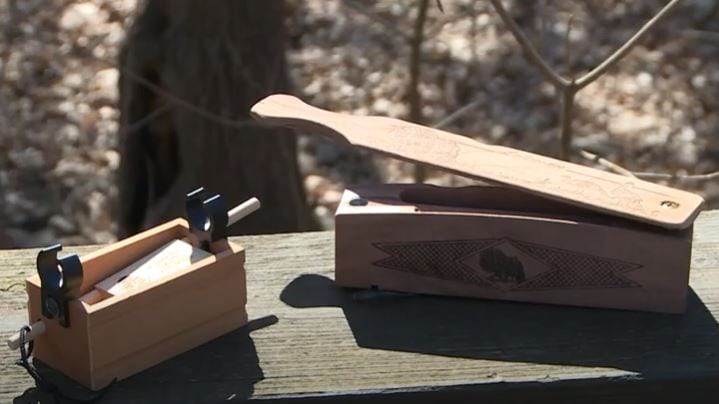
Box calls produce the most realistic turkey sounds available. A wooden box with a lid striker requires wrist action to control volume and tone. These calls demand more skill but reward experienced hunters with unmatched sound quality. Box calls use 120–320 grit surfaces and require chalk reapplication every 5–7 outings.
Mouth Turkey Call
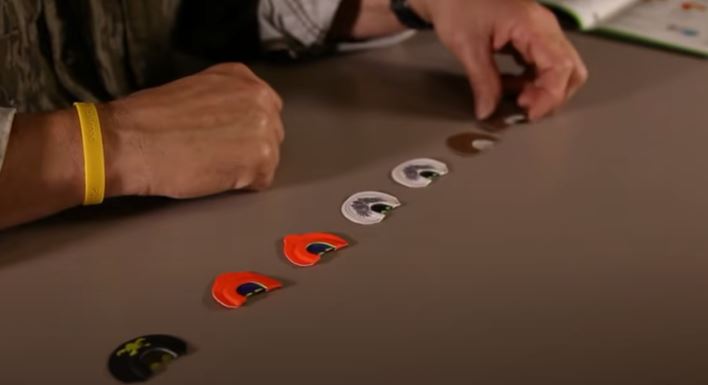
Mouth calls (鸭口哨 in some international markets) use a flexible latex or plastic reed system. The caller shapes sounds with tongue and lip positioning. These calls excel for hunters covering rough terrain, as both hands remain free. Mouth calls require cleaning the reed system after every use — moisture buildup causes mold and degrades the latex. Mouth call cleaning guide covers this maintenance in detail.
Push/Pull Turkey Call
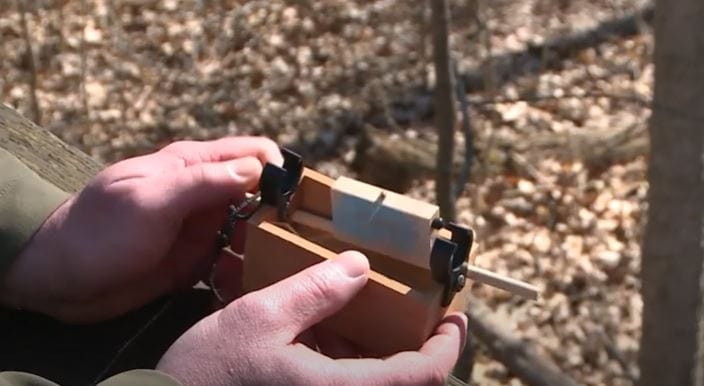
Push/pull calls use a spring-loaded striker activated by pushing or pulling a wooden peg. The sound profile leans toward cutting, aggressive yelps suited for run-and-gun hunting in open terrain. The wooden striker requires conditioning with 220-grit sandpaper every 4–6 weeks.
Sandpaper Grit for Slate Turkey Calls
Slate turkey calls require 220–240 grit for conditioning. Lower numbers indicate coarser abrasives suitable for aggressive resurfacing of badly glazed surfaces. Higher numbers (280–320) produce smoother surfaces preferred by some hunters for subtle purrs and kee-kees.
For heavily glazed slate, start with 120-grit to remove the glazed layer, then progress to 220-grit for working surface. Skip directly to 220-grit for routine maintenance. Always condition in two directions (vertical then horizontal) to create a crosshatch pattern.
Using Sandpaper on Slate Calls
Sandpaper outperforms green scouring pads for precision conditioning. The controlled grit size produces consistent abrasion depth. Use aluminum oxide sandpaper in 220–240 grit for maintenance, or 120-grit for aggressive re-surfacing.
When using sandpaper, wrap it around a hard backing block to maintain flat contact. Wet sanding is not recommended for slate — moisture penetrates the porous material and requires extended drying time before the next use. Cleaning chemistry principles explain why pH-neutral dry abrasion works best for mineral surfaces.
Condition both the slate surface and the striker tip to the same grit specification. A coarse striker on a fine slate surface (or vice versa) produces tonal dead spots and inconsistent volume across the calling range.
Quick-Reference: Grit Selection Guide
- 120 grit: Heavy resurfacing — remove glaze or repair damage
- 180 grit: Intermediate — transition between aggressive and maintenance
- 220 grit: Standard maintenance — recommended default setting
- 240 grit: Fine finish — smooth calls for subtle purrs and kee-kees
- 320 grit: Ultra-fine — glass surface finish, rarely used on slate
Conclusion
A clean, properly conditioned slate turkey call produces sharp, realistic turkey sounds that trigger responses at 50+ yards. Glazed surfaces cause call failure — resurfacing with a 220-grit scouring pad restores full performance in under 10 minutes. Clean both the slate and striker tip to the same grit specification for consistent tonal output.
Follow the six-step cleaning procedure after every 2–3 weeks of regular use or 10–15 hunting trips. Store calls in a protective case, handle by edges only, and resurface the striker tip when it wears below 3/16 inch thickness. Cleaning terminology glossary and specialty cleaning hub provide additional resources.
References
- National Wild Turkey Federation (NWTF). (2024). Turkey Call Selection and Maintenance Guidelines. NWTF.
- Primos Hunting. (2023). Turkey Call Care and Maintenance. Primos.
- Ray, D. (2021). Turkey Hunting Essentials. National Geographic Partners.
- ASTM International. (2020). Friction Material Testing Standards. ASTM International.

