
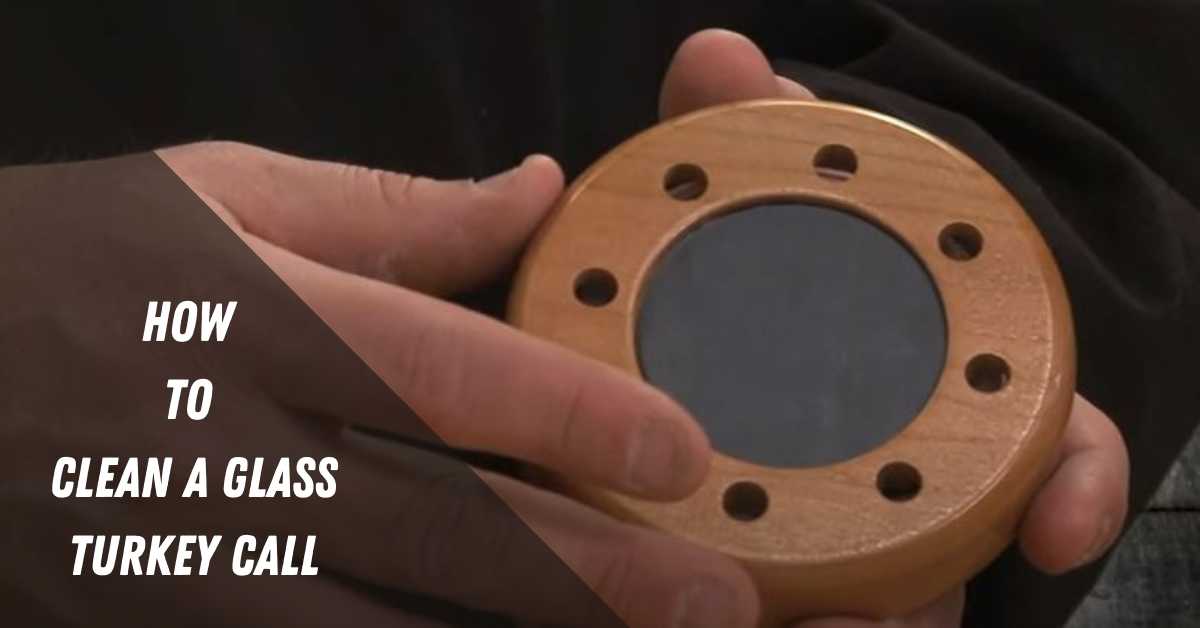
How to Clean a Glass Turkey Call

Glass turkey calls require 180–200 grit sandpaper and a single-direction cleaning technique to restore friction surface optimal for producing turkey sounds. Clean the glass friction surface by scrubbing in one direction only, then remove particulate debris with a dry cotton cloth before storing the call in a cool, dry location.
Only sandpaper between 180 and 200 grit is needed to clean a glass turkey call. Start by cleaning the turkey call’s center friction surface. Apply light pressure and scrub in a single direction to avoid creating random scratches that degrade sound quality. Making noise with the striker will put an end to the cleaning operation.
Glass Turkey Call Maintenance Guide
A well-maintained glass turkey call produces consistent yelps, clucks, and purrs that attract turkeys within hearing range. Regular cleaning prevents friction surface degradation and extends the call’s effective service life to 10–15 years with proper care.
Glass vs. Crystal vs. Ceramic Turkey Calls: Comparison
| Call Type | Cleaning Method | Grit/ abrasive Required | Surface Prep |
|---|---|---|---|
| Glass | 180–200 grit sandpaper, single direction | 180–200 | Scratch glass surface before first use |
| Crystal | Dry hardware cloth only | N/A (non-abrasive) | Condition with dry cloth only |
| Ceramic | Alcohol prep pads + scotch pad | N/A (chemical cleaning) | Wipe scratched surface with alcohol |
| Pottery/Clay | Fine steel wool + water | 0000 steel wool | Wet-sand with light pressure |
Glass Turkey Call Specifications
- Required grit range: 180–200 (aluminum oxide or silicon carbide sandpaper)
- Scratch direction: Single direction only—never circular motion
- Cleaning pressure: Light to moderate—heavy pressure causes deep scratches
- Debris removal: Dry cotton cloth or compressed air at 15–20 PSI
- Storage temperature: 50–80°F (10–27°C) away from direct sunlight
- Humidity range: 30–50% relative humidity to prevent wood component warping
How to Prepare a Glass Turkey Call for First Use
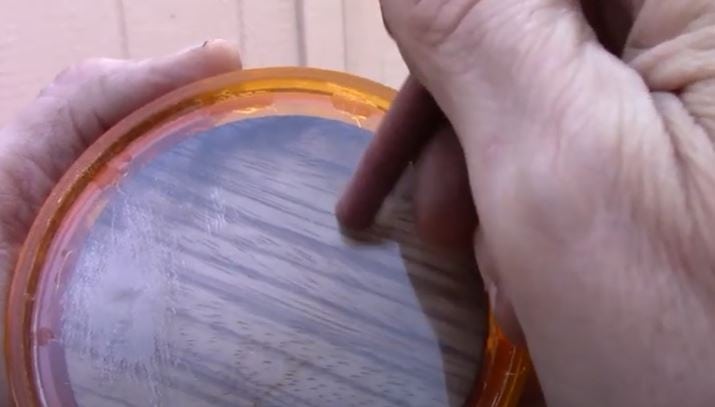
New glass turkey calls arrive with an unscratched, polished glass surface that produces no sound. The friction surface must be deliberately roughened before the call functions properly.
- Use 100 grit sandpaper to roughen the glass surface for initial sound production
- Sand in a consistent back-and-forth motion until the surface shows white, frosted marks
- Wipe away all sanding residue with a dry cloth before first use
- Test the call by running the striker along the scratched surface—no scratching means additional sanding is required
How to Clean a Glass Turkey Call: Step-by-Step
The glass turkey call cleaning process takes approximately 10–15 minutes and requires only 180–200 grit sandpaper and a clean cotton cloth.
Step 1: Select Proper Sandpaper Grit
Use 180–200 grit aluminum oxide or silicon carbide sandpaper. Grits below 180 create excessively rough surfaces that produce harsh, unrealistic sounds. Grits above 200 smooth the surface too much, reducing friction and volume.
Step 2: Clean in a Single Direction
Hold the sandpaper stationary and move the turkey call in one direction only—never scrub back and forth. Single-direction scratches create consistent friction channels that produce uniform turkey sounds. Bidirectional or circular motion creates chaotic scratch patterns that generate unwanted noise.
Step 3: Remove Particulate Debris
After sanding, remove all glass particles and dust from the friction surface. Do not blow on the surface or touch it with bare fingers—both methods leave moisture or oils that affect sound quality. Use a dry cotton cloth or compressed air at 15–20 PSI to clean the surface thoroughly.
Step 4: Test Sound Quality
Run the striker along the cleaned surface to verify proper sound production. A correctly cleaned surface produces clear yelps and clucks. Re-sand lightly if the sound is muffled or inconsistent.
How to Condition a Crystal Turkey Call
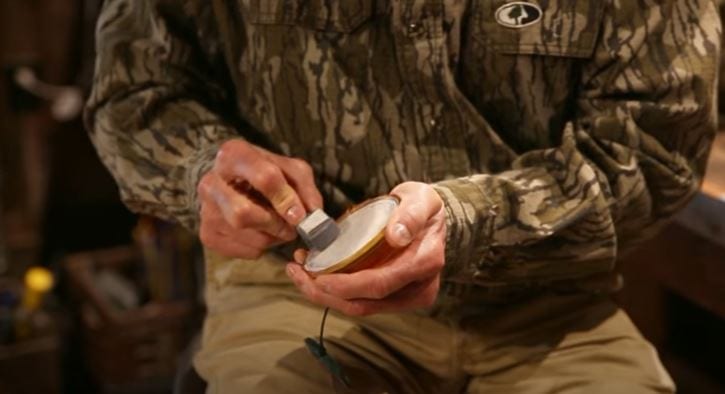
Crystal turkey calls require different maintenance than glass calls. The crystal surface scratches more easily and responds poorly to abrasive cleaning methods.
Use Dry Hardware Cloth Only
Clean crystal turkey calls with dry hardware cloth only—no sandpaper. Sandpaper damages crystal surfaces irreparably, leaving gouges that produce cracked, unrealistic sounds. Hardware cloth provides gentle abrasion sufficient for conditioning without risk of deep scratches.
Ensure the Cloth is Completely Dry
Moisture damages crystal turkey call components and promotes surface degradation. Always clean with fully dry hardware cloth. Allow the call to acclimate to room temperature (68–72°F) before use if stored in cold conditions.
Use Side-to-Side Motion
Condition crystal calls by running the striker side-to-side along the friction surface—not in circular motions. Side-to-side strokes create parallel friction channels that replicate natural turkey vocalizations more accurately than random scratch patterns.
How to Care for a Ceramic Turkey Call
Ceramic turkey calls offer durability advantages over glass and crystal models but require specific cleaning supplies to maintain optimal performance.
Alcohol Prep Pads for Surface Cleaning
Clean ceramic turkey call friction surfaces with 70% isopropyl alcohol prep pads. Alcohol removes oils from the striker and friction surface without abrasive damage. A standard box of 100 alcohol prep pads costs approximately $10–15 and provides several months of cleaning supply for regular callers.
Scotch Brite Pads for Striker Maintenance
Polish the striker surface using a Scotch Brite pad. Hold the pad stationary and twist the striker in its center while applying light pressure. This process smooths striker rough spots and restores consistent sound quality within 30–60 seconds of maintenance.
Side-to-Side Direction for All Ceramic Cleaning
Clean ceramic calls using side-to-side strokes only. Straight-line scratches produce more realistic turkey sounds than circular or random patterns. Test sound quality after each cleaning pass to avoid over-smoothing the ceramic surface.
Critical Maintenance Tips for Glass Turkey Calls
Follow these guidelines during every cleaning session to maximize call longevity and sound quality.
Avoid Excessive Pressure During Sanding
Heavy sanding pressure creates deep scratches that produce harsh, unrealistic sounds. Use light to moderate pressure—let the grit do the work. Light pressure with 180–200 grit produces an optimal friction surface within 20–30 strokes.
Master Proper Striker Technique
Two striker techniques produce the most realistic turkey sounds: oval/semi-circular strokes and short linear scratches. Alternate between techniques to produce varied turkey vocalizations including yelps, clucks, and purrs.
Clean Before Each Hunting Season
Sand the friction surface with 180–200 grit before each hunting season to restore optimal texture. Even light use smooths the surface over time—re-sanding compensates for this degradation and ensures consistent volume and tone.
Never Expose Wood Components to Water or Sunlight
Glass turkey calls contain wood components that warp when exposed to moisture or prolonged sunlight. Never soak a turkey call in water or leave it in direct sunlight. Store in a ventilated case at temperatures between 50–80°F (10–27°C) and humidity below 50%.
Use a Silica Gel Desiccant for Storage
Place silica gel packets in the storage case to absorb ambient moisture and prevent wood component degradation. Replace desiccant packets every 3–6 months or when they appear saturated.
Turkey Call Type vs. Cleaning Method Reference
| Call Material | Primary Cleaning | Striker Cleaning | Storage |
|---|---|---|---|
| Glass | 180–200 grit sandpaper | Dry cloth | Cool, dry case |
| Crystal | Dry hardware cloth | Dry cloth only | Padded case |
| Ceramic | Alcohol prep pads | Scotch Brite pad | Hard case |
| Laminate | 200–220 grit sandpaper | Damp cloth | Flat storage |
Pheasant Cleaning vs. Turkey Call Maintenance: No Similarities
Turkey calls and game bird cleaning serve entirely different purposes and require completely different maintenance approaches. While cleaning a pheasant for transport involves feather removal, organ extraction, and food safety protocols, turkey call maintenance focuses entirely on preserving the friction surface and striker mechanism.
Conclusion
Glass turkey calls cleaned with 180–200 grit sandpaper in a single direction produce the most realistic turkey sounds. Clean the friction surface before each hunting season, store in a cool dry location, and never expose wood components to water or direct sunlight. These maintenance practices extend call service life to 10–15 years.
Hunters who prefer mouth calls for turkey hunting should explore our dedicated guide to mouth call cleaning and conditioning. Turkey calls of all types—glass, crystal, ceramic, or mouth—deliver decades of service when properly maintained.
References
- National Wild Turkey Federation. (2024). Turkey Calling Fundamentals. NWTF.
- U.S. Fish & Wildlife Service. (2023). Migratory Bird Hunting Regulations. USFWS.
- Pradetto, B. (2019). Turkey Hunting Essentials: Equipment Care and Maintenance. Wildlife Sports Journal.
- ASTM International. (2022). Standard Specification for Turkey Friction Calls. ASTM F2400.

