

Why Is Dust Grey?

Dust appears grey because airborne carbon particles—produced from the incomplete combustion of organic matter—coat other particles and absorb most wavelengths of visible light. Household dust consists of 20–50% dead skin cells by volume, along with pollen, textile fibers, mineral particles, and soil contaminants from outdoors.
Dust is grey because carbon particles—produced by incomplete combustion of organic matter—coat other particles and absorb most visible wavelengths. A typical indoor dust sample contains 20–50% dead skin cells, with the remainder being pollen, textile fibers, mineral particles, and soil tracked in from outside.
Why Dust Appears Grey: The Science Behind the Color
Dust particles measure 0.5 to 10 microns in diameter for respirable dust, according to occupational health standards. These particles come from many sources—and each source has a different natural color.
Despite the variety of colors in individual particles, dust consistently appears grey because a thin layer of elemental carbon coats each particle. This carbon forms from the incomplete combustion of organic matter—such as wood, plant material, and common household materials—whenever dust is disturbed and becomes airborne.
This carbon coating absorbs across the visible light spectrum, masking the original colors of the underlying particles and creating the characteristic grey appearance. The EPA notes that particles smaller than 10 micrometers are small enough to penetrate deep into the lungs and, in some cases, enter the bloodstream.
Dust Particle Science: Sizes and Properties
Dust is defined as solid particles smaller than 500 micrometers (half a millimeter) in diameter. Respirable dust—particles small enough to reach the lower respiratory tract—measures less than 10 micrometers. The most hazardous particles for human health fall between 0.5 and 5 micrometers because they bypass the body’s natural filtration defenses and deposit in the alveoli of the lungs.
Particles in this size range stay suspended in indoor air for hours. According to the EPA, indoor PM levels often exceed outdoor levels because indoor activities—cooking, cleaning, walking on carpets—continuously generate new particles.
HEPA filters capture 99.97% of particles at 0.3 micrometers, which is the most difficult particle size to filter (called the Most Penetrating Particle Size, or MPPS). HEPA filters exceed MERV 16 ratings and use three mechanisms: diffusion for particles below 0.1μm, interception for mid-size particles, and impaction for larger particles.
What Is Inside Your Dust: Composition Breakdown
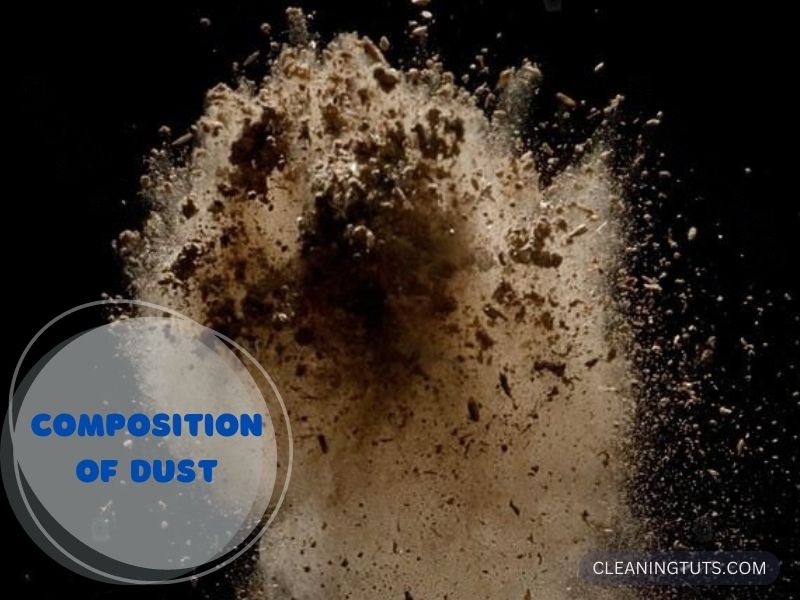
Indoor dust consists of 20–50% dead skin cells by volume. The remaining composition includes plant pollen, human and pet hairs, textile fibers from clothing and bedding, paper fibers, mineral particles from outdoor soil tracked indoors, and trace amounts of burnt meteorite particles.
Common elements found in dust samples include calcium, silicon, aluminum, iron, and copper. Some dust also contains heavy metals such as lead, mercury, and arsenic—typically from indoor sources like old paint, treated woods, or industrial products.
These elements are measurable not only in dust but also in the air you breathe and the water you drink, making proper dust management essential for indoor air quality.
Common Types of Dust Found in Homes
Household Dust
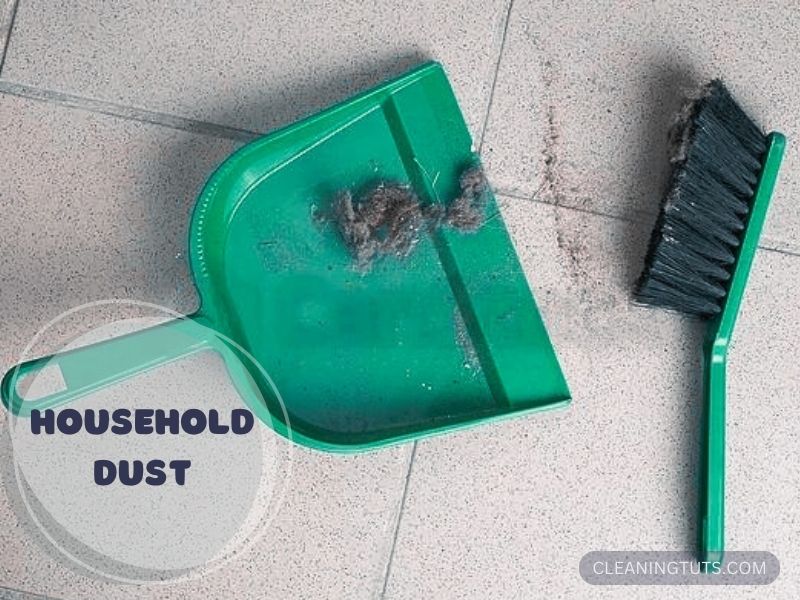
Household dust includes carpet fibers, drywall fragments, dead skin cells, and soil particles tracked in from outside. This type of dust significantly impacts people with allergies or asthma, as it contains dust mite allergens, pet dander, and pollen—all of which trigger immune responses. Learn how to control dust with proper floor care in our Floor Cleaning Master Guide.
Tobacco Dust
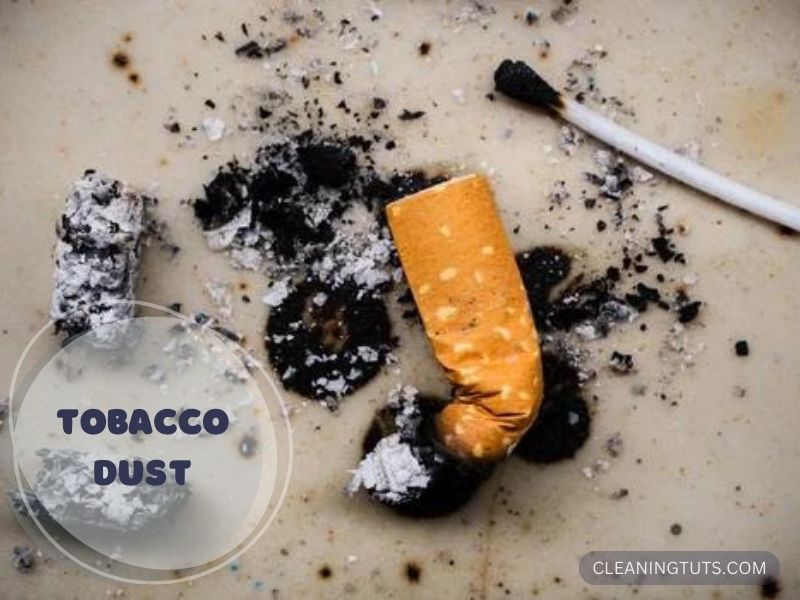
Tobacco dust—also called tobacco flakes—is a byproduct of tobacco manufacturing and contains thousands of harmful chemicals and carcinogens. Inhaling tobacco dust causes respiratory irritation, allergic reactions, and long-term lung damage.
Powdered Metal Dust
Powdered metal dust from grinding or polishing operations contains heavy metals such as lead and arsenic. These particles cause neurological damage and organ toxicity when inhaled. Workers in metalworking industries face the highest risk from this type of dust exposure.
Metal Particulate Dust
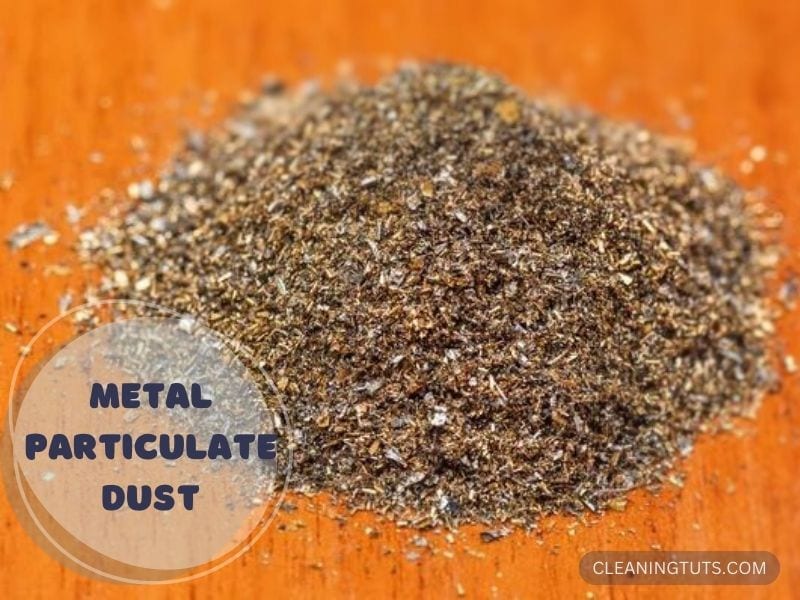
Metal particulate dust results from grinding or machining metal and poses serious health risks. Particles smaller than 10 micrometers can reach the alveoli in the lungs, where they accumulate and cause permanent damage. Metal particulate dust requires proper respiratory protection and industrial filtration systems.
Wood Particulate Dust
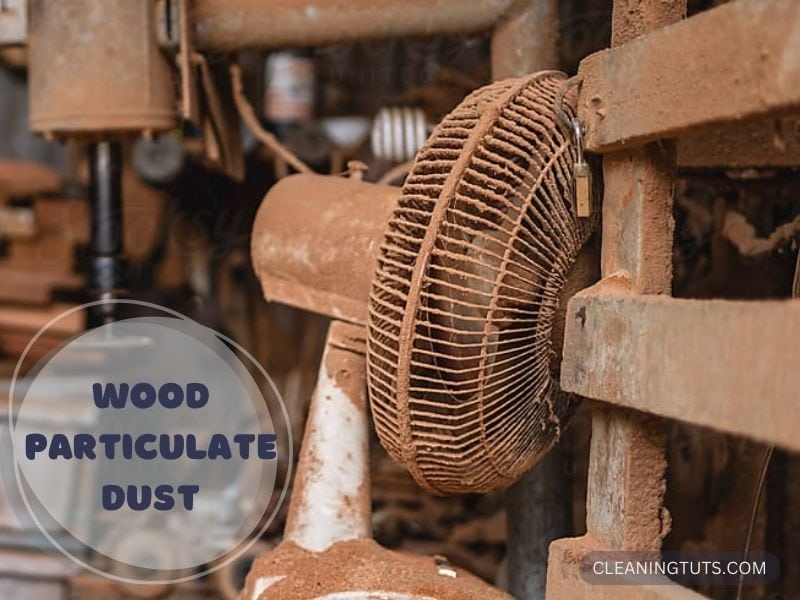
Wood particulate dust from sawmills and woodworking operations contains fewer metal contaminants than metalworking dust but still poses respiratory risks. Wood dust is classified as a carcinogen by IARC, with certain hardwood dusts (oak, beech) linked to nasal and sinus cancers.
Allergic Reactions to Dust
The most common immune response to inhaled dust is an allergic reaction. Symptoms include sneezing, runny nose, itchy and watery eyes, and—in severe cases—anaphylactic shock. Dust allergies are triggered by dust mite feces, pet dander, and pollen particles embedded in dust. Our Stain Removal Guide covers how to reduce allergen accumulation in your home.
Inhalation of Dust Particles
Particles between 0.5 and 5 micrometers reach the lower respiratory tract and can cause throat irritation, chest tightness, shortness of breath, coughing, and fever. The EPA states that particles smaller than 10 micrometers are inhalable and can penetrate deep into lungs, with some entering the bloodstream.
Inhalation of Metal Particles
Metal particles in dust cause serious complications including COPD, lung fibrosis, and neurological damage. Lead particles affect cognitive development in children; mercury particles damage kidney function. Workers in metalworking environments must use NIOSH-approved respirators rated for the specific metal contaminants present.
Inhalation of Metal-Coated Particles
Metal-coated particles such as steel wool fragments or iron filings cause respiratory problems and lung damage when inhaled. The metal coating prevents natural clearance mechanisms from removing these particles, leading to chronic inflammation and reduced lung function.
Health Risks of Dust Exposure
Respiratory Damage from Inhaling Dust
Particles smaller than 10 micrometers penetrate deep into the lungs and cause damage to lung tissue. Exposure causes asthma, bronchitis, and silicosis—a disabling and sometimes fatal lung disease caused by crystalline silica dust. The American College of Allergy, Asthma, and Immunology recommends HEPA filtration and regular vacuuming with appropriate filters to reduce indoor dust levels.
Skin Reactions and Dermatitis
Dust causes allergic skin reactions, contact dermatitis, dry skin, and eczema. Repeated exposure leads to chronic skin inflammation and increased sensitivity to other allergens. People with atopic dermatitis are particularly susceptible to dust-triggered flare-ups.
Gastrointestinal Effects
Swallowing dust leads to nausea, vomiting, stomach pain, and diarrhea as the body attempts to expel the contaminants. Heavy metals in dust—such as lead—accumulate in body tissues over time and cause kidney damage, cognitive impairment, and reproductive harm. Symptoms typically subside once exposure stops, but repeated exposure causes cumulative damage.
Chronic Health Conditions from Repeated Exposure
Long-term exposure to indoor dust causes chronic health problems including asthma, chronic bronchitis, COPD, and lung cancer. The EPA reports that indoor air pollution causes 2–3 times higher pollutant concentrations than outdoor air, making home dust management critical for long-term health.
Proven Methods for Dust Prevention

Remove Sensitizing Materials
Eliminate or reduce items that trap allergens: carpets, heavy drapes, upholstered furniture, and decorative pillows. Hard flooring, window blinds, and washable area rugs collect less dust and clean more effectively than textile-heavy interiors.
Establish a Cleaning Schedule
Vacuum carpets and rugs at least twice weekly using a vacuum with a HEPA filter—ordinary filters recirculate fine particles back into the air. Sweep and damp-mop hard floors daily. The EPA recommends changing heating and cooling system filters every 30–90 days and scheduling annual furnace inspections to reduce dust circulation.
Maintain Indoor Humidity
Keep indoor humidity between 30–50% relative humidity using portable humidifiers or dehumidifiers depending on your climate. Humidified air causes dust particles to settle faster, reducing the time they spend airborne and available for inhalation.
Install High-Efficiency Air Filtration
Install HEPA filters in bedroom and living area air purifiers. HEPA filters capture 99.97% of particles at 0.3 micrometers—the most penetrating particle size. Central HVAC systems should use filters rated MERV 13 or higher for effective fine dust removal. Our Vacuum Troubleshooting Guide explains how to maintain your HEPA vacuum for maximum dust capture.
Why Dust Keeps Returning After Cleaning
Dust resettles continuously because it is generated by daily activities: walking on carpets, making beds, operating HVAC systems, and opening doors. A typical bedroom accumulates dust faster than rarely-used rooms because higher occupancy produces more dead skin cells, textile fibers, and tracked-in soil.
Even with daily cleaning, dust settles on surfaces within hours of vacuuming. The EPA notes that indoor PM2.5 (particles smaller than 2.5 micrometers) concentrations often remain elevated for 12–24 hours after a thorough cleaning because fine particles remain suspended until gravity finally pulls them down.
For people with allergies or asthma, elevated dust levels increase symptom triggers. Managing dust requires a combination approach: reduce generation, improve filtration, and clean regularly with appropriate tools.
Controlling Fine Dust: A Complete System
A complete fine dust control system addresses three areas: entry prevention, generation reduction, and active removal.
- Seal entry points: Cover HVAC vents with fine-dust-rated filters (MERV 13 or higher), install door sweeps, and seal gaps around windows and baseboards.
- Reduce generation: Replace incandescent bulbs with LED fixtures (incandescent bulbs burn hot and create more particulate). Maintain HVAC systems—dirty ducts circulate accumulated dust. Replace old vacuum cleaners with HEPA-rated models.
- Active removal: Run air purifiers with HEPA filters continuously in bedrooms and living areas. Use damp mops rather than dry sweeping—dry methods aerosolize fine particles. Wash bedding weekly in water above 130°F (54°C) to kill dust mites.
Air purifiers with true HEPA filters remove 99.97% of particles at 0.3 micrometers, including dust mite allergens, pollen, and pet dander. Place purifiers in bedrooms (where you spend 8 hours nightly) and main living areas for maximum benefit.
Quick-Reference: Dust Facts at a Glance
| Measurement | Value |
|---|---|
| Respirable dust size range | 0.5–10 micrometers |
| HEPA capture efficiency | 99.97% at 0.3μm |
| Dust that reaches alveoli | Particles <5μm |
| Dead skin cell content in household dust | 20–50% by volume |
| Indoor PM vs outdoor PM | 2–3× higher concentration |
| Recommended indoor humidity | 30–50% relative humidity |
Conclusion
Dust appears grey because carbon particles from combustion coat other materials and absorb visible wavelengths. A typical home dust sample contains 20–50% dead skin cells, with the remainder being pollen, textile fibers, mineral particles, and soil—each with their own color but masked by the carbon coating. Particles smaller than 10 micrometers pose the greatest health risk because they reach the lower respiratory tract. Managing dust requires HEPA filtration, regular cleaning with appropriate tools, and humidity control. Visit our Cleaning Glossary for more terminology and definitions.
References
- United States Environmental Protection Agency. (2024). Indoor Particulate Matter. EPA.
- United States Department of Energy. HEPA Filter Standards. Office of Energy Efficiency and Renewable Energy.
- Wikipedia Contributors. (2024). “Dust.” Wikipedia.
- American College of Allergy, Asthma, and Immunology. (2024). Indoor Air Quality Recommendations.


