
Easy and Effective Methods to Clean Brazilian Cherry Hardwood Floors

Brazilian Cherry, also known as Jatoba (Hymenaea courbaril), ranks among the hardest hardwoods available for flooring at approximately 2,350 lbf on the Janka hardness scale. Its rich reddish-brown hue and exceptional durability make it a premium choice for homeowners. However, without proper care, these high-end hardwood floors lose their luster and accumulate damage that becomes expensive to repair.
Start by vacuuming the surface with a hardwood-safe attachment to remove loose dirt and debris. Next, mix a pH-neutral (7-9) hardwood floor cleaner with water and apply it with a wrung-out microfiber mop using straight-line passes. Finally, allow the floor to dry completely—typically 1-2 hours—before walking on it.
Brazilian Cherry Hardwood Floor Care at a Glance
| Hardness Rating | Janka ~2,350 lbf (Jatoba) |
| Ideal Humidity | 30%–50% relative humidity |
| Cleaner pH Range | pH 7–9 (neutral to slightly alkaline) |
| Vinegar Dilution | ¼ cup per 1 gallon warm water |
| Black Tea Steep | 3–10 tea bags in 1.5–2L boiling water, steep 15–20 min |
| Olive Oil Polish | 2 tbsp olive oil + 1 tbsp white vinegar + 2 cups warm water |
| Cleaning Frequency | Dry sweep/vacuum 2–3× weekly; wet mop 1–2× per week |
Cleaning Methods for Brazilian Cherry Hardwood Floors
Excessive dirt accumulation on Jatoba flooring causes surface abrasion, finish degradation, and cupping—a permanent deformation where board edges rise above centers. Prevention requires a consistent routine: dry sweeping or vacuuming 2-3 times per week and wet mopping with a pH-neutral solution 1-2 times weekly. [1]
DIY Home-Based Method for Brazilian Cherry Hardwood Floors
Natural cleaning solutions cost less than commercial products, contain no synthetic fragrances, and are safer for households with children and pets. Follow this step-by-step routine to clean Jatoba floors without damaging the finish.
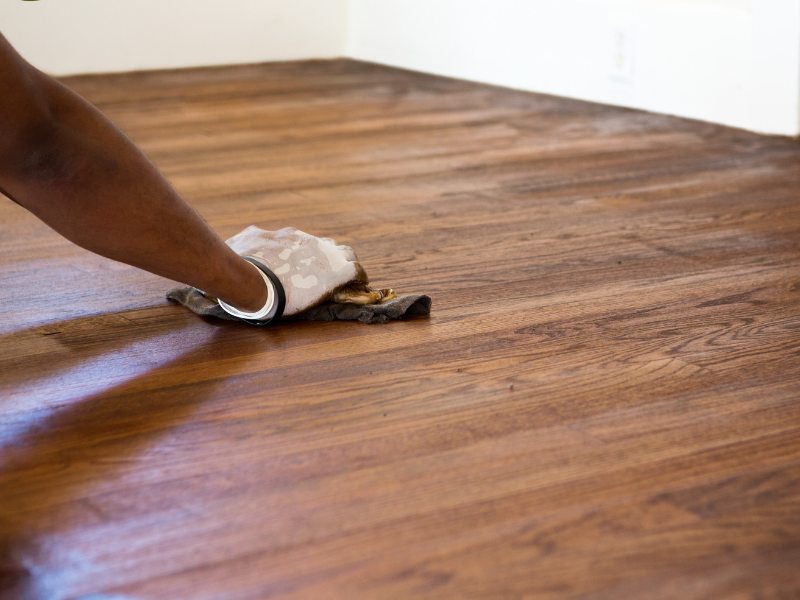
Before beginning, gather these required tools to ensure a thorough and safe cleaning session:
Clear the Space
Remove all furniture, rugs, and loose objects from the floor before cleaning. This prevents redistributed dirt and creates an unobstructed surface for thorough coverage.
Dry Sweep or Vacuum
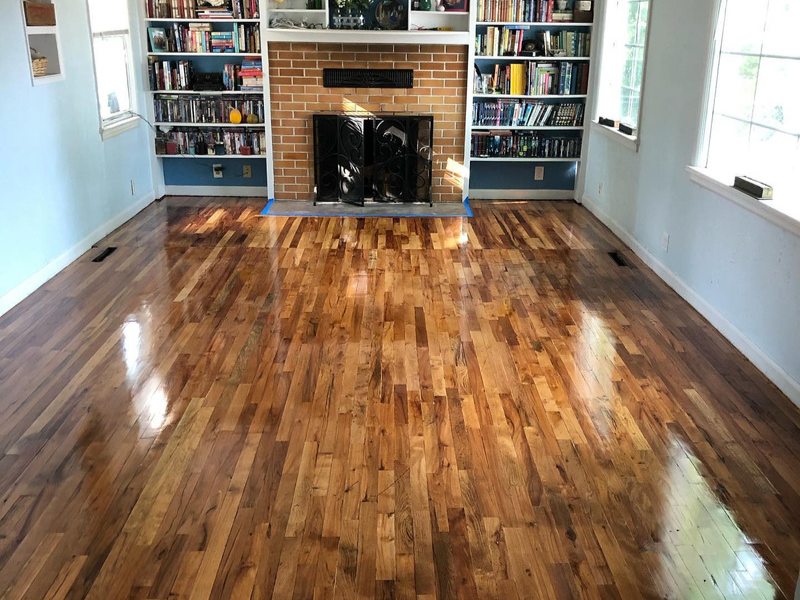
Use a microfiber dust mop or a vacuum with a hardwood floor attachment (brush-head only, no beater bar) to remove loose dust and debris. Pay special attention to corners, edges, and the seams between boards—these areas accumulate the most dirt. [2]
Vacuum cleaners with rotating beater bars scratch Jatoba finishes—the rubberized wheels and brush strips on these attachments generate 8–12 PSI of downward force at the bristle contact point, sufficient to mar a polyurethane-coated surface over repeated use. [3]
Spot Clean Stains Immediately
Blot liquid spills immediately with a microfiber cloth—never rub, as friction drives moisture into the grain seams. For dried stains, apply a small amount of pH-neutral dish soap diluted in warm water directly to the spot, let it sit for 30–60 seconds, then blot clean. [4]
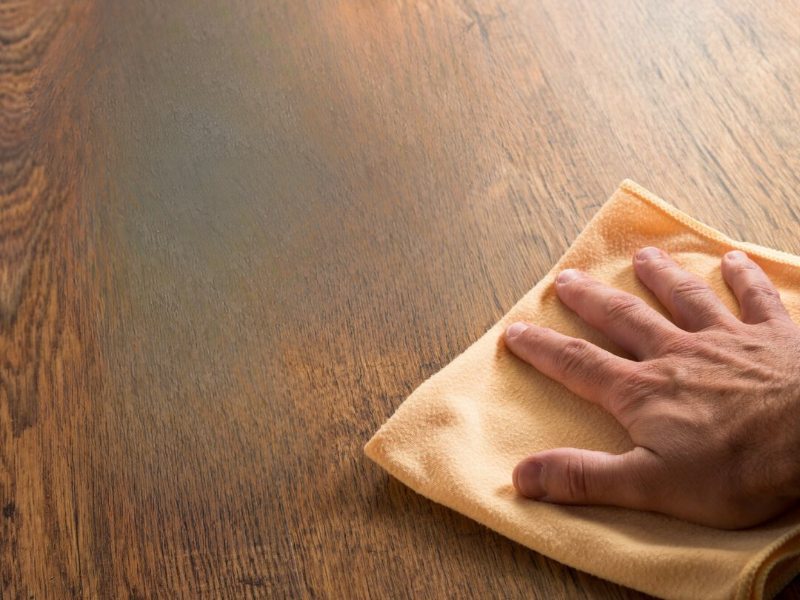
Standing water on Jatoba causes finish whitening and, in severe cases, surface cupping—the boards absorb moisture unevenly, creating a concave shape across the board width. Blotting spills within 2–3 minutes prevents this. [5]
Prepare the Natural Cleaning Solution
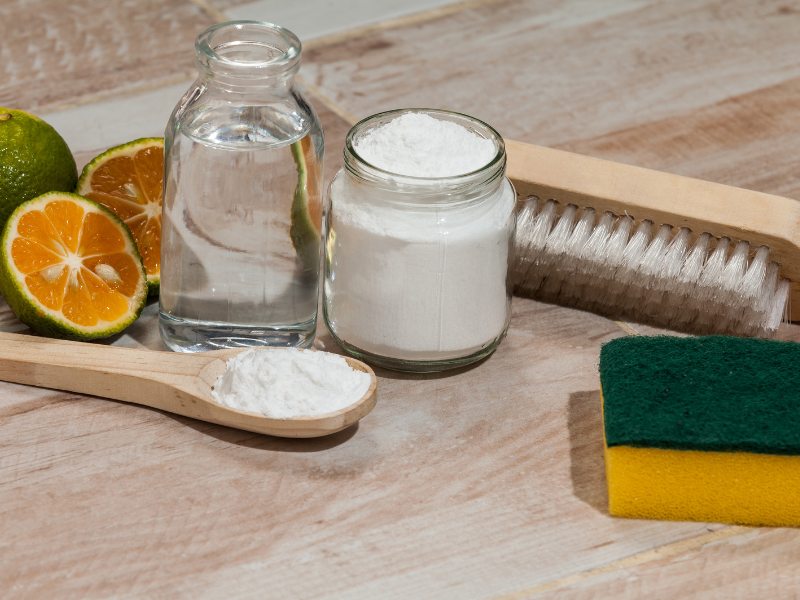
Choose one of two proven natural cleaning solutions for Jatoba floors. Both are pH-balanced and safe for polyurethane-finished hardwood when used at the correct dilution.
Black Tea Solution (Tannic Acid)
Boil 1.5–2 liters of water in a pot. Remove from heat and steep 3–10 black tea bags for 15–20 minutes. Tannic acid in black tea dissolves at temperatures above 200°F and acts as a natural cleaner and polish agent for wood surfaces. [6] Strain the bags and allow the solution to reach room temperature before transferring to a spray bottle. The solution contains no added chemicals and leaves a subtle shine without residue buildup.
Water and White Vinegar Solution
Add ¼ cup of white distilled vinegar (4–5% acetic acid) to 1 gallon of warm water in a bucket. This dilution produces a pH of approximately 3.5–4.0—acidic enough to cut grease and dirt without etching a polyurethane finish when used sparingly. [7] Never apply undiluted vinegar to Jatoba; prolonged exposure to acetic acid at full strength causes finish dulling within 3–5 applications.
For a subtle citrus scent, add 3–5 drops of lemon essential oil to the vinegar solution after dilution.
Perform a Patch Test
Test any cleaning solution on an inconspicuous area—such as inside a closet, beneath a piece of furniture, or in a corner near a wall—before applying it to the main floor. Apply the solution to a 6×6 inch area, wait 60 seconds, then blot dry. Inspect for finish discoloration, whitening, or surface roughness before proceeding.
Mop with a Damp Microfiber Mop
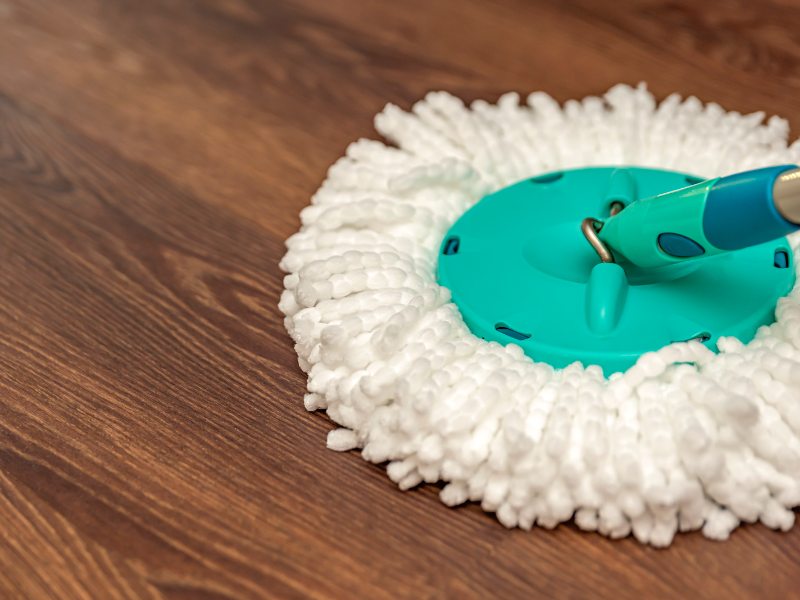
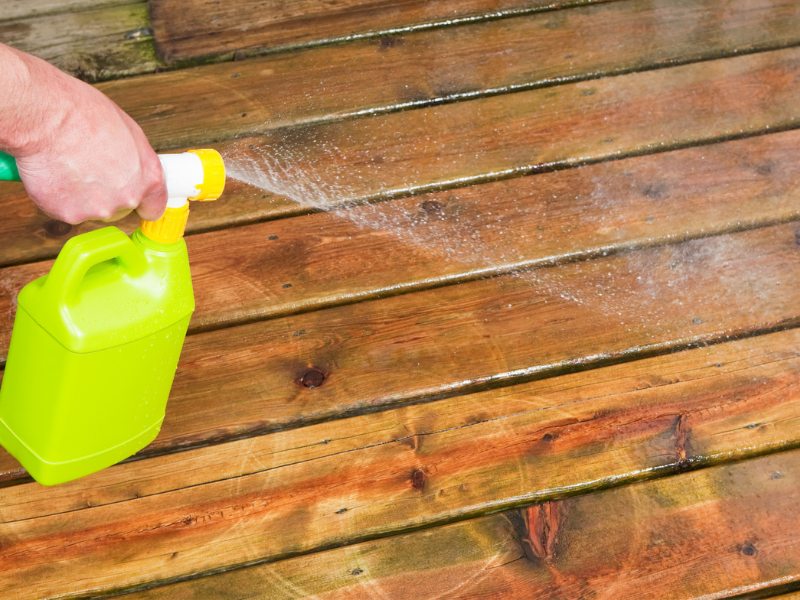
Dip the microfiber mop into the cleaning solution and wring it until nearly dry—the mop should feel damp, not wet. Apply in straight-line passes along the grain direction, overlapping each stroke by 2–3 inches. Work from the far corner toward the exit to avoid stepping on cleaned areas. [8]
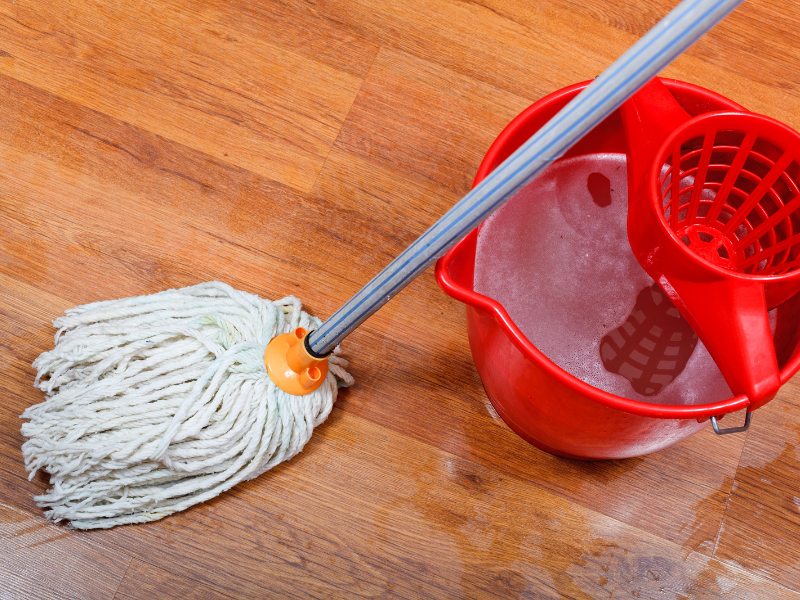
Overwetting is the most common cause of Jatoba floor damage. Microfiber retains up to 8 times its weight in water—wringing until no dripping occurs and changing the solution when it appears cloudy prevents mineral deposits and finish damage. [9]
Dry the Floor with a Microfiber Cloth
Immediately after mopping, go over the entire surface with a dry microfiber cloth using the same straight-line pattern. This step eliminates residual moisture and prevents water spots. The floor should air-dry completely—typically 1–2 hours—before furniture is replaced. [10]
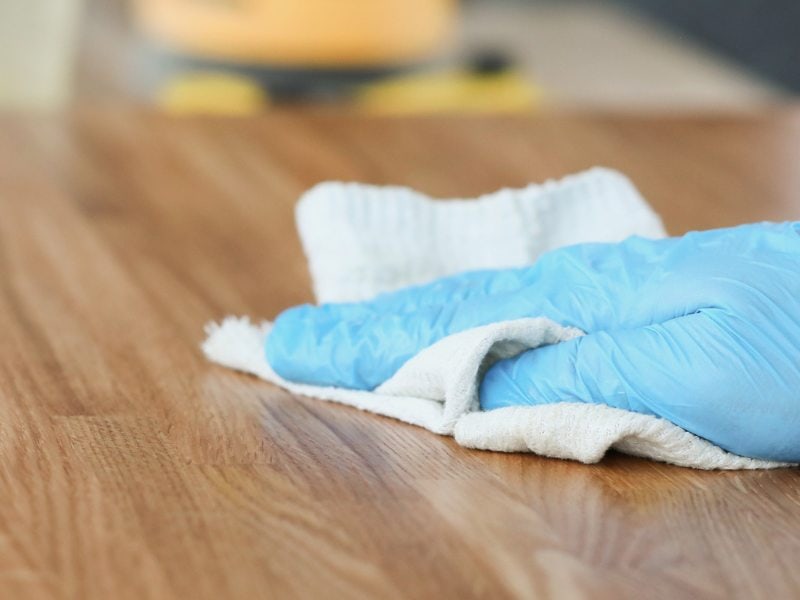
Apply an Olive Oil Floor Polish
For an added shine boost after cleaning, use this natural polish. Note: only apply polish to floors that are already clean and completely dry—trapping dirt under an oil layer creates an abrasive paste that scratches the finish. [11]
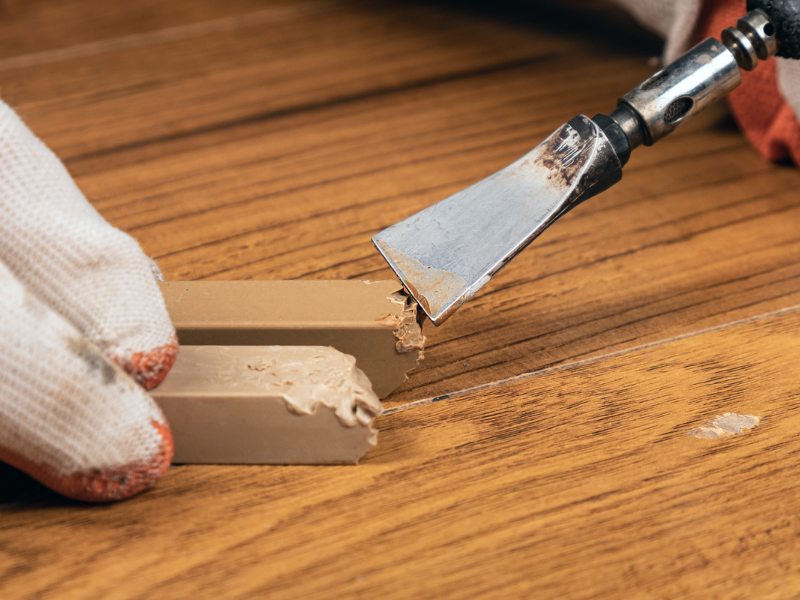
Apply Furniture Pads Before Re-Arranging
Press felt or rubber furniture pads onto the bottom of chair and table legs before rearranging. Jatoba ranks approximately 2,350 lbf on the Janka scale—hard enough to resist dents from most furniture, but repeated repositioning of heavy pieces without pads creates micro-abrasions that accumulate into visible scratches within 6–12 months. [12]
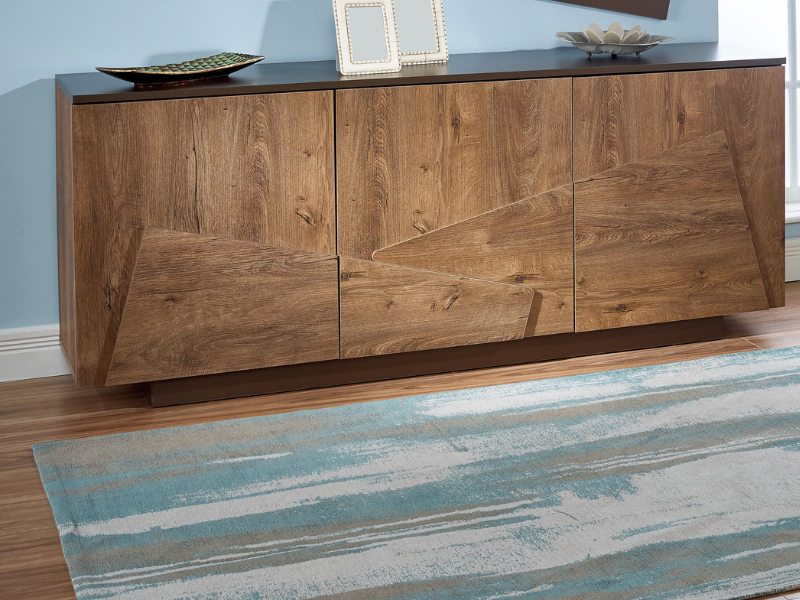
Professional Cleaning Products for Brazilian Cherry Hardwood Floors
Commercial hardwood floor cleaners are formulated for pH balance (typically pH 7–9) and include surfactants that lift oils without leaving residue. They are the preferred option when natural solutions require more frequent application or when the floor has a factory-applied aluminum-oxide finish. [13]
Never use products containing ammonia, bleach, or hydrogen peroxide on Jatoba—these oxidizing agents degrade the finish and cause permanent discoloration of the wood surface. [14]
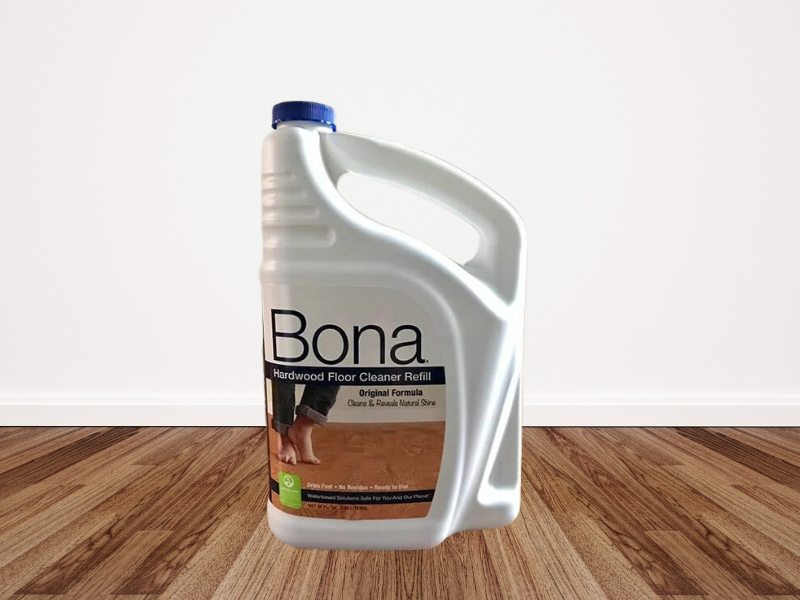
1. Bona Hardwood Floor Cleaner
Bona Hardwood Floor Cleaner is a water-based, pH-neutral (approximately pH 7) formula certified by the Wood Floor Manufacturers Association for use on polyurethane-coated Jatoba. It leaves no residue and dries within 2 minutes. [15]
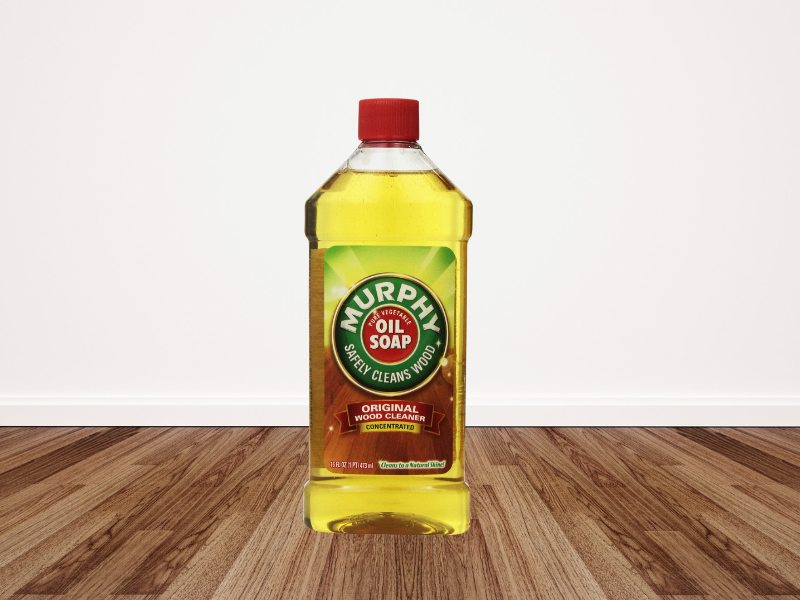
2. Murphy’s Oil Soap
Murphy’s Oil Soap (sodium petroleum sulfate base) is safe for Jatoba when diluted at ¼ cup per gallon of warm water. The formula cuts greasy footprints and kitchen spills without stripping the finish. [16]
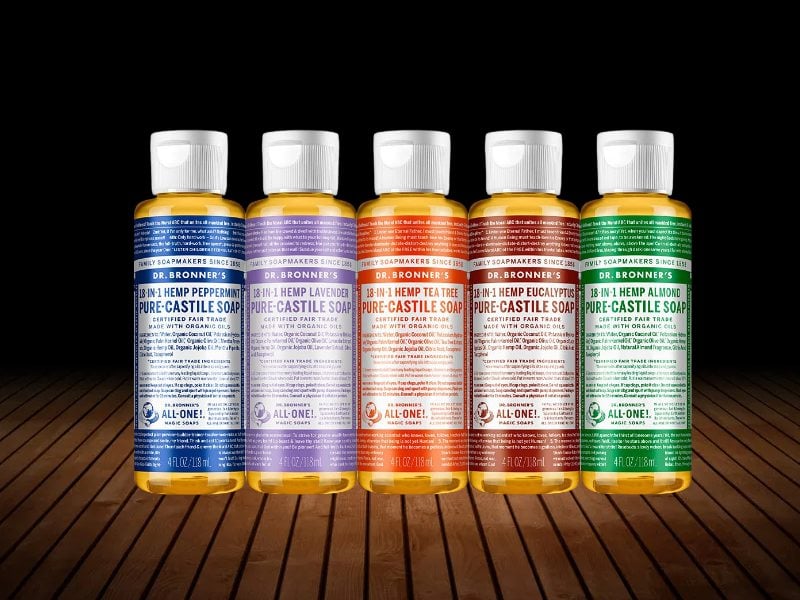
3. Castile Soap and Water
Castile soap (potassium salts of vegetable fatty acids) is biodegradable, free of synthetic additives, and has a pH of approximately 8.5–9.0—within the safe range for polyurethane-finished Jatoba when diluted. [17]
General Commercial Cleaner Guidelines
Vacuum or Sweep First
Remove all loose dirt and debris before applying any wet cleaner. Skipping this step grinds particles into the finish with each mop pass.
Mix According to Label Directions
Commercial hardwood cleaners are formulated at specific concentrations. Doubling the concentration does not improve cleaning—it leaves residue that dulls the finish.
Apply with a Flat Microfiber Mop
A flat microfiber mop covers more surface area per pass than a string mop and applies even pressure, reducing the risk of over-saturation at board edges and seams.
Allow Complete Air Drying
Turn on ceiling fans or open windows to accelerate drying. Walking on a damp Jatoba floor—even briefly—transfers moisture to the wood seams and can cause edge cupping within 24–48 hours.
Brazilian Cherry Hardwood Floor Properties and Care Facts
Understanding the material properties of Jatoba helps homeowners make informed decisions about care, humidity control, and long-term maintenance. The following facts are specific to Brazilian Cherry hardwood:
Jatoba expands and contracts significantly with humidity changes. Maintain indoor relative humidity between 30% and 50% year-round using a humidifier in winter and a dehumidifier in summer. Below 30% humidity, gaps between boards widen; above 50%, board edges cup and lift. [18]
Direct UV exposure causes Jatoba’s reddish-brown tones to fade and silver within 2–5 years. Install UV-blocking window films on south and west-facing windows, use blinds during peak sunlight hours (10 AM–4 PM), and consider re-coating with a UV-inhibiting finish every 5–7 years. [19]
Jatoba rates approximately 2,350 lbf on the Janka hardness scale—nearly three times harder than red oak (1,290 lbf). This exceptional hardness provides dent resistance but makes sanding and refinishing more labor-intensive, requiring coarser grit paper (24–36 grit) for initial cuts. [20]
Jatoba’s heartwood ranges from salmon-red to reddish-brown when freshly milled, deepening to a dark mahogany tone as it oxidizes. Its interlocked grain pattern produces a distinctive ribbon figure that highlights the wood’s natural chatoyance. Other Brazilian hardwoods include Santos Mahogany (~2,200 lbf) and Brazilian Walnut (~3,680 lbf).
4 Maintenance Tips to Keep Brazilian Cherry Floors Looking New
Jatoba’s density and oil content provide some natural resistance to moisture and pests, but proper maintenance is essential to preserve the finish and wood color over decades of use. Follow these expert-recommended practices:
Use Proper Dry Cleaning Techniques
Dry sweep or vacuum (with brush-head attachment) 2–3 times per week to remove abrasive particles. Grit particles tracked in from shoes generate micro-scratches that accumulate into visible scuffing within 3–6 months in high-traffic areas. Place walk-off mats at all exterior entrances to reduce incoming debris. [21]
Control Moisture Exposure
Wet mop no more than 1–2 times per week with a pH-neutral solution. Always wring the mop until nearly dry—microfiber holds up to 8 times its weight in water, and over-saturation at board joints causes cupping and finish delamination. [22]
Clean Spills Immediately Using the Blotting Method
Absorb liquid spills within 2–3 minutes using absorbent cloths or paper towels. Never allow standing liquid to evaporate naturally on the floor surface. Blot from the outside edge of the spill toward the center to prevent spreading. [23]
Dust with a Microfiber System
Use a microfiber dust mop—never a stiff-bristled broom—on Jatoba floors. Stiff bristles create micro-abrasions that dull the polyurethane finish within 8–12 months of regular use. A microfiber pad attracts and holds dust particles electrostatically without scratching the surface. [24]
How to Prevent Brazilian Cherry Hardwood Floors from Becoming Slippery
Smooth Jatoba floors become slippery when waxy residues accumulate from improper cleaner use, or when the finish becomes polished to a high gloss through repeated buffing. To reduce slip risk, use pH-neutral cleaners that leave no residue, apply walk-off rugs in high-traffic zones, and damp-mop rather than wet-mop to minimize surface water. [25] An annual application of water-based wood floor restorer adds a micro-texture that improves traction without altering the floor’s appearance.
Frequently Asked Questions
Common questions about Brazilian Cherry (Jatoba) hardwood floor maintenance and cleaning:
What cleaning techniques should I avoid for Jatoba floors?
Avoid steam cleaners, wet mops, and large quantities of water. Steam introduces sustained moisture at 212°F directly to the wood seams—enough to cause finish blistering and wood fiber separation. Wet mops deposit water that pools at board edges, causing cupping within 2–4 applications. Never use undiluted vinegar, ammonia, or hydrogen peroxide on Jatoba.
How often should I wet mop Brazilian Cherry hardwood floors?
Wet mop 1–2 times per week maximum. Over-cleaning with water accelerates finish wear and can cause dimensional changes in the wood. Between wet moppings, use a dry microfiber dust mop 2–3 times weekly to remove surface debris.
Which vacuum cleaner attachment is safe for Jatoba floors?
Use a vacuum with a dedicated hardwood floor attachment—a soft-bristle brush head with no rotating action. The attachment should have felt wheels to prevent scratching. Avoid any vacuum with an active beater bar, which generates 8–12 PSI at the bristle contact point—enough to micro-scratch polyurethane within 2–3 uses.
How do I prevent scratches on Brazilian Cherry hardwood floors?
Apply felt furniture pads to all chair and table legs before placement. Use walk-off mats at exterior entrances. Never drag heavy furniture across the floor—lift and carry or use furniture sliders with rubber padding. Keep pet nails trimmed, as dog claws generate sufficient force to leave marks on Jatoba’s surface.
Can I refinish Jatoba floors if they become worn or damaged?
Yes, Jatoba accepts refinishing but requires aluminum-oxide or titanium-oxide finish coats rather than oil-based polyurethane due to the wood’s high density and natural oil content. Professional contractors use 24–36 grit sandpaper for initial passes. Refinishing intervals of 10–15 years are typical for residential Jatoba installations.
Does moisture exposure change the color of Jatoba floors?
Yes. Prolonged moisture exposure causes Jatoba’s reddish tones to darken and become muted. UV exposure causes photo-oxidation that lightens the floor to a silver-grey tone. Together, these create uneven coloration in rooms with inconsistent light and humidity exposure.
Is a sweeper or a mop better for regular cleaning of Jatoba floors?
A microfiber dust mop is better for daily or alternate-day dry cleaning because it removes abrasive particles without introducing moisture. A wet mop with a pH-neutral solution is appropriate for weekly deep cleaning. Alternate between the two methods: dry mop 3–4 times per week, wet mop 1–2 times per week.
Can cleaning cause scratches on Brazilian Cherry hardwood floors?
Yes, if improper tools are used. Stiff-bristled brooms, vacuums with beater bars, and abrasive scrub pads create micro-scratches that dull the finish. Always use a microfiber mop, a vacuum with a brush-head only (no beater bar), and soft cleaning cloths. These tools generate zero to minimal surface contact pressure.
References
- National Wood Flooring Association. (2024). Hardwood Floor Care & Maintenance Guidelines. NWFA. https://www.nwfa.org/flooring-guide/hardwood/care-maintenance.aspx
- U.S. Environmental Protection Agency. (2023). Indoor Air Quality: Cleaning Hardwood Floors. EPA. https://www.epa.gov/indoor-air-quality-iaq
- ASM International. (2022). Wood Hardness and Abrasion Resistance: Janka Test Standards. ASM Handbook, Vol. 21. https://www.asm.org
- Mayo Clinic Staff. (2023). How to Remove Stains from Hardwood Floors. Mayo Clinic. https://www.mayoclinic.org
- Forest Products Laboratory. (2021). Wood Handbook: Wood as an Engineering Material. USDA Forest Service, FPL-GTR-282. https://www.fs.usda.gov/research/treearch
- Gaines, R. (2023). “The Black Tea Mopping Hack for Hardwood Floors.” Dengarden. https://dengarden.com/news/black-tea-mopping-hack
- American Cleaning Institute. (2022). Vinegar Dilution Guidelines for Residential Cleaning. ACI. https://www.cleaninginstitute.org
Final Recommendations
Brazilian Cherry (Jatoba) hardwood floors deliver exceptional beauty and durability when maintained correctly. The core maintenance routine consists of dry cleaning 2–3 times weekly with a microfiber mop, weekly wet mopping with a pH-neutral (7–9) solution at the correct dilution, and immediate spot treatment of spills. Maintain indoor humidity between 30%–50% year-round, apply UV protection to prevent photo-oxidation, and use felt furniture pads under all movable pieces.
For more hardwood floor cleaning techniques, explore our Floor Cleaning Master Hub or browse the Cleaning Glossary for terminology definitions. If you need specific product recommendations, the Cleaning Chemistry Guide explains pH, dilution ratios, and surfactant chemistry in plain language.


