
How to Clean French Oak Floors – Get’em Sparkling

French Oak floors combine aesthetic appeal with structural durability, but improper cleaning causes irreversible surface damage including etching, warping, and finish degradation. Clean French Oak floors safely using a 1:3 white vinegar-to-water solution (pH approximately 2.5–3.0) at room temperature, applied with a wrung microfiber mop and dried immediately to prevent moisture penetration.
Unlike ceramic or porcelain tile, French Oak wood surfaces require pH-neutral to mildly acidic cleaners and humidity levels maintained between 35% and 55% to prevent dimensional changes. This guide covers the two approved techniques for cleaning French Oak floors: the vinegar-and-water method and commercial hardwood floor cleaners specifically formulated for oak.
French Oak Floor Cleaning: Safe Methods Only
Two techniques deliver safe, effective cleaning for French Oak floors:
Vinegar’s natural acidity (pH 2.5–3.0) dissolves surface grime without leaving residues. Microfiber mops capture dust and debris at the microscopic level without scratching the wood grain. Abrasive brushes and scouring pads scratch the finish and cause moisture infiltration, leading to cupping and crowning in affected boards.
French Oak floors retain their factory finish for 10–15 years with proper care, but incorrect cleaning reduces this lifespan significantly. Consistent use of pH-appropriate cleaners and humidity management preserves both the protective coating and the wood’s dimensional stability.
How to Clean French Oak Floors: Step-by-Step Process
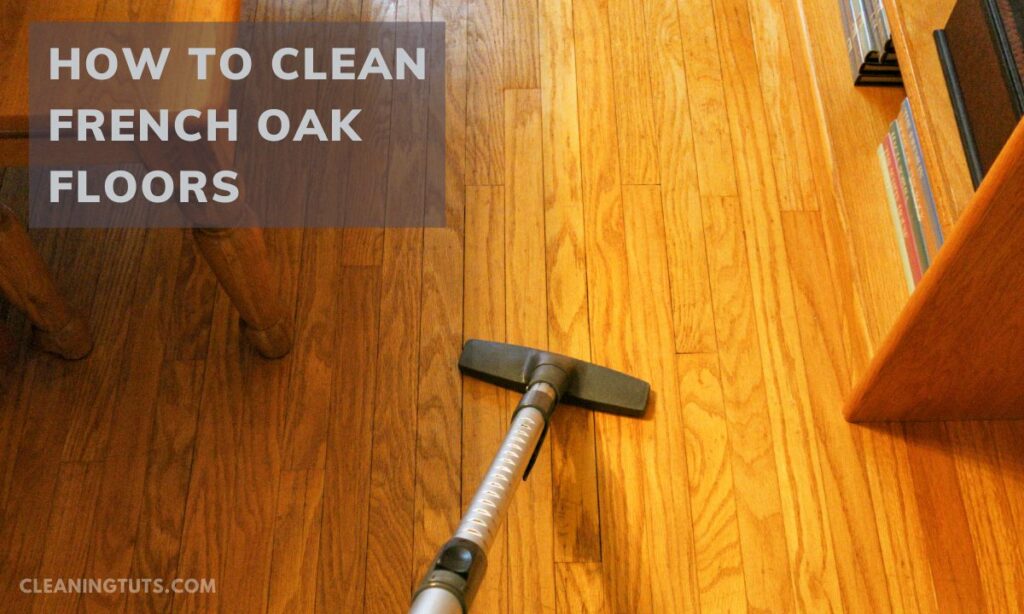
Clear the room of all furniture before beginning. Mix one part white vinegar with three parts warm water (approximately 80°F–90°F / 27°C–32°C) in a clean bucket. Dip a microfiber mop into the solution, wring thoroughly until barely damp, and clean the floor in sections working from the farthest corner toward the exit. Dry each section immediately with a separate dry microfiber cloth or mop head.
The Preparation and the Supplies
Proper preparation prevents mid-process damage to the wood surface. French Oak’s open grain structure absorbs liquids quickly, making pre-cleanup of loose debris essential before applying any wet solution.
The Preparation
The Supply List
Cleaning French Oak Floors: Step-by-Step Guide
Follow these five sequential steps for optimal results. Each step builds on the previous one—skipping steps causes incomplete cleaning or potential surface damage.
Mixing the Solution
Combine one part white vinegar (5% acidity) with three parts warm water in your bucket. The ideal water temperature ranges from 80°F to 90°F (27°C to 32°C). Cooler water reduces cleaning efficacy; water above 90°F may weaken certain floor finishes over time.
Mopping the Floor
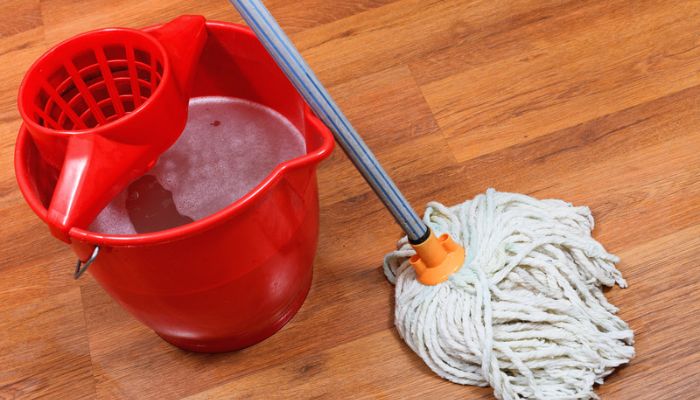
Dip the microfiber mop into the solution and wring until barely damp—approximately 75% dryness. Excess water causes cupping, a dimensional change where board edges rise above the center. Clean in 4×4 foot sections, working from the farthest corner toward the room exit.
Dry the Floor
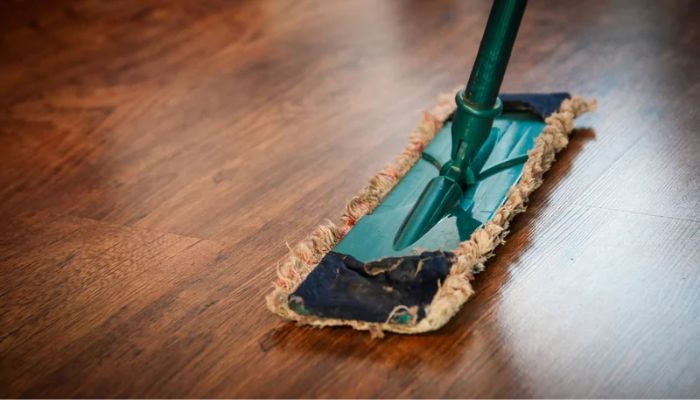
Within 30 seconds of mopping each section, dry it completely using a separate dry microfiber mop or absorbent cloth. Water left on French Oak for more than 1–2 minutes begins penetrating joints and seams, leading to swelling and finish delamination over time.
Buff to a Shine
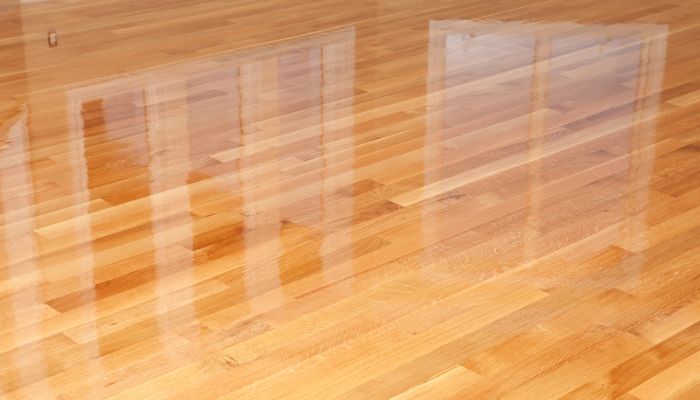
Using a floor buffer with a microfiber pad at 175–300 RPM distributes the remaining moisture evenly and restores gloss to the finish. Work in overlapping circular passes across each dried section until the entire floor displays uniform luster.
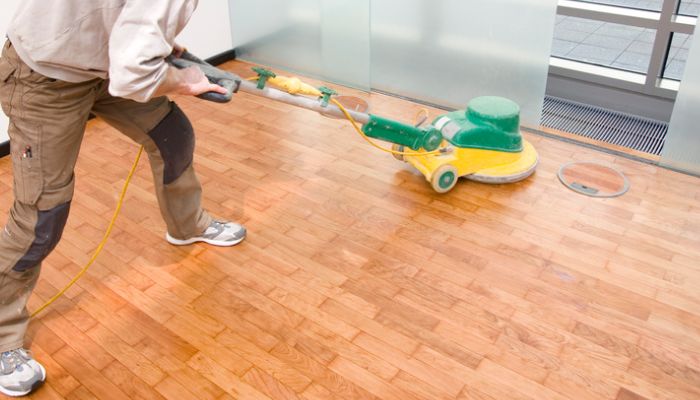
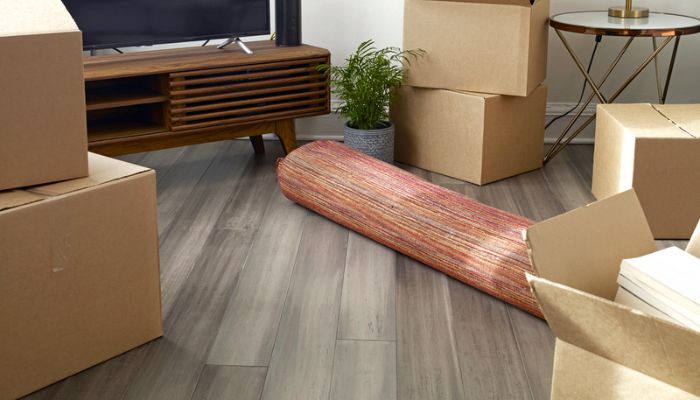
Move Back the Furniture
Wait at least 2 hours after the final buff before returning furniture. Attach felt floor protectors to all chair and table legs—these reduce point-load pressure by distributing weight across a larger surface area, preventing indentations in the finish.
The commercial floor cleaner method follows identical steps—substitute the vinegar solution with a pH-neutral commercial cleaner specifically tested for French Oak finishes.
French Oak Floor Maintenance Tips
These five practices preserve French Oak floor appearance and structural integrity between deep cleanings:
Clean Regularly
Dry-mop or vacuum high-traffic zones daily to remove abrasive particles before they embed in the finish. Damp-mop with the vinegar solution weekly in residential kitchens and entryways, and monthly in lower-traffic rooms like bedrooms. Sand and grit tracked in from footwear act as 6–8 Mohs hardness abrasives that scratch most floor finishes.
Avoid Harsh Chemicals
Ammonia (pH 11–12) and chlorine bleach (pH 11–13) both cause finish degradation and wood fiber breakdown on French Oak surfaces. Steam cleaners expose wood to sustained moisture above 200°F (93°C), which raises grain and creates joint gaps over repeated use. Use only pH-neutral or mildly acidic (pH 4–7) cleaners labeled safe for hardwood.
Scratch Protection
High-heel shoes concentrate 1,500–3,000 psi of pressure per square inch at the heel strike point—sufficient to dent or fracture even hardened polyurethane finishes. Place walk-off mats at all exterior entrances to trap grit before it reaches the floor. Rotate rugs quarterly to prevent uneven UV aging of the exposed finish.
Humidity Management
French Oak flooring requires sustained relative humidity between 35% and 55% to prevent dimensional movement. Below 35% RH causes gapping between boards; above 55% RH produces cupping, swelling, and finish whitening. Use a hygrometer to monitor indoor conditions year-round, and deploy humidifiers in winter heating months when indoor RH commonly drops to 15–25%.
Refinish When Needed
Factory-finished French Oak floors typically withstand 10–15 years before requiring refinishing. Signs that refinishing is necessary include: finish wear-through in traffic lanes (exposing raw wood), persistent scratching across the entire surface despite protective measures, and discoloration patches that do not respond to deep cleaning. The refinishing process involves screening the existing finish with 120–150 grit abrasive, then applying two to three new topcoat layers.
Is Wax Required for French Oak Floors?
French Oak floors do not require wax. Manufacturers apply UV-cured polyurethane or aluminum oxide finishes at the factory, which create a harder and more chemically resistant surface than any wax compound. Wax coatings trap moisture against the wood and attract dust accumulation, creating a dulling effect that requires aggressive chemical strippers for removal.
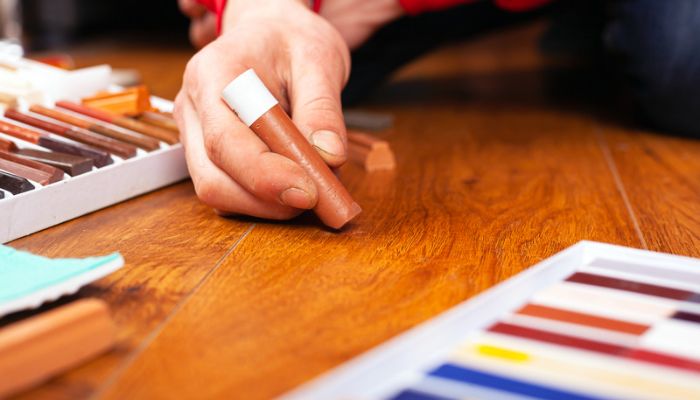
Regular damp-mopping with the vinegar solution and prompt spill cleanup preserve the factory finish far more effectively than any topical wax application. Skip the wax and invest in a quality doormat system and humidity control instead.
What Cleaning Products Are Safe for French Oak Floors?
To clean French Oak floors without damaging the finish, use only pH-neutral to mildly acidic cleaners specifically formulated for hardwood surfaces. The 1:3 vinegar-to-water dilution delivers effective cleaning with a pH of approximately 2.5–3.0, which is safe for sealed polyurethane finishes but dissolves grime effectively.
For commercial products, select those meeting EPA standards for hardwood floor safety and look for pH readings between 6.0 and 8.0 on the product label. Avoid using all-purpose cleaners designed for cleaning ceramic or porcelain tile surfaces—these contain abrasives and alkaline agents that damage wood finishes. Never use products intended for other surfaces like Brazilian Cherry hardwood or bamboo flooring, as each species and finish combination has specific chemical compatibility requirements.
• Vinegar solution (1:3 dilution) — pH 2.5–3.0, safe for sealed polyurethane
• pH-neutral hardwood cleaners — pH 6.0–8.0
• Avoid: ammonia, bleach, steam, citrus oils, abrasive pads
• Test any new product in an inconspicuous area first
Conclusion
French Oak floors retain their beauty and durability for decades when cleaned with pH-appropriate methods and maintained within the 35%–55% relative humidity range. The 1:3 white vinegar-to-water solution (pH 2.5–3.0) at 80°F–90°F (27°C–32°C) provides safe, effective cleaning without chemical residue or finish damage.
Key practices: clean with a barely-damp microfiber mop, dry each section within 30 seconds, maintain humidity between 35% and 55%, and skip wax in favor of the factory finish. For related guidance, see the Cleaning Glossary or the Hardwood Floor Cleaning Hub.
References
- National Wood Flooring Association. (2023). NWFA Installation Guidelines: Hardwood Floor Maintenance. nwfa.org
- U.S. Environmental Protection Agency. (2022). Safer Choice Program – Cleaning Products for Wood Floors. epa.gov
- ASTM International. (2021). ASTM F3009-21: Standard Test Method for Determination of Formulated Cleaning Solutions for Evaluation of Floor Finish Durability. astm.org


