
How to Recycle Vacuum Cleaner (8 Easy Ideas)

Vacuum cleaners contain up to 5 pounds of plastic, copper wiring, and reusable metal components that divert from landfills when recycled properly. The EPA requires removal of lithium-ion batteries before recycling small appliances, as these pose fire risks in waste facilities. Recycling centers recover vacuum cleaner parts to manufacture new plastic containers, and scrap yards pay cash for metal components.
How to Recycle a Vacuum Cleaner: 8 Methods
Your vacuum cleaner has served you well, and now it’s time to let it go. The best way to recycle your vacuum cleaner depends on its condition and whether you want to recover value from salvageable parts or simply dispose of it responsibly. These eight vacuum recycling options cover every scenario.
1. Take Them to Recycling Centers
Even though your vacuum cleaner is broken, its individual parts retain significant value. Recycling centers use vacuum parts to manufacture plastic containers and recover metals for industrial reuse. The typical vacuum cleaner contains approximately 60% plastic by weight and 15% metal components.
Call ahead before visiting. I learned this after driving 15 miles to find a center that doesn’t accept vacuums. The onsite staff will direct you to the correct bin if you arrive without prior research.
Moral lesson: Always call first.
2. Scrap Yards
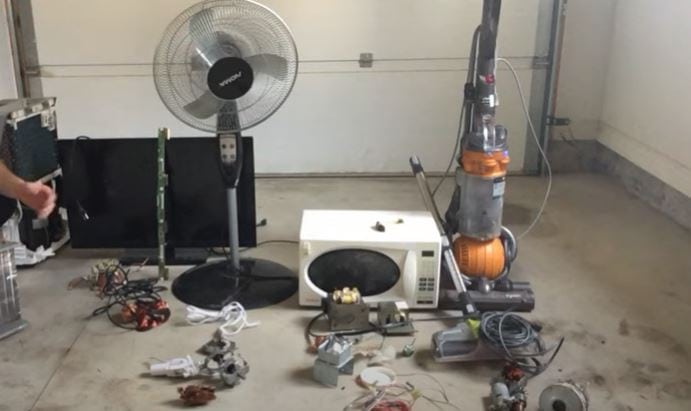
Scrap yards pay cash for metal components in your vacuum cleaner. Copper motors and steel parts command the highest prices. However, scrap yards typically only purchase the metal portions, so you must find separate disposal methods for the plastic housing, cords, and bags.
Disassembling a vacuum cleaner is straightforward: unplug it, remove the dust bag or canister, detach the hose and attachments, and locate the motor housing secured by screws. The entire process takes 10-15 minutes with basic tools.
Find scrap yards near heavy industry areas in urban and suburban locations. Yelp and Google Maps list scrap metal dealers with current contact information.
3. Sell Vacuum Parts
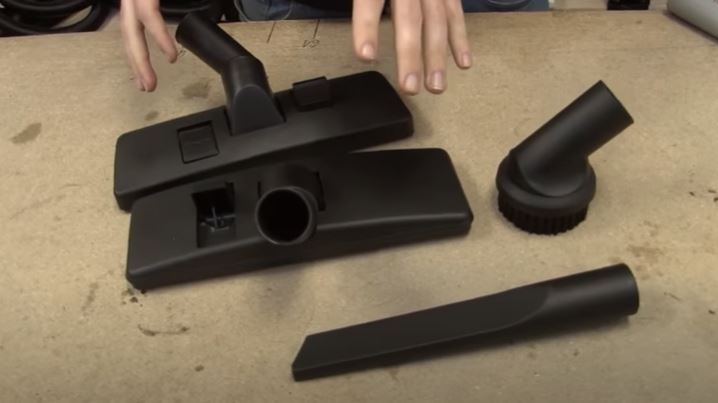
Independent vacuum parts like brushes, nozzles, filters, and belts sell well on secondary markets. Someone out there needs a replacement hose pipe for the exact model you own.
Parts for discontinued vacuum models command premium prices because supply is limited. An old Kirby or Rainbow vacuum part sells for 3-5 times the equivalent generic part price.
4. Electronic Stores
Major electronics retailers operate robust e-waste recycling programs as part of their corporate social responsibility initiatives. Best Buy, Home Depot, and Staples offer trade-in credit or discount programs for returning old appliances. Some stores provide gift cards worth up to $30 for functional vacuum cleaners, depending on brand and condition.
These retailers partner with certified e-waste recyclers who dismantle vacuums in compliance with EPA sustainable electronics management guidelines.
5. Donate Your Vacuum Cleaner
If your vacuum cleaner functions, donating it extends its useful life and keeps materials out of landfills. Salvation Army, Goodwill, and Habitat for Humanity ReStore offer free home pickup services in most ZIP codes. These organizations resell donated vacuums to fund job training and community programs.
Search “Donation Town” to find branches nationwide that will pick up your vacuum cleaner at no cost. Donation centers provide tax-deductible receipts for claimed values up to fair market value.
Additional donation options include addiction treatment shelters, homeless shelters, and religious organizations that assist families in need. Some communities have “Little Free Libraries” style交换 exchanges for household items.
Bissell recursive donates cleaned vacuums to families in need through its Bissell Pet Foundation donations program. You pay a $15 shipping fee to send your vacuum to their processing center; they handle sorting, cleaning, and redistribution.
6. Advertise Your Vacuum Cleaner Online
Online marketplaces reach the widest pool of potential buyers or recipients. Photograph your vacuum at multiple angles with all attachments visible. Include the model number, condition rating, and whether original packaging is available.
These platforms work for both sales and free giveaways:
- Craigslist — Local pickup, no fees
- eBay — Reach buyers nationwide, 15% final value fee
- Facebook Marketplace — Free listing, local pickup
- Freecycle — Free giveaway, zero fees
- CANITCASH — Buys Dyson vacuums specifically
7. Hold a Garage or Yard Sale
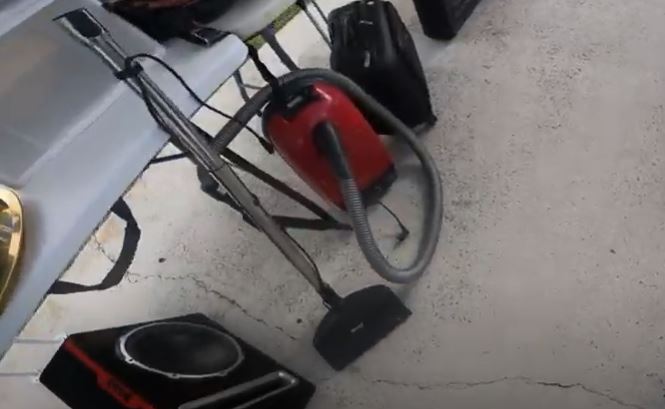
A yard sale clears multiple unwanted items simultaneously. Organize one with neighbors to increase foot traffic and share advertising costs. Advertise the sale on community Facebook groups and local classifieds 48 hours in advance.
Price vacuums competitively: functional models sell for $15-40, while broken units priced for parts move for $5-10. Include all attachments to justify your asking price.
8. Hunt for Swapping Events
Community swap events function as modern barter systems. Libraries, community centers, and schools host these events quarterly. Follow local government and neighborhood association social media accounts to find announced swap dates.
Organize a swap with friends using a shared Google Doc listing available items. Each participant matches with trading partners before the event, ensuring no one leaves empty-handed.
What If Your Vacuum Cleaner Is Beyond Saving?
Non-functional vacuums with no parts value require proper disposal. Contact your municipal waste authority for bulk item pickup scheduling. Some jurisdictions include vacuum cleaners in standard curbside large-item collection.
Remove the vacuum bags from bagged models and seal them in plastic bags before placing in household garbage. Used vacuum bags are not recyclable due to contaminated dust content. Seal the bag, then double-bag to prevent leakage.
Remove rechargeable batteries before disposal. Lithium-ion and nickel-cadmium batteries contain hazardous materials and cause fire incidents in waste facilities. Locate the battery pack, disconnect the terminals, and take batteries to a certified battery recycling center or Home Depot/Lowe’s drop-off bins.
Vacuum Cleaner Disposal Quick Reference
| Disposal Method | Condition Required | Value Recovered |
|---|---|---|
| Recycling Center | Any condition | $0 |
| Scrap Yard | Metal salvageable | $3-15 cash |
| Online Sale | Functional | $15-100 |
| Electronic Store Trade-In | Functional | $10-30 credit |
| Donation | Functional | Tax deduction |
| Garage Sale | Any condition | $5-40 |
Final Thoughts
Americans dispose of approximately 4.7 million vacuum cleaners annually, with less than 20% recycled through proper channels. Recycling your vacuum conserves resources: a single vacuum contains approximately 5 pounds of plastic and copper worth recovering. Even if your vacuum is beyond saving, removing the battery and disposing of it correctly prevents environmental contamination and fire hazards.
The environment benefits when we divert materials from landfills. Every vacuum cleaner recycled recovers usable components that reduce demand for virgin plastic and metal extraction. The small effort of proper disposal creates measurable environmental returns.
Happy recycling!
References
- U.S. Environmental Protection Agency. (n.d.). Electronics Donation and Recycling. epa.gov/recycle/electronics-donation-and-recycling
- U.S. Environmental Protection Agency. (n.d.). Sustainable Electronics Management. epa.gov/smm-electronics
- Bissell. (n.d.). Vacuum Recycle Program. bissell.com/our-impact/recycle.html


