
4 Easy Steps to Clean Matte Porcelain Tiles?

Matte porcelain tiles require a 4-step cleaning process using pH-neutral cleaners diluted at half strength with water at 120–140°F (49–60°C). Clean weekly by mopping and deep-clean monthly to prevent grime buildup that causes permanent discoloration.
Quick Reference: Clean matte porcelain tiles using a 4-step process—prepare, apply, agitate, rinse—using pH-neutral solutions at 120–140°F (49–60°C).
How to Clean Matte Porcelain Tiles: A Step-by-Step Process
Matte porcelain tiles demand a precise cleaning process due to their unglazed, porous surface that absorbs up to 0.5% water. Unlike glazed tiles, matte finishes lack a protective coating, making them vulnerable to acidic cleaners and grime penetration. A systematic 4-step approach prevents permanent etching and discoloration.
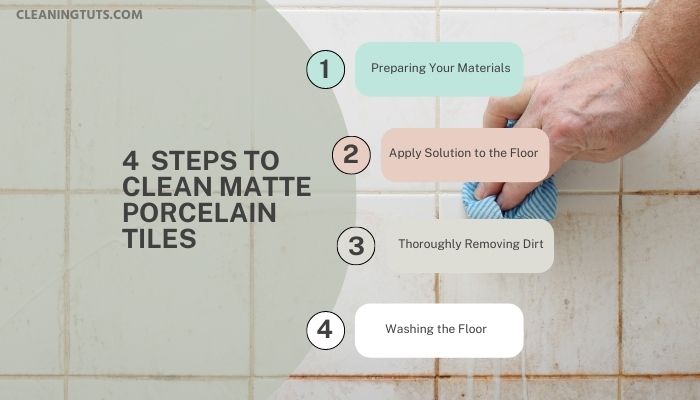
Preparing Your Materials
Collect a soft-bristle brush or microfiber mop, a bucket, and a pH-neutral cleaner with a pH range of 6–8. For a DIY solution, mix 1/4 cup white vinegar with 2 gallons of water (vinegar has a pH of approximately 2.5–3.0, diluting it raises the effective cleaning pH to a safe range). Heat water to 120–140°F (49–60°C) to improve cleaning efficiency without damaging the tile.
Applying the Cleaning Solution
Work in sections of 2–4 square feet to prevent the solution from drying before removal. Apply the cleaning solution evenly using a microfiber mop, paying special attention to corners and grout lines where soil accumulates. Allow the solution to dwell for 5–10 minutes to penetrate and soften stubborn deposits without causing etching.
Scrubbing and Soil Removal
Agitate using a soft-bristle brush using circular motions at 300–500 RPM on a low-speed buffer, or hand-scrub with a microfiber cloth. Rinse the cloth or brush frequently in a separate bucket of clean water to prevent redistributing soil. Work from the farthest corner toward the exit to avoid tracking cleaned areas.
Rinsing and Drying
Rinse thoroughly with clean water at the same temperature range (120–140°F / 49–60°C) to remove all detergent residue. Immediately dry using a clean microfiber cloth or a wet vacuum to prevent water spotting and mineral deposit formation. Matte porcelain tiles require complete drying before foot traffic resumes.
Matte Porcelain Tile Care: Maintenance Schedule
Regular maintenance extends tile life and preserves the finish. A consistent schedule prevents the accumulation of debris that leads to scratching and permanent staining.
| Task | Frequency | Method |
|---|---|---|
| Sweep or dust mop | 2–3 times per week | Microfiber mop, dry |
| Damp mop | Weekly | pH-neutral cleaner, 120–140°F water |
| Deep clean | Monthly | Vinegar solution (1/4 cup per 2 gallons), 5–10 minute dwell |
| Grout inspection | Quarterly | Visual + tactile check |
| Sealer reapplication | Every 1–3 years | Water drop test guidance (see below) |
Polishing Matte Porcelain Tiles
Over time, matte porcelain tiles lose their luster from foot traffic and surface abrasion. Periodic polishing restores the original finish without altering the non-glossy appearance.
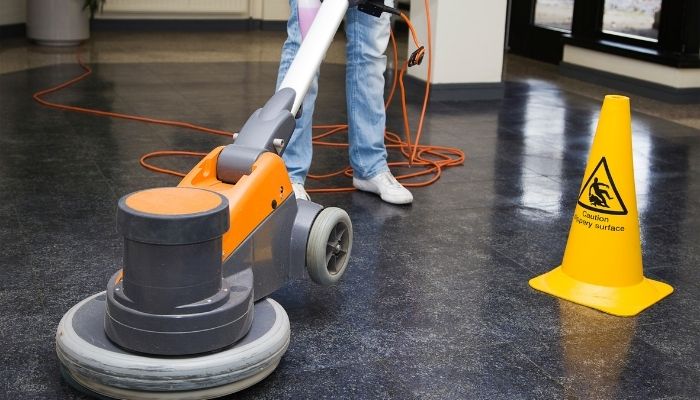
Sweep the surface to remove loose debris, then dampen with a solution of 1 teaspoon dishwashing liquid per gallon of warm water. scrub in circular motions using a soft cloth, then rinse with clean water. After drying completely (minimum 2 hours cure time), apply a polymer-based wax sealant at room temperature (65–75°F / 18–24°C) and buff with a fresh microfiber cloth for an even, low-sheen finish.
Avoid ammonia, bleach, or acid-based cleaners—these cause permanent color alteration in matte porcelain tiles. Always test cleaning products on an inconspicuous area first.
Removing Stains from Matte Porcelain
Porcelain’s low water absorption (less than 0.5%) makes it resistant to most stains, but oil-based and organic matter require targeted treatment.
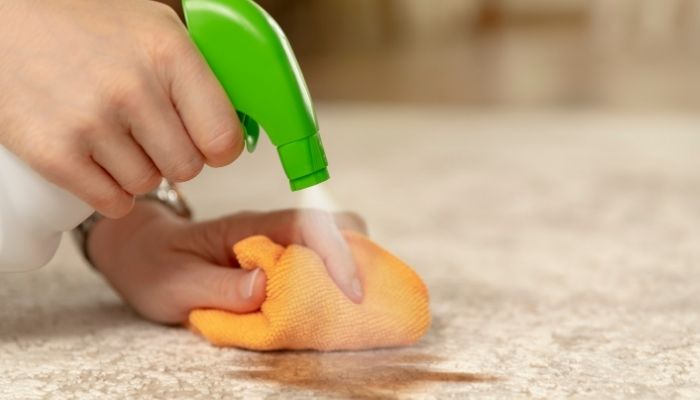
Apply a baking soda paste (3 parts baking soda to 1 part warm water) directly to the stain. Let it sit for 5–10 minutes, then scrub gently with a soft-bristle brush. For oil-based stains, a pH-neutral degreaser applied at full strength and agitated for 2–3 minutes dissolves the contaminant before wiping clean.
Commercial melamine foam pads (magic erasers) work effectively on most surface stains by mechanical abrasion without chemicals. Rinse the area thoroughly after stain removal to prevent residue buildup.
Matte Porcelain Tile Sealing Requirements
Most matte porcelain tiles sold today come pre-sealed during manufacturing. You can verify whether sealing is needed using the water drop test: place a few drops of water on the tile surface. If the water stays beaded on top after 30 seconds, the seal is intact. If the water spreads and darkens the tile within 30 seconds, sealing is required.
For through-body porcelain (where the color runs all the way through the tile), sealing provides an extra barrier but is not structurally required. For double-charge or double-loaded tiles, sealing the top 2–3mm layer protects the design layer from abrasion.
Seal grout lines separately using an epoxy-based grout sealer applied with a small foam brush. Allow 24–48 hours cure time before wet cleaning. Reapply sealer every 1–3 years depending on foot traffic and cleaning frequency. Proper sealing contributes to clean tile grout benefits, including easier maintenance and reduced bacterial harboring in grout lines.
Matte Porcelain Tile Slip Resistance
Matte porcelain tiles typically have a DCOF (Dynamic Coefficient of Friction) of 0.42–0.60, which provides significantly better slip resistance than polished or glazed alternatives. Tiles with a DCOF above 0.42 meet ADA requirements for level interior floors and are suitable for residential bathrooms and kitchens. For commercial applications, a DCOF of 0.60 or higher is recommended for wet areas.
Frequently Asked Questions
Is matte porcelain tile waterproof?
Matte porcelain tiles by themselves are not waterproof. Through-body porcelain has water absorption of less than 0.5%, but applying a penetrating sealer creates a waterproof barrier. Test with water drops: if absorption occurs within 30 seconds, sealing is required.
Can I use a steam cleaner on matte porcelain tiles?
Steam cleaners are safe for matte porcelain tiles at temperatures of 200–220°F (93–104°C) and effectively eliminate bacteria and mold from grout lines. Hold the steam nozzle 2–3 inches from the surface and keep the steamer moving to prevent localized overheating.
Can vinegar damage matte porcelain tiles?
Diluted vinegar (1/4 cup per 2 gallons water) is safe for matte porcelain tiles. Undiluted vinegar’s pH of 2.5 causes etching on unglazed surfaces with prolonged exposure exceeding 5 minutes. Always dilute before applying.
How often should I clean matte porcelain tiles?
Sweep or dust mop 2–3 times weekly. Damp mop with pH-neutral cleaner weekly. Perform deep cleaning monthly using a vinegar solution (1/4 cup per 2 gallons water) with a 5–10 minute dwell time. Reapply sealer every 1–3 years based on wear.
Are matte porcelain tiles slippery?
Matte porcelain tiles have a DCOF of 0.42–0.60, providing significantly better slip resistance than polished tiles. Tiles with DCOF above 0.42 meet ADA standards for residential use. For wet areas like bathrooms, a DCOF above 0.60 provides optimal safety.
Conclusion
Matte porcelain tiles require consistent maintenance using pH-neutral cleaners, proper dilution ratios (1/4 cup vinegar per 2 gallons water), and water temperatures of 120–140°F (49–60°C). A weekly mopping schedule combined with monthly deep cleaning prevents the grime accumulation that causes permanent discoloration. Sealing every 1–3 years using the water drop test as a guide preserves both appearance and longevity.
For comprehensive guides on related cleaning tasks, explore the Tile & Grout Hub, the Floor Cleaning Master Hub, or browse terms in the Cleaning Glossary.
References
- Bob Vila. (2023). How to Clean Porcelain Tile. Bob Vila Media.
- Natural Stone Institute. (2024). Stone and Tile Care Resources. Natural Stone Institute.
- TCNA (Tile Council of North America). (2023). Porcelain Tile Maintenance Guidelines. TCNA.


