
How to Measure Suction Power of Vacuum

Suction power determines how effectively a vacuum cleaner removes debris from carpets and hard floors. This guide covers five standardized methods for measuring vacuum suction power using measurable units: sealed suction height, pascals, watts, amps, and airflow CFM.
Vacuum manufacturers express suction power in multiple ways, and understanding each unit helps you compare models accurately. Residential vacuum cleaners typically produce 5–20 kPa of suction pressure, 80–200 inches of water lift, 200–500 air watts, and 50–150 CFM of airflow.
What Is Suction Power?
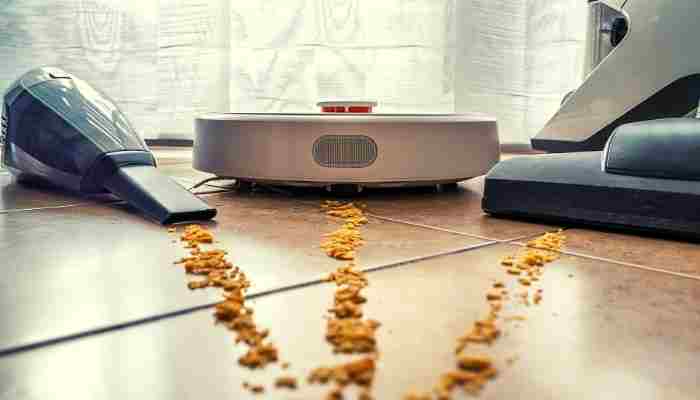
A vacuum works by creating a pressure differential between its interior and the surrounding environment. The motor generates negative pressure inside the canister, and atmospheric pressure outside pushes air—and debris—into the vacuum. Suction power measures this pressure differential. Higher suction power translates directly to better dirt pickup from carpets, rugs, and hard flooring surfaces.
Five Methods for Measuring Vacuum Suction Power
Five standardized measurements define vacuum suction performance. Each unit measures a different aspect of suction, and reputable manufacturers publish all of these values.
1. Sealed Suction (Inches of Water Lift)
This at-home test measures the maximum height a vacuum can lift a column of water in a sealed tube. Attach a tube to a sealed container of water, connect the vacuum, and measure how high the water rises.
A vacuum cleaner with strong suction power lifts water 90 inches (228.6 cm) or higher in this test. Entry-level models typically register 60–80 inches, while commercial-grade units exceed 120 inches.
2. Pascals (kPa)
Since suction power creates pressure, it is measurable in pascals (Pa) or kilopascals (kPa). One pascal equals one newton of force per square meter. The standard for residential vacuum cleaners ranges from 5–20 kPa. Industrial and commercial vacuums produce 25 kPa and above.
At 20 kPa, a vacuum generates approximately 2,000 kilograms of force per square meter—sufficient pressure to extract deeply embedded dirt from carpet fibers.
3. Air Watts
Air watts bridge the gap between suction pressure and airflow volume, providing the most practical measurement of real-world cleaning performance. The formula is:
Air Watts = (Suction in inches of water lift × Airflow in CFM) ÷ 8.5
Most residential vacuum cleaners produce 100–250 air watts. Budget models fall below 100 air watts, while premium models (such as the Dyson V15 Detect) exceed 240 air watts. A vacuum with a 1,600-watt motor typically delivers approximately 370 air watts—the remainder powers the fan, electronics, and brushroll.
4. Amps
Amperage measures the electrical current drawn by the vacuum motor. Residential vacuum cleaners draw between 4 and 12 amps. The United States standard household circuit is 120V, so a 12-amp vacuum draws a maximum of 1,440 watts. To convert amps to watts:
Watts = Volts × Amps
Note that total motor watts and suction watts differ. A 1,800-watt motor may produce only 400 air watts of effective suction due to mechanical and aerodynamic losses in the system.
5. Airflow (CFM)
Airflow measures the volume of air moved through the vacuum per minute, expressed in cubic feet per minute (CFM). There is a direct relationship between suction power and airflow—a vacuum with 100 CFM or more of airflow provides strong cleaning performance.
CFM alone does not determine cleaning ability. A vacuum with high airflow but low suction pressure redistributes debris rather than capturing it. The optimal vacuum balances both metrics.
Suction Power Specifications at a Glance
| Measurement Unit | Entry-Level | Mid-Range | Premium/Commercial |
|---|---|---|---|
| Suction (kPa) | 5–8 kPa | 10–15 kPa | 20+ kPa |
| Water Lift (inches) | 60–80 in | 90–100 in | 110–150 in |
| Air Watts | Under 100 | 100–200 | 200–500 |
| Amperage | 4–6 amps | 8–10 amps | 12+ amps |
| Airflow (CFM) | Under 70 CFM | 70–100 CFM | 100–150+ CFM |
What Factors Affect Suction Power?
Several variables influence the suction power your vacuum actually delivers during use:
- Filter condition: Clogged or dirty filters reduce airflow and suction by up to 40%.
- Bag fullness: A full dust bag or canister creates resistance, cutting effective suction significantly.
- Hose obstructions: Blocked hoses reverse airflow and eliminate suction at the attachment.
- Floor type: Thick carpet pile requires higher suction to extract deeply embedded debris compared to hard flooring.
- Motor wear: Over time, vacuum motors lose rotational efficiency, reducing peak suction output.
If your vacuum shows reduced suction, troubleshoot common causes before replacing the unit. Many performance issues stem from maintenance problems solvable in minutes.
How to Compare Vacuums Before Buying
When evaluating vacuum cleaners, compare these specifications in this order of importance:
- Air watts (best indicator of real-world cleaning performance)
- Kilopascals (suction pressure at the nozzle)
- CFM (airflow volume through the system)
- Water lift height (maximum sealed suction)
Review the manufacturer’s stated specifications and cross-reference with independent testing data from NSF International’s vacuum certification program and EPA indoor air quality resources for verified performance claims.
References
- ASTM International. (2023). ASTM F558 – Standard Test Method for Measuring Air Performance Characteristics of Vacuum Cleaners. ASTM International.
- NSF International. (2024). Vacuum Cleaner Certification Program – Performance Standards. NSF.org.
- U.S. Department of Energy. (2022). Energy Conservation Standards for Vacuum Cleaners. DOE/Office of Energy Efficiency and Renewable Energy.
- ISO. (2019). ISO 11201:2019 – Vacuum Cleaners for Household Use – Methods for Measuring Performance. International Organization for Standardization.


